Japan Clarifies Aviation Fuel Export Ban Extends to Third Countries Amid Russia Sanctions
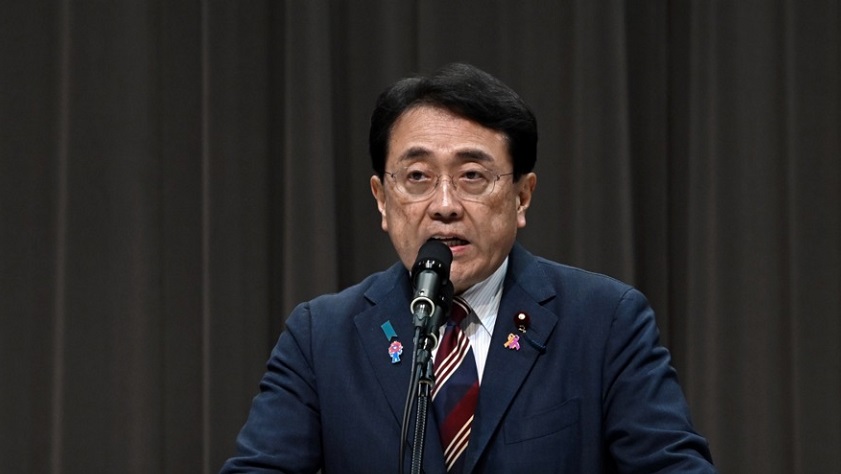
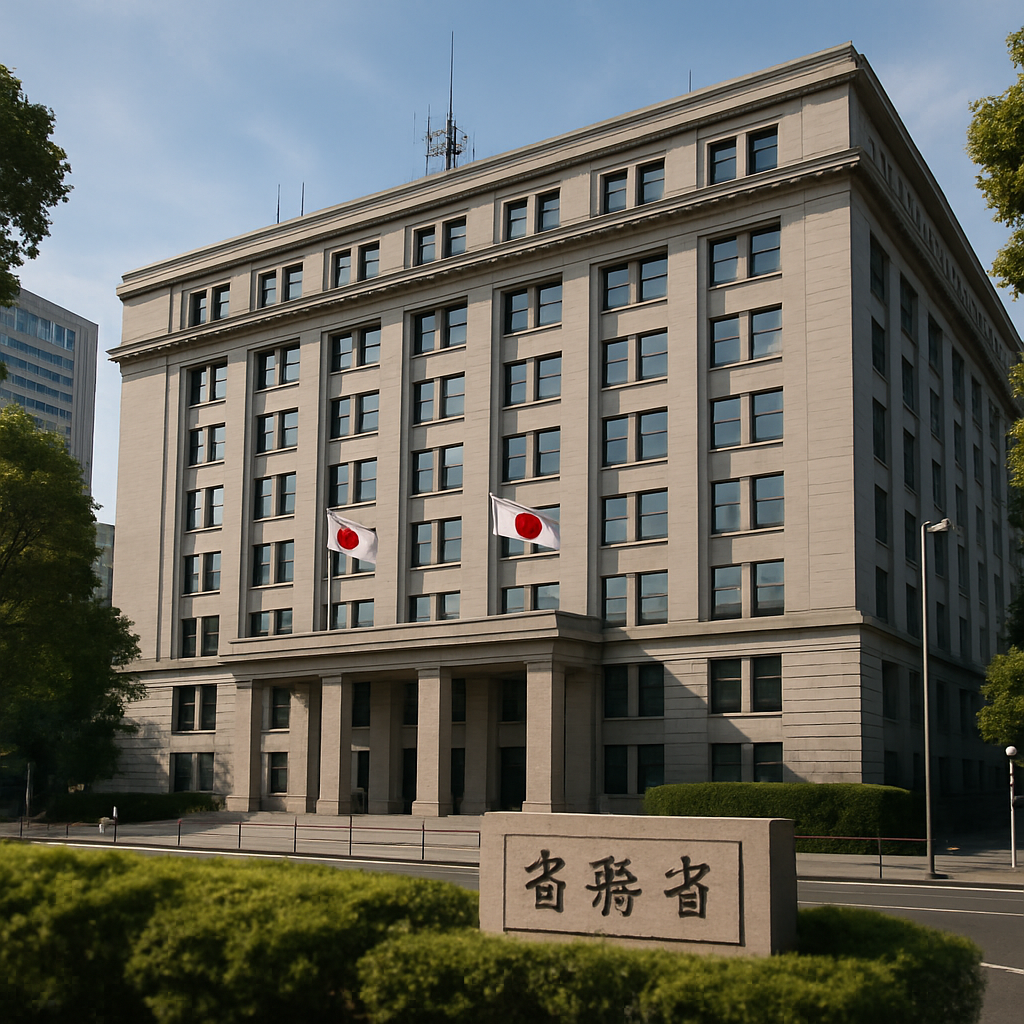
Japanese authorities have issued a statement clarifying that the country’s existing ban on aviation fuel exports to Russia encompasses shipments routed through third-party nations. This clarification comes amid ongoing international efforts to maintain economic pressure on Moscow and close potential loopholes in the sanctions regime that has been in place since 2022. The announcement underscores Japan’s commitment to enforcing comprehensive restrictions and preventing circumvention of measures designed to limit Russia’s access to critical resources.
The Japanese government emphasized that its export control framework is designed to be comprehensive, covering not only direct shipments to Russia but also indirect routes that could potentially be used to bypass sanctions. This approach aligns with similar measures adopted by Western allies, who have increasingly focused on closing gaps in their sanctions architecture. Aviation fuel, classified as a strategic commodity due to its military applications, remains one of the most tightly controlled export items under international sanctions targeting Russia.
The clarification appears to address concerns about potential sanctions evasion through intermediary countries. Since the implementation of Western sanctions following Russia’s invasion of Ukraine in February 2022, there have been numerous reports of goods reaching Russia through neighboring countries and trading partners not bound by the same restrictions. Countries in Central Asia, the Caucasus region, and certain Middle Eastern nations have seen significant increases in their imports of sanctioned goods, raising suspicions about re-export activities. Japan’s explicit statement that third-country routes are covered represents an attempt to preemptively close this potential avenue for circumvention.
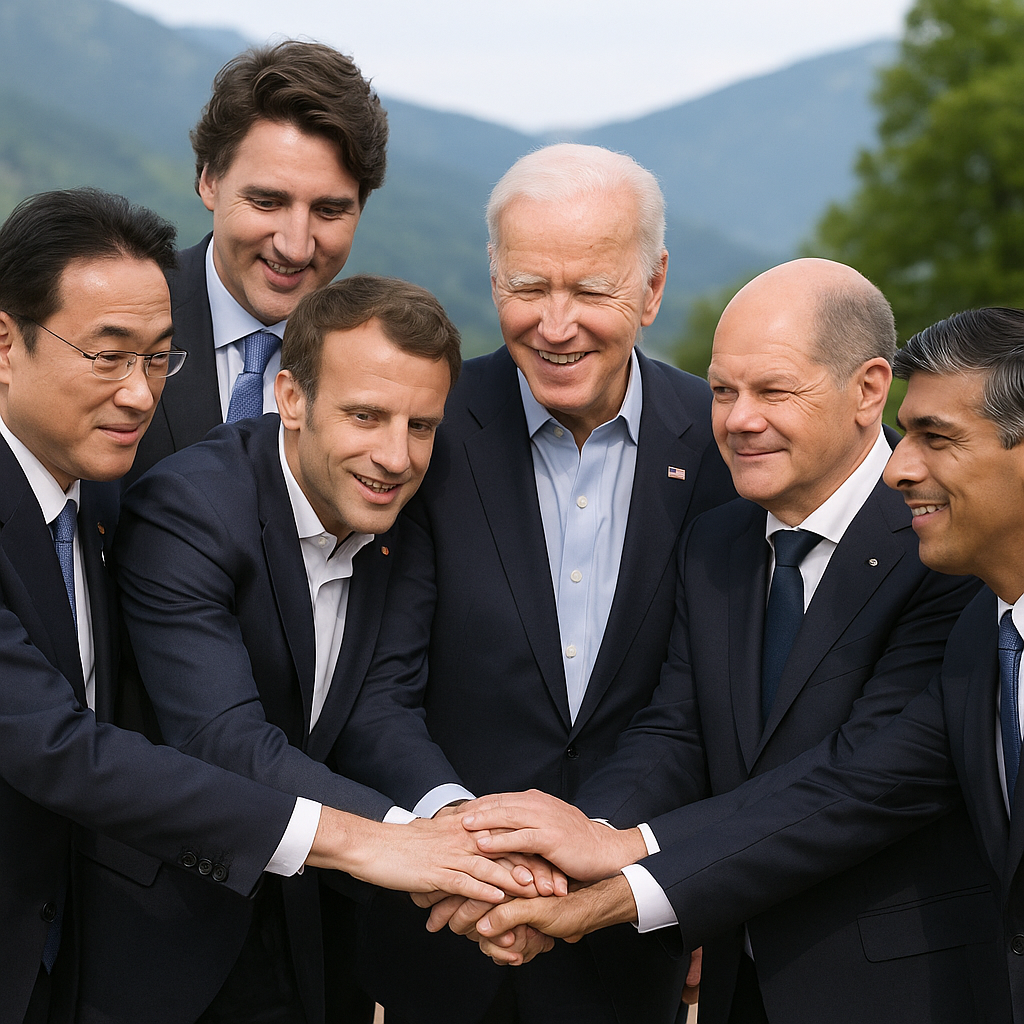
Japan has been a key participant in the international sanctions coalition since the beginning of the Ukraine conflict, joining the United States, European Union, United Kingdom, and other G7 partners in imposing sweeping economic restrictions on Russia. These measures have included bans on technology exports, financial sector restrictions, and prohibitions on various strategic commodities including petroleum products. Aviation fuel holds particular significance due to its dual-use nature – while essential for civilian aviation, it is equally critical for military aircraft operations, making its restriction a priority for nations seeking to limit Russia’s military capabilities.
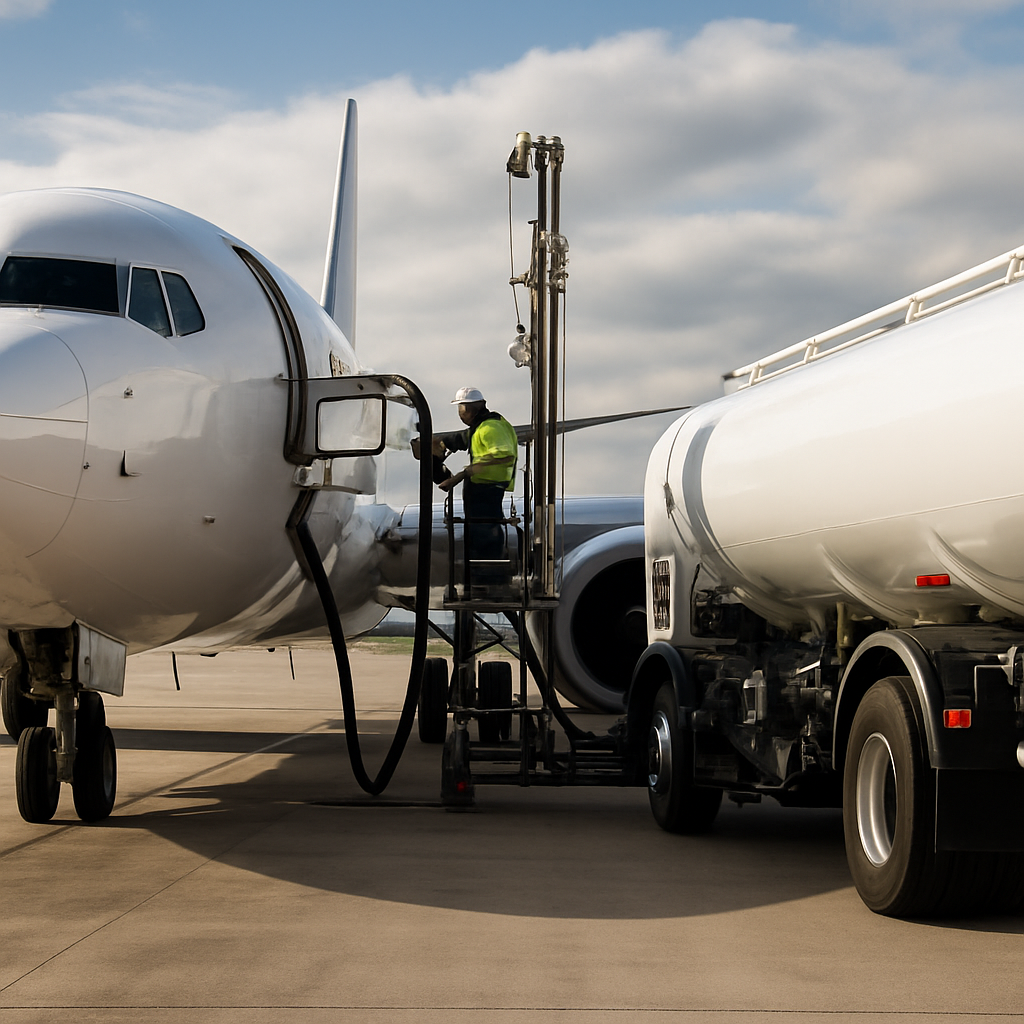
The global aviation fuel market has undergone significant shifts since the onset of sanctions. Russia, which previously imported substantial quantities of refined petroleum products from various international suppliers, has been forced to adapt its supply chains and increase domestic production capacity. However, industry analysts note that producing high-quality aviation fuel requires sophisticated refining technology and specific crude oil blends, presenting ongoing challenges for Russia’s energy sector. The quality requirements for jet fuel are particularly stringent, as substandard products can pose serious safety risks to aircraft operations.
Japan’s energy and trade policies have historically balanced economic interests with security considerations, particularly given the country’s geographical proximity to Russia. The two nations share disputed territorial claims over the Kuril Islands, known in Japan as the Northern Territories, which has complicated bilateral relations for decades. Despite these tensions, Japan had maintained significant economic ties with Russia prior to 2022, including energy imports and various trade relationships. The current sanctions regime represents a fundamental shift in this approach, with Tokyo prioritizing alliance commitments over potential economic benefits from Russian trade.
Enforcement of export controls remains a complex challenge for all participating nations. Modern global supply chains involve numerous intermediaries, making it difficult to track the ultimate destination of goods. Japan has invested in strengthening its export control mechanisms, including enhanced documentation requirements and increased penalties for violations. Companies found to be circumventing sanctions face severe consequences, including criminal prosecution, substantial fines, and exclusion from government contracts. The explicit inclusion of third-country shipments in the prohibition serves as a clear warning to Japanese businesses that indirect exports will be treated with the same severity as direct violations.
As the international community continues to maintain pressure on Russia, the effectiveness of sanctions depends heavily on consistent enforcement and coordination among allied nations. Japan’s clarification regarding aviation fuel exports demonstrates the ongoing refinement of sanctions policies as governments identify and address potential weaknesses in their frameworks. With no immediate resolution to the underlying geopolitical conflict in sight, these economic measures are likely to remain in place for the foreseeable future, requiring continued vigilance from participating nations to ensure their effectiveness.