Ukrainian Business Owner Explains Why Current Market Conditions Make Company Sales Unfavorable
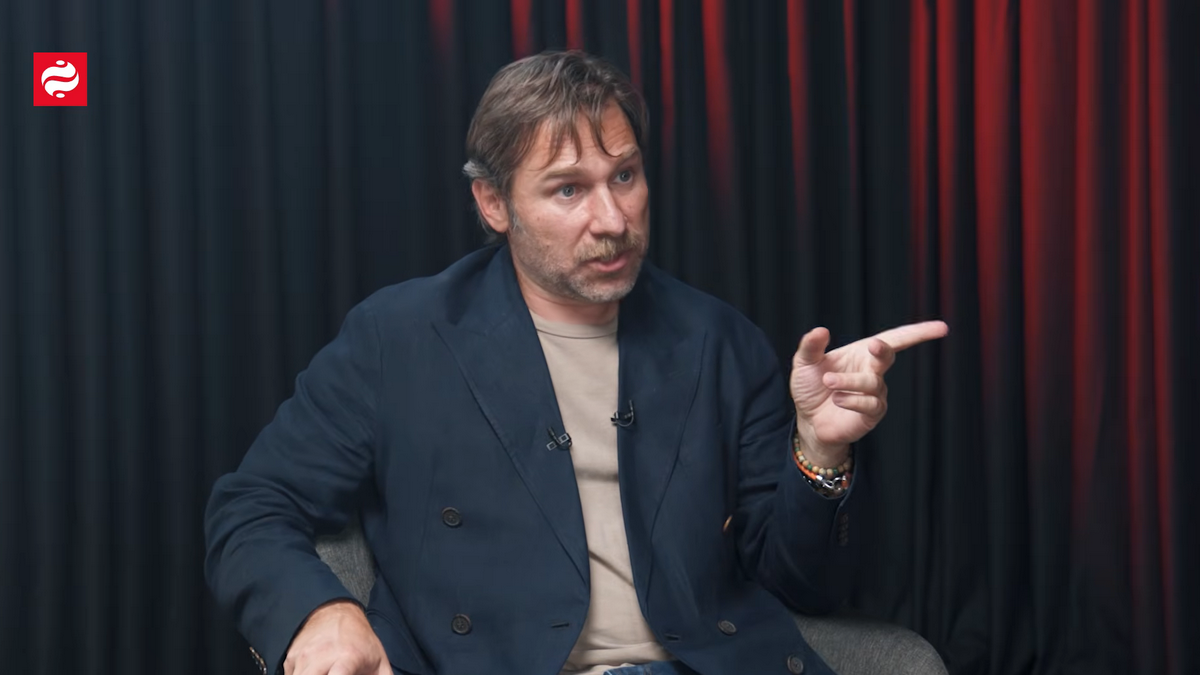
Rostyslav Vovk, the founder and owner of Kormotech, one of Ukraine’s largest pet food manufacturers based in Lviv, has spoken out about the challenging landscape facing Ukrainian businesses seeking potential buyers or investors. The prominent entrepreneur revealed that discount rates being demanded by potential acquirers in the fast-moving consumer goods (FMCG) sector have reached unprecedented levels, making the current period extremely unfavorable for business owners considering exit strategies or capital raising through equity sales.
According to Vovk, the valuation gap between what Ukrainian business owners believe their companies are worth and what buyers are willing to pay has widened dramatically since the full-scale invasion began in February 2022. The Lviv-based businessman emphasized that the discounts being applied to Ukrainian assets are so substantial that selling now would mean accepting a fraction of pre-war valuations, essentially giving away years of hard work and built-up enterprise value at fire-sale prices.
The Ukrainian FMCG sector has historically been an attractive target for international investors and strategic buyers, with the country’s population of over 40 million people representing a significant consumer market. Before the war, Ukraine’s food production and consumer goods industries were experiencing steady growth, with companies like Kormotech expanding their export capabilities and establishing presence in European markets. Kormotech itself has grown to become a regional leader in pet food manufacturing, producing brands that are sold across multiple countries and operating modern production facilities that meet European quality standards.
However, the ongoing conflict has fundamentally altered the risk calculus for potential investors. War-related uncertainties including infrastructure damage, supply chain disruptions, currency volatility, and questions about long-term security have all contributed to buyers demanding significant risk premiums. International private equity firms and strategic acquirers typically apply country risk adjustments to their valuation models, and Ukraine’s current situation has pushed these adjustments to extreme levels that many business owners find unacceptable.
The phenomenon Vovk describes is consistent with broader patterns observed in conflict-affected economies throughout history. During periods of heightened uncertainty, asset prices tend to compress significantly as buyers factor in worst-case scenarios, while sellers who have weathered the storm often prefer to hold onto their businesses rather than accept what they perceive as opportunistic lowball offers. This standoff between buyer and seller expectations can persist until either security conditions improve or economic necessity forces transactions at depressed valuations.
Financial analysts who study emerging markets note that Ukrainian businesses face a particularly complex situation. On one hand, companies that have managed to maintain operations during wartime have demonstrated remarkable resilience and adaptability, qualities that would normally command premium valuations. On the other hand, the fundamental uncertainties surrounding the conflict’s duration and outcome make traditional valuation methodologies difficult to apply. Discounted cash flow models, for instance, require assumptions about future revenue streams that are nearly impossible to project with confidence in the current environment.
Vovk’s comments also reflect a broader sentiment among Ukrainian entrepreneurs who have invested decades building their businesses and are reluctant to see that work undervalued due to circumstances beyond their control. Many business owners are choosing to focus on operational continuity and market share preservation rather than pursuing transactions that would crystallize losses. For companies like Kormotech that have established export channels and international brand recognition, the hope is that post-war recovery will eventually restore valuations to more reasonable levels, making patience the preferred strategy over accepting current market conditions.
The situation highlights the long-term economic challenges Ukraine will face even after hostilities cease. Rebuilding investor confidence and restoring normal capital market functioning will require not only security guarantees but also sustained economic stability and institutional reforms. Until then, Ukrainian business owners like Vovk appear prepared to weather the storm, maintaining their enterprises and waiting for a more favorable moment to consider strategic options that properly reflect the value they have created.