
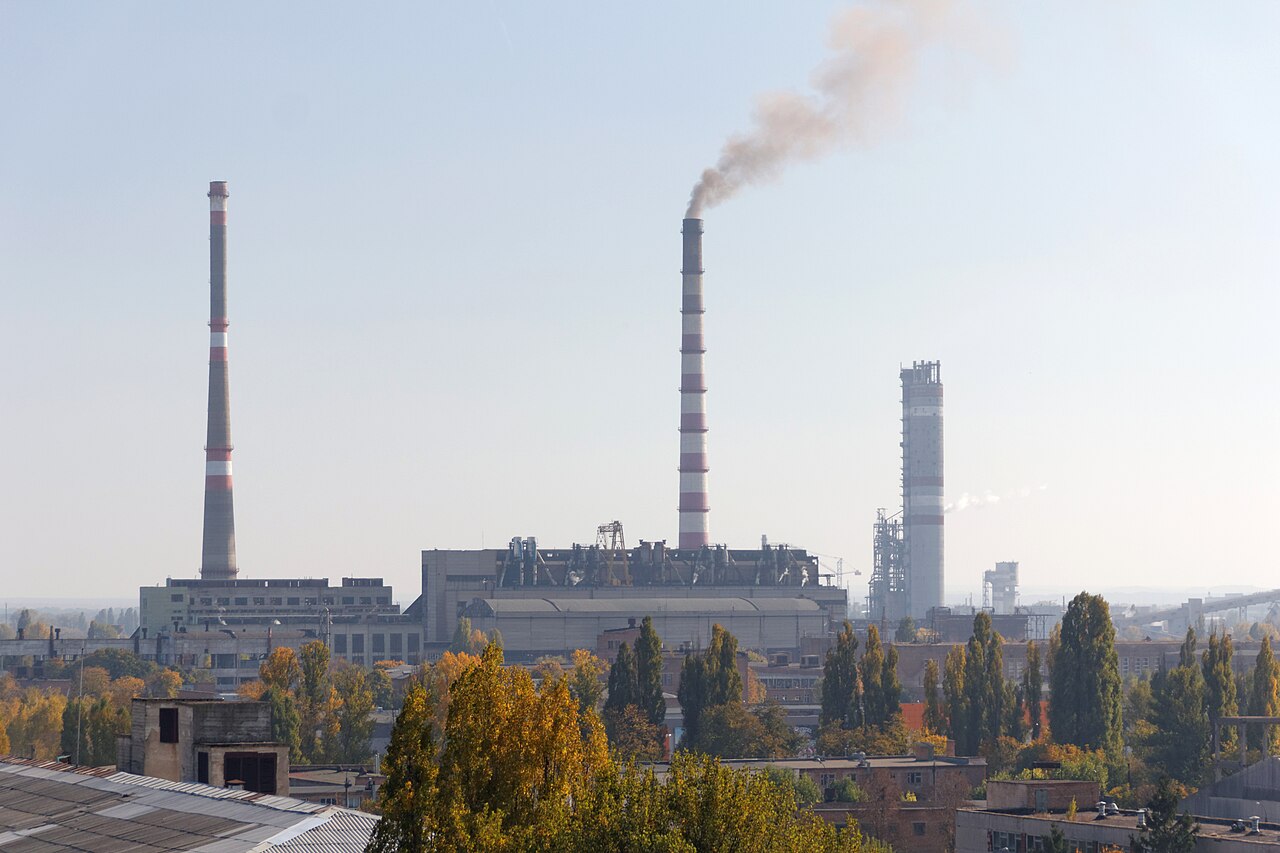
Cherkasy Power Plant Tenant Secures Debt Restructuring Plan to Avoid Bankruptcy
In a significant legal development for Ukraine’s energy sector, a Ukrainian court has approved a preventive restructuring plan for Cherkasy Khimvolokno, the company currently leasing the Cherkasy Thermal Power Plant (TPP). The decision, which grants the company controlled by businessman Anatoliy Shkriblyak a structured debt repayment schedule, effectively shields the enterprise from immediate bankruptcy proceedings and provides a lifeline for one of the region’s key energy facilities.
The restructuring agreement represents a critical turning point for the company, which has accumulated substantial debts amid Ukraine’s ongoing economic challenges. Under the court-approved plan, Cherkasy Khimvolokno will be permitted to repay its outstanding obligations over an extended period, rather than facing immediate liquidation or forced asset sales that typically accompany bankruptcy proceedings. This approach, known as preventive restructuring, has become increasingly common in European legal frameworks as a way to preserve viable businesses while ensuring creditors receive at least partial repayment.
Cherkasy Khimvolokno has a long and complex history in Ukraine’s industrial landscape. Originally established as a chemical fiber production facility during the Soviet era, the company has undergone numerous transformations over the decades. The enterprise became intertwined with energy production through its lease of the Cherkasy TPP, a thermal power station that plays a crucial role in providing electricity and heating to the Cherkasy region, which is home to approximately 1.2 million residents. The power plant’s continued operation is particularly vital given Ukraine’s energy infrastructure challenges, which have been severely exacerbated by the ongoing conflict.
Anatoliy Shkriblyak, the businessman behind Cherkasy Khimvolokno, has been a notable figure in Ukraine’s industrial and energy sectors for years. His companies have been involved in various aspects of chemical production and energy generation, though not without controversy. The current financial difficulties facing the company reflect broader challenges within Ukraine’s industrial sector, where enterprises have struggled with rising energy costs, supply chain disruptions, and the economic impacts of the war. Many Ukrainian businesses have sought similar restructuring arrangements as they attempt to navigate these unprecedented circumstances while maintaining operations and employment.
The preventive restructuring mechanism utilized in this case is based on legal frameworks that Ukraine has been developing in alignment with European Union standards. This approach prioritizes keeping companies operational when there is a reasonable prospect of recovery, rather than immediately dismantling them through bankruptcy. For creditors, such arrangements often result in better recovery rates than traditional liquidation proceedings, where assets are frequently sold at significant discounts. The court’s approval suggests that judges found the proposed repayment plan credible and likely to result in meaningful debt reduction over time.
Energy sector experts note that the restructuring decision carries implications beyond the immediate financial concerns of one company. The Cherkasy TPP is part of Ukraine’s broader thermal power generation network, which has faced unprecedented strain since Russia began systematically targeting energy infrastructure in late 2022. Keeping such facilities operational, even under financially distressed ownership, remains a national priority. The alternative—allowing the plant’s operator to collapse into bankruptcy—could potentially disrupt power generation and heating services for the entire region, particularly during the challenging winter months.
Looking ahead, the success of this restructuring will depend on Cherkasy Khimvolokno’s ability to generate sufficient revenue to meet the court-mandated repayment schedule while maintaining normal business operations. The company will likely face continued scrutiny from creditors and regulators as it attempts to fulfill its obligations. Industry observers will be watching closely to see whether this case sets a precedent for other struggling Ukrainian energy and industrial enterprises seeking similar arrangements. As Ukraine continues to balance wartime economic pressures with the need to maintain critical infrastructure, such restructuring mechanisms may become increasingly important tools for preserving industrial capacity while addressing legitimate creditor claims.