
Business Week in Review: US House Advances Sanctions, ATB Counts Losses, Silpo Expands Despite War Challenges
The past week in Ukrainian business has been marked by significant developments spanning international sanctions, domestic retail struggles, state asset privatization efforts, and an unexpected corporate scandal. As Ukraine continues to navigate the economic challenges posed by the ongoing Russian invasion, businesses across the country are adapting to new realities while international partners strengthen their support through legislative action.
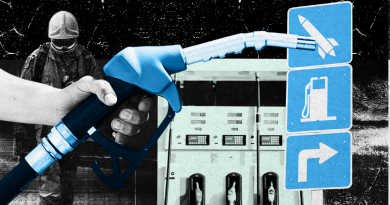
The United States House of Representatives moved forward with new sanctions packages targeting Russia, signaling continued Western commitment to economically isolating Moscow over its full-scale invasion of Ukraine. These measures build upon the extensive sanctions architecture established since February 2022, which has included asset freezes, export controls, and restrictions on Russian financial institutions. The latest legislative push aims to close remaining loopholes and target entities that have been facilitating sanctions evasion. Analysts note that comprehensive sanctions enforcement remains crucial, as Russian businesses have increasingly relied on third-country intermediaries to circumvent restrictions. The bipartisan support for these measures in Congress reflects the continued American political consensus on supporting Ukraine’s resistance efforts.
Ukraine’s largest discount retailer, ATB-Market, reported significant financial losses stemming from disrupted logistics operations. The company, which operates over 1,300 stores across Ukraine, has faced unprecedented challenges since the war began, including damaged distribution centers, complicated supply chains, and the loss of stores in occupied territories. Before the full-scale invasion, ATB was the undisputed leader in Ukrainian retail, known for its aggressive pricing strategy and extensive network reaching even small towns and villages. The company’s logistics infrastructure, once considered a competitive advantage, has required substantial reconstruction and adaptation to wartime conditions. Industry experts estimate that Ukrainian retailers collectively lost billions of hryvnias in infrastructure damage during the first months of the invasion, with recovery efforts ongoing.
In contrast to ATB’s struggles, competitor Silpo announced plans to open new stores, demonstrating remarkable resilience in Ukraine’s retail sector. The premium supermarket chain, owned by Fozzy Group, has been pursuing an aggressive expansion strategy despite the challenging business environment. Silpo is known for its innovative store concepts, including themed locations that transform grocery shopping into immersive experiences. The company’s willingness to invest in new locations reflects cautious optimism about Ukraine’s economic future and consumer spending potential. Retail analysts observe that some Ukrainian companies are viewing the current period as an opportunity to capture market share and strengthen their positions for the post-war recovery.
The Ukrainian government continued its privatization agenda, offering various state assets for sale to private investors. This initiative aligns with longstanding recommendations from international financial institutions and represents a key component of Ukraine’s economic reform program. The privatization process has gained new urgency as the government seeks additional revenue sources to supplement international aid and support wartime expenditures. However, selling state assets during an active conflict presents unique challenges, including difficulty in attracting foreign investors and establishing fair market valuations. Previous privatization waves in Ukraine have faced criticism over transparency concerns, prompting current authorities to emphasize improved oversight mechanisms and competitive bidding processes.
An unexpected corporate controversy emerged involving Zhyvchyk, a popular Ukrainian soft drink brand, creating social media buzz and drawing public attention. The scandal, while seemingly minor compared to wartime challenges, highlighted how consumer brands in Ukraine now operate under heightened public scrutiny regarding their corporate behavior, statements, and perceived patriotism. Since the invasion began, Ukrainian consumers have become increasingly conscious of supporting domestic brands and have organized boycotts against companies perceived as insufficiently supportive of the national effort. This shift in consumer behavior has created both opportunities for brands that successfully position themselves as patriotic and risks for those that make missteps in their public communications.
Looking ahead, Ukrainian businesses face a complex landscape of continued security challenges, infrastructure constraints, and economic uncertainty. However, the combination of international support through sanctions enforcement and financial assistance, combined with domestic entrepreneurial resilience, provides grounds for cautious optimism. The retail sector’s divergent fortunes – with some companies struggling while others expand – illustrates the uneven nature of Ukraine’s wartime economy. As the conflict continues, the adaptability and strategic decisions made by Ukrainian businesses will play a crucial role in maintaining economic stability and preparing for eventual reconstruction.