
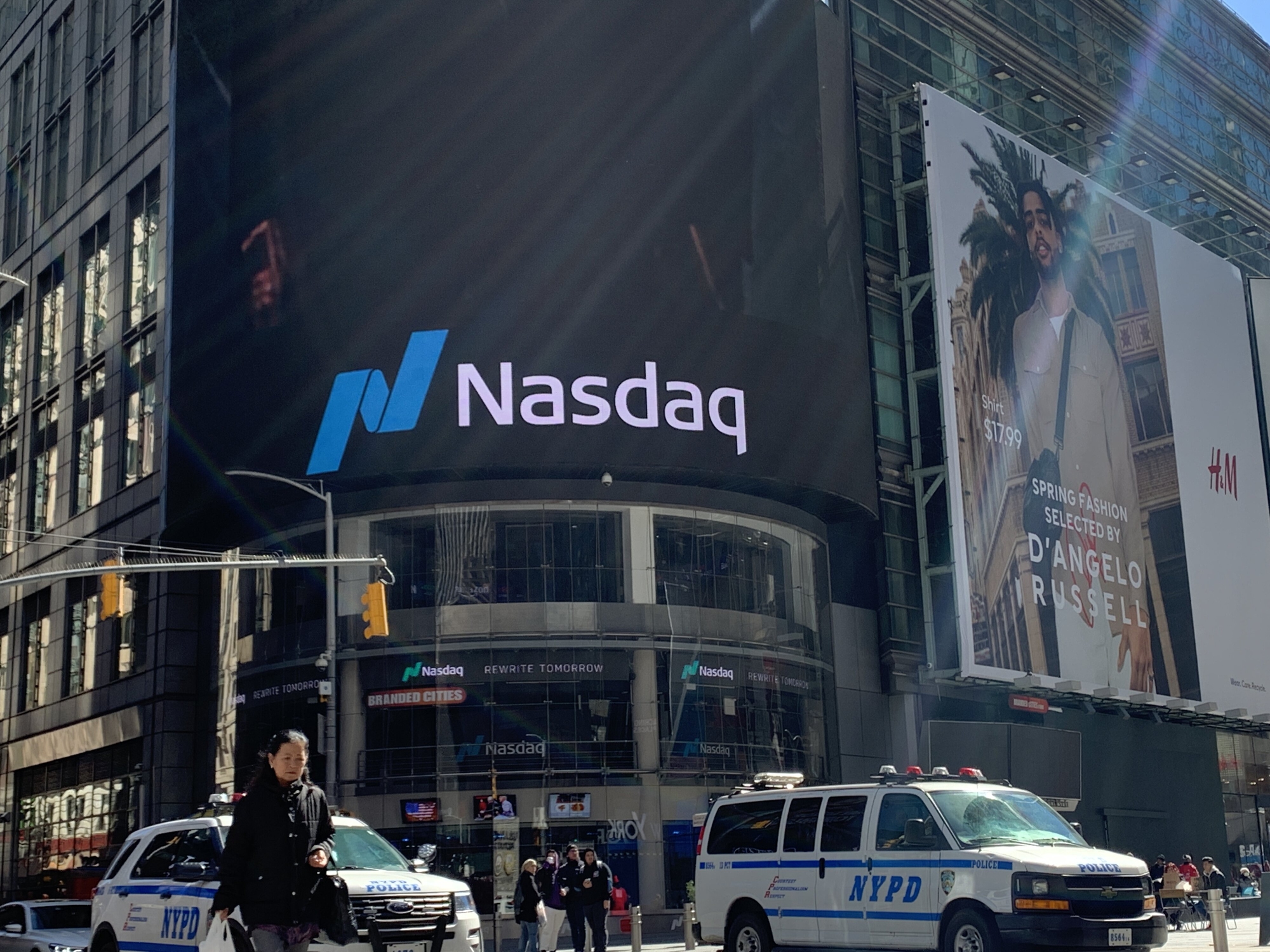
Nasdaq 100 Index Unexpectedly Plunges 5% in Sharpest Decline Since April 2025
The Nasdaq 100 index experienced a dramatic selloff on Tuesday, plummeting by 5% in what analysts are calling the most rapid decline since April 2025. The unexpected downturn sent shockwaves through financial markets as investors scrambled to reassess their positions amid growing concerns about potential interest rate hikes from the Federal Reserve. The tech-heavy index, which had been riding high on artificial intelligence optimism and strong corporate earnings throughout much of the year, saw billions of dollars in market capitalization evaporate within hours of trading.
The primary catalyst behind this steep correction appears to be profit-taking behavior among institutional and retail investors alike, triggered by mounting fears that the Federal Reserve may need to resume its aggressive monetary tightening cycle. Recent economic data showing persistent inflationary pressures has led market participants to recalibrate their expectations for interest rate policy. The Fed, which had paused rate hikes earlier in the year to assess the cumulative impact of previous increases, is now being viewed as potentially ready to act again if inflation remains stubbornly above the central bank’s 2% target.
Technology stocks bore the brunt of the selloff, with major companies including Apple, Microsoft, Nvidia, and Amazon all posting significant losses. The semiconductor sector was particularly hard hit, as investors questioned whether the artificial intelligence boom that had propelled valuations to historic highs could withstand a higher interest rate environment. Higher rates typically put pressure on growth stocks because they reduce the present value of future earnings, making high-multiple tech companies less attractive compared to value stocks and fixed-income investments. Nvidia alone saw its market capitalization shrink by over $100 billion during the trading session.
Historical context provides important perspective on this market turbulence. The Nasdaq 100 has experienced several significant corrections over the past few years, including the COVID-19 crash of March 2020 and the brutal bear market of 2022 when the index fell over 30% as the Federal Reserve embarked on its most aggressive rate-hiking campaign in four decades. The index had recovered strongly since then, more than doubling from its 2022 lows, which made some analysts warn that valuations had become stretched. Price-to-earnings ratios for many tech giants had climbed well above historical averages, leaving them vulnerable to exactly the kind of correction witnessed today.
Market strategists and economists offered varying interpretations of the sudden downturn. Some view it as a healthy correction that will ultimately create better buying opportunities for long-term investors, while others express concern that it could mark the beginning of a more prolonged period of volatility. The VIX volatility index, often referred to as the market’s fear gauge, spiked by over 40% during the session, reflecting heightened uncertainty among traders. Bond yields also moved sharply higher, with the 10-year Treasury yield approaching levels not seen in several months, further pressuring equity valuations across the board.
The global implications of the Nasdaq selloff were immediately apparent as futures markets in Asia and Europe pointed to lower openings. Technology stocks have become increasingly interconnected across international markets, and the Nasdaq 100’s composition includes many multinational corporations with significant overseas revenue exposure. European tech stocks were expected to face selling pressure, while Asian markets, particularly those with large semiconductor industries like Taiwan and South Korea, prepared for turbulent trading sessions. Currency markets also reacted, with the dollar strengthening against major currencies as investors sought safe-haven assets.
Looking ahead, investors will be closely monitoring upcoming Federal Reserve communications, including speeches from Chair Jerome Powell and other FOMC members, for any signals about the central bank’s policy intentions. The next inflation report will be particularly scrutinized, as it could either calm market fears or intensify concerns about further monetary tightening. Many portfolio managers are advising clients to maintain diversified positions and avoid panic selling, noting that market corrections, while uncomfortable, are a normal part of market cycles and often present opportunities for disciplined investors with long-term horizons.