
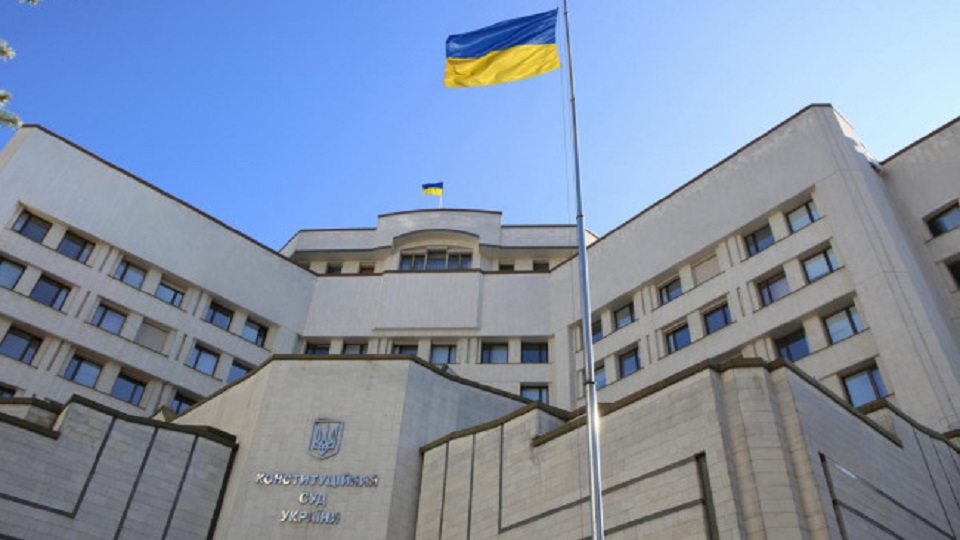
Constitutional Court of Ukraine Rules Wartime Paid Leave Restrictions Unconstitutional
In a landmark decision that reinforces workers’ rights during one of the most challenging periods in Ukraine’s modern history, the Constitutional Court of Ukraine has declared restrictions on paid leave during martial law to be unconstitutional. The ruling came in response to a petition filed by the Ukrainian Parliamentary Commissioner for Human Rights, commonly known as the ombudsman, who challenged the legality of wartime labor law amendments that significantly curtailed employee benefits.
The contested provisions were introduced shortly after Russia’s full-scale invasion began in February 2022, when the Ukrainian parliament hastily adopted a series of emergency measures aimed at maintaining economic stability and ensuring continuous operation of critical industries. Among these measures were amendments to the Labor Code that allowed employers to limit or postpone paid annual leave for employees, citing the extraordinary circumstances of martial law. The restrictions affected millions of Ukrainian workers who found themselves unable to take legally guaranteed time off despite enduring unprecedented levels of stress and psychological pressure.
The Constitutional Court’s decision represents a significant victory for labor rights advocates who have long argued that wartime conditions should not serve as a blanket justification for stripping workers of fundamental protections. Legal experts note that Ukraine’s Constitution guarantees the right to rest and leisure, including paid annual leave, as an inalienable social right that cannot be suspended even during states of emergency. The court emphasized that while certain restrictions may be necessary during martial law, they must be proportionate and cannot completely negate constitutional guarantees.
The ombudsman’s petition highlighted numerous cases where employees, particularly in the public sector and essential industries, were denied leave for extended periods, sometimes exceeding two years. Healthcare workers, educators, and civil servants were among the most affected categories, with many reporting severe burnout and deteriorating mental health. International labor organizations, including the International Labour Organization, had previously expressed concern about the erosion of workers’ rights in Ukraine, urging the government to find a balance between wartime necessities and fundamental labor protections.
Historical precedent shows that labor rights often face significant pressure during wartime, but democratic societies have generally sought to maintain basic protections even under extreme circumstances. During World War II, many European countries implemented temporary labor restrictions but preserved core rights such as paid leave, albeit in modified forms. Ukraine’s Constitution, adopted in 1996, was specifically designed to prevent the wholesale suspension of fundamental rights, reflecting lessons learned from the Soviet era when workers’ protections often existed only on paper.
The practical implications of this ruling are substantial. Employers who denied paid leave based on the now-invalidated provisions may face legal challenges and potential compensation claims from affected workers. The government will need to develop new guidelines that balance operational necessities during the ongoing conflict with constitutional obligations to protect workers’ rights. Legal analysts suggest that the decision may also prompt a broader review of other wartime restrictions that could potentially conflict with constitutional guarantees, including provisions affecting working hours, overtime compensation, and dismissal procedures.
Labor unions have welcomed the Constitutional Court’s decision, calling it a crucial step toward maintaining the rule of law and human dignity during wartime. Union representatives emphasized that exhausted workers are ultimately less productive and more prone to errors, making adequate rest periods not just a matter of rights but also of practical efficiency. As Ukraine continues to defend its sovereignty while simultaneously pursuing European Union membership, decisions like this one demonstrate the country’s commitment to upholding democratic values and human rights standards even under the most difficult circumstances. The ruling sets an important precedent for how democracies can navigate the complex tension between emergency powers and individual liberties.