Ukraine Allocates 3.5 Billion UAH for Urgent Repairs of Local Roads Through Co-Financing Program
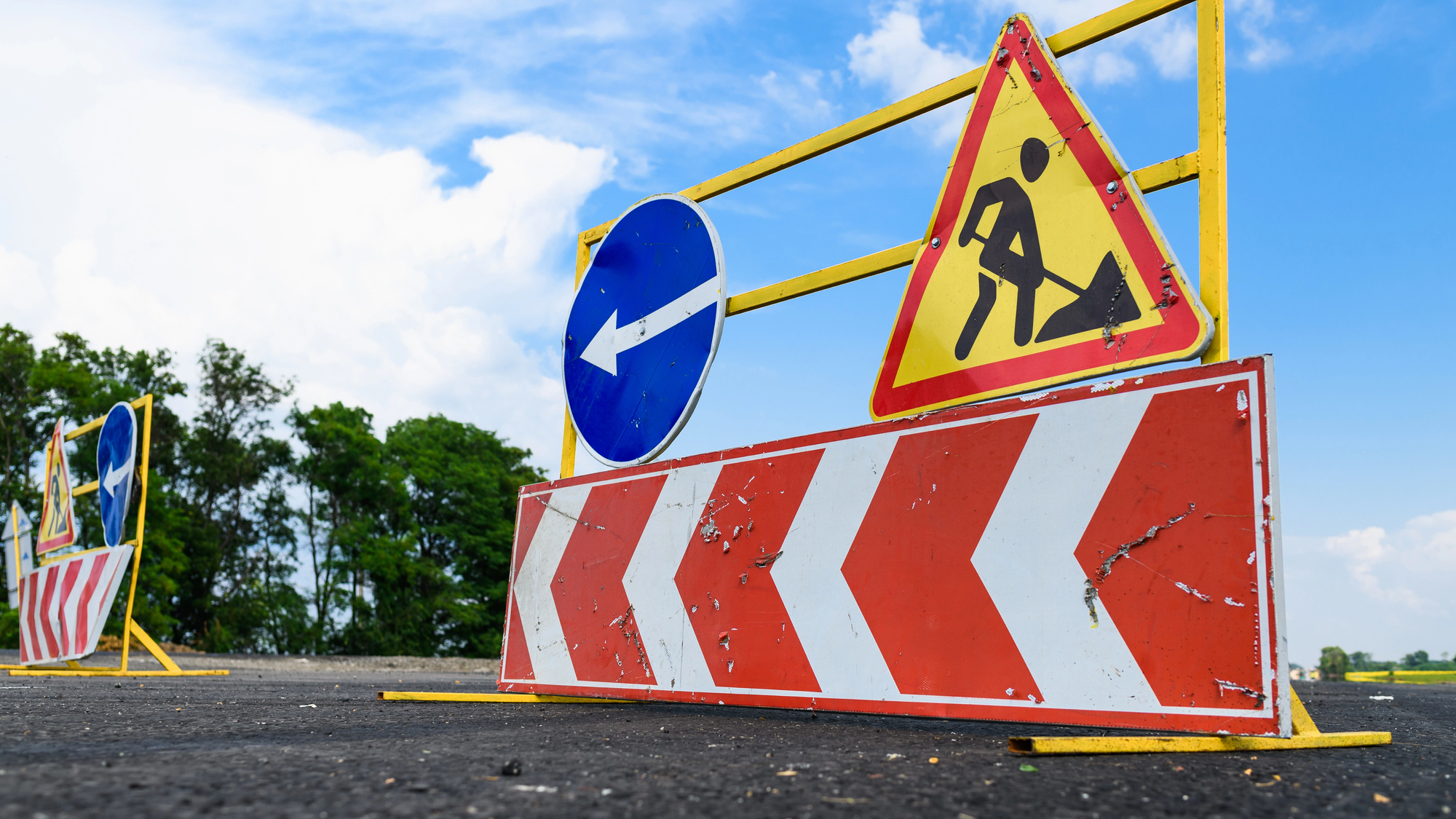
The Ukrainian government has announced a significant investment of 3.5 billion hryvnias for the urgent repair of local roads across the country. This substantial allocation targets the most critical sections of local road infrastructure that have deteriorated to dangerous conditions, implementing a co-financing model that requires participation from regional and local budgets. The initiative represents one of the largest single investments in local road maintenance in recent years, addressing a problem that has plagued Ukrainian communities for decades.
The co-financing approach adopted for this program reflects a strategic shift in how Ukraine manages its road infrastructure investments. Under this model, the central government provides the majority of funding while requiring regional authorities to contribute a portion of the costs. This methodology ensures that local administrations have a vested interest in the proper execution of repair works and subsequent maintenance of the improved road sections. The program prioritizes roads that serve essential community functions, including routes to schools, hospitals, agricultural enterprises, and connections between rural settlements and regional centers.
Ukraine’s road infrastructure has faced persistent challenges stemming from multiple factors. Years of underinvestment during economic downturns, harsh winter conditions that cause significant surface degradation, and heavy agricultural traffic have all contributed to the deterioration of local road networks. According to various estimates, a significant percentage of local roads across Ukrainian regions fail to meet minimum safety and quality standards. The ongoing conflict has further complicated maintenance efforts, as resources have been redirected to defense needs and reconstruction of war-damaged infrastructure in frontline and liberated territories.
The selection of road sections for this emergency repair program involves a comprehensive assessment process conducted by regional road administrations in coordination with local authorities. Priority is given to roads with the highest traffic volumes, those serving critical social infrastructure, and sections where surface conditions pose immediate safety hazards to motorists and pedestrians. Engineers evaluate pavement degradation, drainage functionality, road markings, and structural integrity of bridges and overpasses within the local road system. This systematic approach ensures that limited resources address the most pressing needs first.
The co-financing mechanism has proven effective in previous Ukrainian road programs, notably the successful “Large Construction” initiative that transformed thousands of kilometers of highways across the country before the full-scale invasion in 2022. That program demonstrated that shared financial responsibility between different levels of government creates accountability and improves project outcomes. Local officials who commit their budget resources are more likely to monitor construction quality and demand adherence to technical specifications. The current program builds on lessons learned from these earlier experiences, incorporating enhanced oversight procedures and transparent reporting requirements.
Road infrastructure investment delivers substantial economic returns beyond immediate transportation improvements. Studies conducted by international development organizations estimate that each hryvnia invested in road maintenance generates multiple hryvnias in economic activity through reduced vehicle operating costs, decreased travel times, lower accident rates, and improved market access for agricultural producers. For rural communities in particular, quality road connections are essential for economic development, enabling farmers to transport produce to markets and attracting investment in processing and storage facilities. The 3.5 billion hryvnia allocation thus represents not merely infrastructure spending but a catalyst for broader economic recovery.
Implementation of the repair program will unfold across multiple construction seasons, with initial works focusing on emergency interventions at the most hazardous locations. Road repair contractors across Ukraine will compete for tenders through the ProZorro electronic procurement system, which provides transparency and competitive pricing for public contracts. Quality control measures include independent laboratory testing of materials, regular inspections by supervisory engineers, and post-completion monitoring periods during which contractors remain responsible for addressing any defects. These safeguards help ensure that public funds deliver lasting improvements rather than temporary fixes that require repeated repairs.
The announcement of this funding comes at a critical time for Ukrainian communities working to maintain normalcy amid ongoing challenges. Local roads form the capillaries of the national transportation system, connecting citizens to essential services and economic opportunities. While major highways receive more attention in national discourse, the local road network directly impacts the daily lives of millions of Ukrainians in smaller cities, towns, and villages. The government’s commitment to addressing this infrastructure gap demonstrates recognition that national resilience depends on the functionality of local systems, and that investing in communities strengthens the entire country’s capacity to weather current difficulties while building foundations for future prosperity.