
Shell Prepares Sale of Offshore Wind Farms in Deal Worth Over $1 Billion
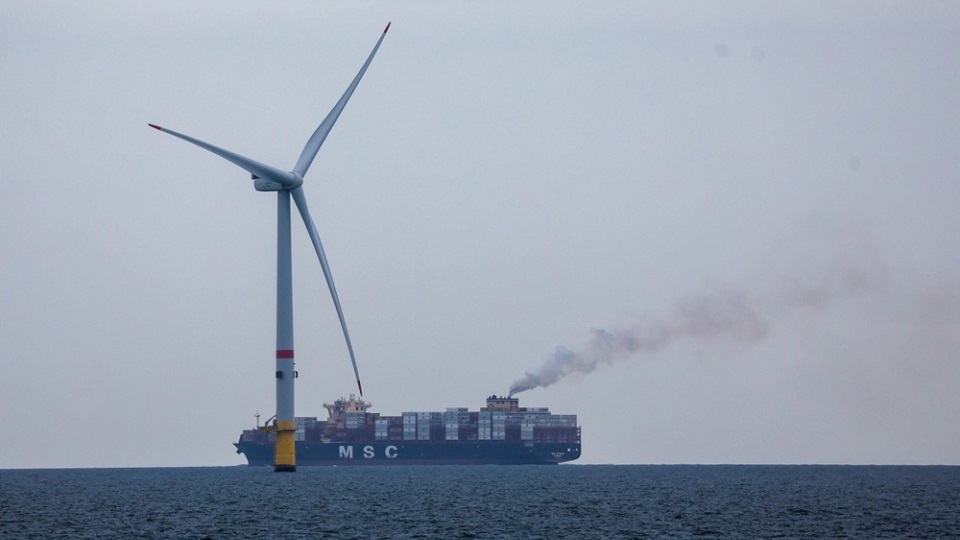
British energy giant Shell is reportedly preparing to sell its offshore wind farm assets in a transaction that could exceed $1 billion, according to Bloomberg. This move represents the latest step in the company’s ongoing strategic pivot away from renewable energy investments, as the oil and gas major refocuses its business priorities under pressure from shareholders demanding higher returns and improved profitability in its core fossil fuel operations.
The potential divestiture signals a significant shift in Shell’s approach to the energy transition, which just a few years ago saw the company positioning itself as a leader in the move toward cleaner energy sources. The offshore wind assets under consideration for sale are part of a broader portfolio that Shell had been building as part of its commitment to achieving net-zero emissions by 2050. However, the economic realities of renewable energy development, combined with the sustained profitability of oil and gas operations, have prompted a fundamental reassessment of these ambitions.
Shell’s retreat from wind energy follows a pattern that has emerged across the traditional energy sector in recent months. The company had previously announced plans to scale back its investments in renewable power generation, citing the need to deliver stronger returns to investors. Under the leadership of CEO Wael Sawan, who took the helm in January 2023, Shell has increasingly emphasized financial discipline and shareholder value over ambitious climate targets. This approach has drawn criticism from environmental groups but has been welcomed by investors who had grown frustrated with the lower margins typically associated with renewable energy projects compared to upstream oil and gas production.
The offshore wind industry, while experiencing rapid growth globally, has faced significant headwinds in recent years. Rising interest rates have dramatically increased the cost of financing large-scale infrastructure projects, while supply chain disruptions and inflation have pushed construction costs substantially higher than initial estimates. Several major developers have been forced to renegotiate or even abandon projects that were awarded contracts at prices that are no longer economically viable. In the United States alone, offshore wind developers have sought to cancel or renegotiate power purchase agreements worth billions of dollars, citing cost increases of 30 to 50 percent above original projections.
The sale of these wind assets would mark a stark contrast to Shell’s position just a few years ago, when the company was actively expanding its renewable energy portfolio through acquisitions and joint ventures. In 2021, Shell acquired the European renewable power business of ENEL for approximately $1.6 billion and had been investing heavily in solar, wind, and battery storage technologies. The company had set ambitious targets for its power division, aiming to become one of the world’s largest electricity providers by the end of the decade. However, these plans have been progressively scaled back as the economic calculus has shifted in favor of traditional energy sources.
Industry analysts note that Shell’s decision reflects broader challenges facing the energy transition. While the long-term trajectory toward cleaner energy sources remains intact, the path to profitability for many renewable projects has proven more difficult than anticipated. The offshore wind sector, in particular, requires massive upfront capital investments and faces unique technical challenges related to construction, maintenance, and grid connection in marine environments. For integrated oil companies like Shell, which can deploy capital across a wide range of opportunities, the risk-adjusted returns from wind projects have struggled to compete with those available in oil and gas exploration and production.
Environmental advocates have expressed disappointment at Shell’s continued retreat from renewable energy, arguing that major oil companies have both the financial resources and the moral obligation to accelerate the energy transition. Critics point out that despite record profits in recent years, driven largely by elevated oil and gas prices following Russia’s invasion of Ukraine, Shell and its peers have chosen to return cash to shareholders through buybacks and dividends rather than invest more aggressively in clean energy technologies. This approach, they argue, is incompatible with the urgent action needed to address climate change and meet the goals established under the Paris Agreement.
The potential buyers for Shell’s offshore wind assets could include dedicated renewable energy companies, infrastructure funds, or sovereign wealth funds seeking long-term stable returns. Such assets have attracted significant interest from institutional investors looking to build portfolios aligned with environmental, social, and governance criteria. The final sale price and the identity of the buyers will provide important signals about the current valuation of offshore wind assets and the appetite for such investments in the current economic environment. As Shell continues to reshape its portfolio, the broader energy industry will be watching closely to see whether other major oil companies follow a similar path or choose to maintain their commitments to renewable energy development.