
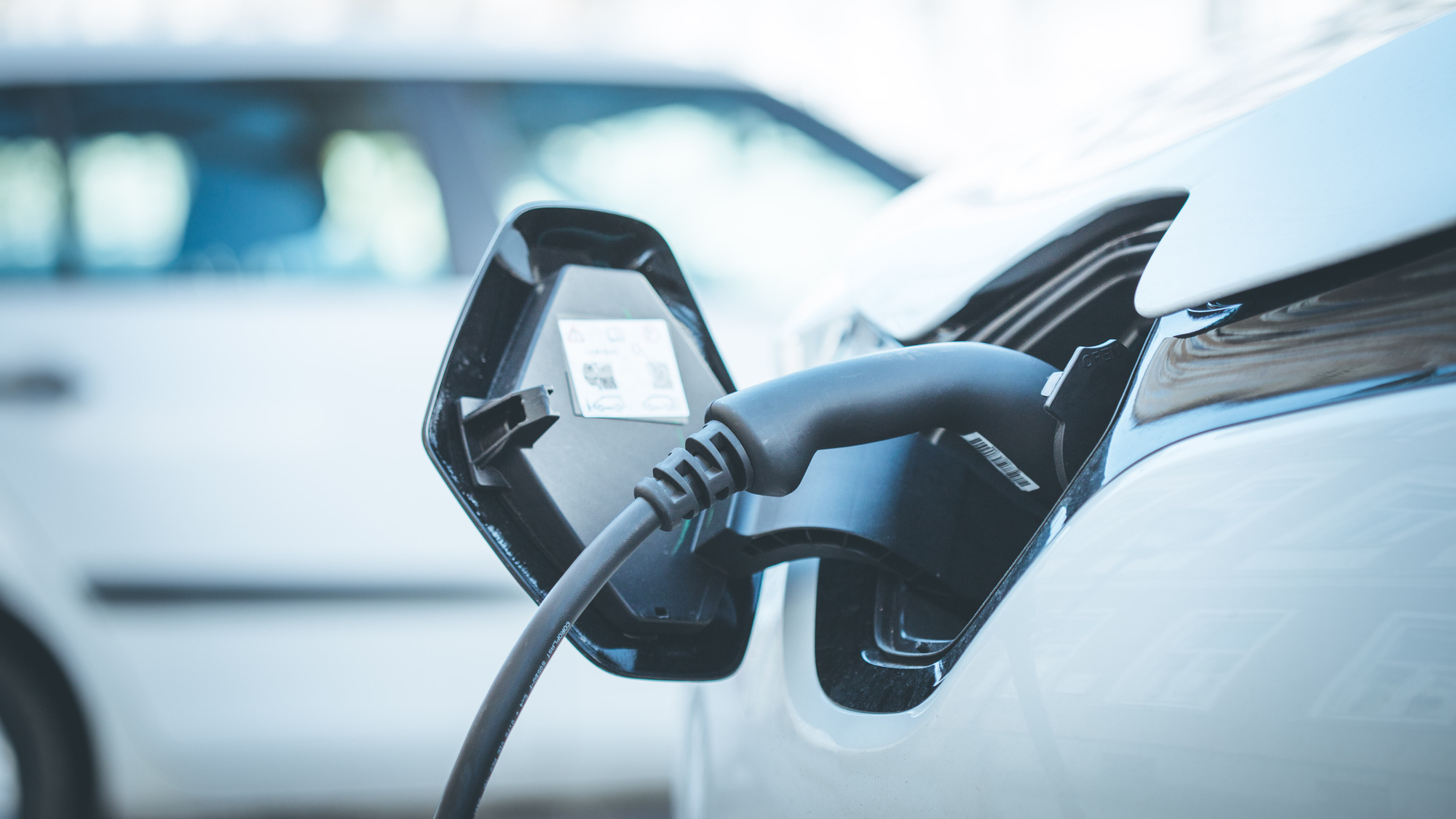
Kyiv City Administration Preparing 6,500 Locations for Electric Vehicle Charging Stations
The Kyiv City State Administration (KCSA) has announced ambitious plans to develop electric vehicle infrastructure across Ukraine’s capital, with preparations underway to establish approximately 6,500 locations for EV charging stations. This significant initiative represents one of the largest urban electrification projects in Eastern Europe and signals Kyiv’s commitment to sustainable transportation despite the ongoing challenges posed by the war.
According to city officials, the locations designated for charging station installations will be allocated to operators through transparent auction processes conducted on Prozorro.Sales, Ukraine’s official electronic procurement platform. This approach ensures fair competition among potential investors and operators while maximizing transparency in the allocation of valuable urban real estate for infrastructure development. The use of Prozorro, which has become a cornerstone of Ukraine’s anti-corruption efforts since its launch in 2016, demonstrates the administration’s commitment to conducting business openly and efficiently.
The initiative comes at a critical time for Ukraine’s automotive sector, which has seen a remarkable shift toward electric vehicles in recent years. Despite the ongoing conflict, EV adoption in Ukraine has continued to grow, driven by high fuel prices, environmental consciousness, and the availability of relatively affordable used electric vehicles imported from Europe. Statistics show that Ukraine has become one of the fastest-growing EV markets in the region, with tens of thousands of electric cars now registered in the country, a significant portion of which are concentrated in Kyiv.
The development of charging infrastructure has long been identified as a crucial bottleneck for wider EV adoption. Range anxiety – the fear of running out of battery power before reaching a charging point – remains one of the primary concerns preventing potential buyers from switching to electric vehicles. By dramatically expanding the network of available charging locations, Kyiv authorities aim to address this psychological barrier while also reducing practical inconveniences for current EV owners. The planned 6,500 locations would represent a substantial increase from the current infrastructure and would place Kyiv among the better-equipped European capitals for electric mobility.
Urban planners and transportation experts have noted that the success of such initiatives depends heavily on strategic placement of charging stations. Optimal locations typically include shopping centers, office buildings, residential complexes, public parking facilities, and along major transportation corridors. The KCSA’s comprehensive approach suggests that authorities have conducted detailed analyses of traffic patterns, residential density, and commercial activity to identify the most effective placement strategies. This data-driven methodology aligns with best practices observed in cities like Amsterdam, Oslo, and London, which have successfully deployed extensive charging networks.
The financial model based on Prozorro auctions is expected to attract both domestic and international investors interested in Ukraine’s growing EV market. Companies specializing in charging infrastructure have shown increasing interest in Eastern European markets, viewing them as opportunities for expansion as Western European markets become more saturated. The auction system allows the market to determine fair prices for location rights while ensuring that the city generates revenue that can be reinvested in further infrastructure improvements. Industry analysts suggest that successful implementation could generate significant economic activity and create jobs in installation, maintenance, and related services.
Looking ahead, the project aligns with broader European Union initiatives promoting zero-emission transportation and could strengthen Ukraine’s position in future EU integration discussions. The European Green Deal and associated regulations are pushing for dramatic reductions in transportation-related emissions, and countries demonstrating proactive infrastructure development may find themselves better positioned for economic partnerships and funding opportunities. For Kyiv residents and visitors, the expanded charging network promises greater convenience and could accelerate the transition away from conventional vehicles, contributing to improved air quality and reduced noise pollution in the historic capital city.