
Ukraine Considers Tax-Free Investment Income for Individual Investors to Boost Capital Markets
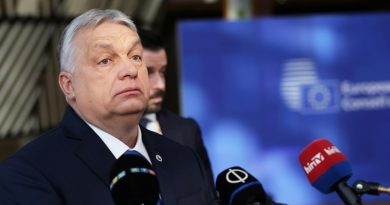
A significant legislative initiative has been introduced in Ukraine’s Verkhovna Rada that could fundamentally transform the country’s investment landscape. Member of Parliament Danylo Hetmantsev, who chairs the influential Committee on Finance, Tax and Customs Policy, has registered a draft law proposing a special tax regime for Ukrainian citizens who invest in financial instruments. The initiative aims to eliminate taxation on investment income for individual investors, potentially making Ukraine more competitive in attracting domestic capital to its securities markets.
The proposed legislation represents a strategic attempt to stimulate the development of Ukraine’s capital markets, which have historically lagged behind those of neighboring European countries. Under current Ukrainian tax law, individual investors are subject to personal income tax on dividends, capital gains from securities trading, and other investment returns. This tax burden has been cited as one of several factors discouraging ordinary Ukrainians from participating in the stock market and other investment opportunities. By removing these fiscal barriers, lawmakers hope to unlock significant amounts of private savings that currently sit idle in bank accounts or flow into less productive assets.
The timing of this legislative proposal is particularly noteworthy given Ukraine’s current economic challenges amid the ongoing conflict with Russia. Despite the war, Ukrainian authorities have been working to maintain economic stability and lay the groundwork for post-war recovery. Developing robust capital markets is seen as essential for this recovery, as it would provide Ukrainian businesses with alternative sources of financing beyond traditional bank lending. A thriving investment culture could also help reduce the country’s dependence on foreign aid and international financial institutions by mobilizing domestic resources more effectively.
Hetmantsev’s proposal aligns with broader European trends toward creating more favorable conditions for retail investors. Several EU member states have implemented various tax incentives to encourage individual participation in capital markets, including tax-advantaged savings accounts and reduced rates on long-term investments. Poland, for example, has successfully used tax incentives to boost participation in its pension funds and stock market, providing a potential model for Ukraine as it seeks closer economic integration with the European Union following its candidate status approval in 2022.
Financial experts have long argued that Ukraine’s capital markets remain significantly underdeveloped relative to the country’s economic potential. The total market capitalization of the Ukrainian stock exchange represents only a fraction of the country’s GDP, compared to much higher ratios in developed economies. This underdevelopment stems from multiple factors, including a lack of investor confidence following past financial crises, limited financial literacy among the population, and regulatory frameworks that have historically favored large institutional players over individual investors. The tax exemption could address one piece of this complex puzzle.
Critics of such tax incentives typically argue that they primarily benefit wealthy individuals who have the resources to invest, potentially exacerbating economic inequality. However, proponents counter that a growing investor class can drive broader economic development, create pressure for better corporate governance, and give ordinary citizens a stake in the country’s economic success. The key, experts suggest, lies in designing the legislation to be accessible to small investors while preventing abuse by wealthy individuals seeking to shelter income from taxation.
The draft law will need to pass through multiple readings in parliament and undergo scrutiny from various committees before it can become law. Given the current wartime conditions and competing legislative priorities, the timeline for consideration remains uncertain. Nevertheless, the initiative signals a forward-thinking approach to economic policy during an extremely challenging period for Ukraine. If enacted, the special tax regime could mark a significant shift in how Ukrainians interact with financial markets, potentially creating a new generation of domestic investors who will play a crucial role in funding the country’s reconstruction and long-term economic growth.