
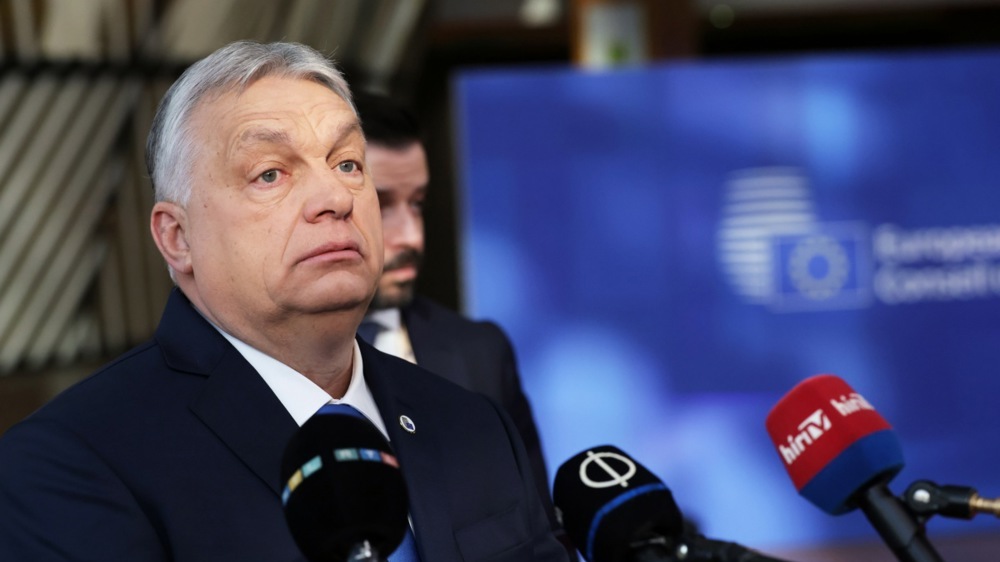
Orbán Personally Ordered Detention of Ukrainian Bank Couriers in Diplomatic Escalation Over Oil Transit Dispute
Hungarian Prime Minister Viktor Orbán personally initiated the detention of cash couriers from Ukraine’s state-owned Oschadbank in March 2025, according to investigative reporting by Hungarian news outlet Telex. The unprecedented move against Ukrainian financial personnel traveling through Hungary was allegedly motivated by Orbán’s belief that Kyiv was deliberately blocking the restoration of oil transit through the Druzhba pipeline, marking a significant escalation in the already strained relations between the two neighboring countries.
The detention of the Oschadbank employees sent shockwaves through diplomatic circles and highlighted the deteriorating relationship between Hungary and Ukraine, which has been complicated by multiple factors including the ongoing Russian invasion, energy politics, and disputes over the rights of the Hungarian minority in Ukraine’s Transcarpathian region. The incident represents one of the most direct confrontational actions taken by Budapest against Ukrainian interests since the full-scale war began in February 2022.
The Druzhba pipeline, whose name ironically means “Friendship” in Russian, has been a critical piece of European energy infrastructure since the Soviet era. Constructed in the 1960s, it remains one of the world’s longest oil pipeline networks, stretching over 5,500 kilometers and supplying crude oil from Russia to multiple European countries including Hungary, Slovakia, the Czech Republic, and Germany. Hungary has been particularly dependent on Russian oil delivered through this pipeline, with the country’s Százhalombatta refinery specifically configured to process the Urals crude oil blend that flows through Druzhba.
Ukraine halted the transit of Russian oil through the pipeline to Hungary and Slovakia in mid-2024, citing sanctions compliance and security concerns related to the ongoing conflict. The move created significant energy supply challenges for landlocked Hungary, which lacks direct access to alternative maritime oil delivery routes. While Slovakia and Hungary have both complained to the European Commission about the transit stoppage, Orbán’s government has been particularly vocal in its criticism, viewing the action as a deliberate provocation by Kyiv.
The Hungarian Prime Minister’s decision to personally order the detention of bank personnel represents an unusual escalation, as such matters would typically be handled through diplomatic channels or law enforcement agencies operating independently. Legal experts have raised concerns about the politicization of border enforcement and the potential violation of international norms regarding the treatment of foreign financial institution employees engaged in legitimate business activities. Oschadbank, as Ukraine’s largest state-owned bank with over 130 years of history, regularly conducts cross-border financial operations that require physical currency transport.
Relations between Budapest and Kyiv have been fraught with tension for years, even before the Russian invasion. Hungary has repeatedly blocked or delayed EU and NATO initiatives aimed at supporting Ukraine, citing concerns about the treatment of the approximately 150,000 ethnic Hungarians living in Ukraine’s western Transcarpathian region. Budapest has objected to Ukrainian language laws that it claims discriminate against minority language education. Despite these disputes, Hungary has allowed refugees from Ukraine to cross its borders and has not completely severed diplomatic ties with Kyiv.
The incident also underscores the complex energy politics that continue to shape European responses to the Ukraine conflict. While most EU member states have dramatically reduced their dependence on Russian energy since 2022, Hungary has maintained closer energy ties with Moscow, securing exemptions from EU sanctions on Russian oil imports and continuing to pursue nuclear energy cooperation with Russia’s Rosatom at the Paks power plant. Critics argue that Hungary’s energy dependence gives Russia significant leverage over Budapest’s foreign policy positions.
As of the latest reports, the diplomatic fallout from the courier detention continues to unfold, with Ukrainian officials demanding explanations and the release of any detained personnel. The European Commission has been monitoring the situation, though it has limited authority to intervene in what Hungary characterizes as a domestic law enforcement matter. The incident serves as a stark reminder of how energy disputes can quickly escalate into broader diplomatic confrontations, particularly in the volatile context of Europe’s largest land war since World War II.