Ukraine’s Inflation Slows to 8.2% in May: Fruits and Transportation See Biggest Price Increases
Ukraine’s consumer price index showed encouraging signs of stabilization in May 2024, with annual inflation decelerating to 8.2 percent according to the latest data released by the State Statistics Service. This marks a continued trend of gradual price stabilization in the war-torn economy, which has faced unprecedented challenges since Russia’s full-scale invasion began in February 2022. The slowdown represents a significant improvement from the double-digit inflation rates that plagued the country throughout much of 2023, offering some relief to Ukrainian households struggling with the economic pressures of wartime conditions.
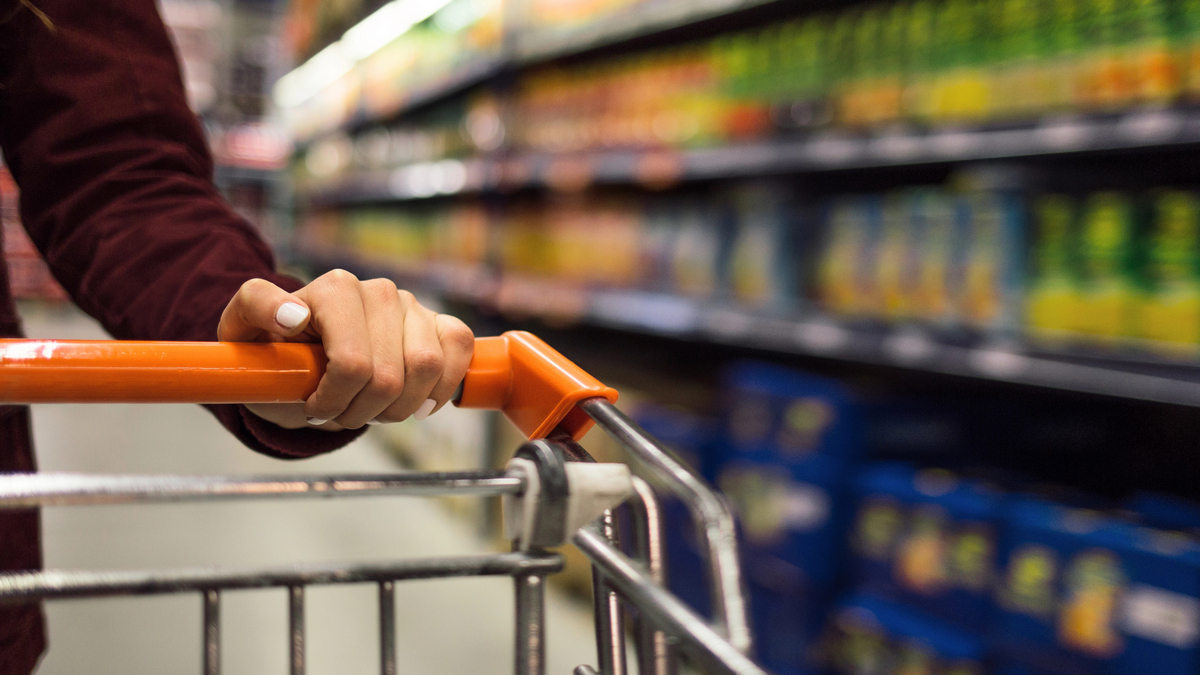
The monthly breakdown reveals that fresh fruits experienced the most dramatic price surge among all consumer goods categories. Seasonal factors combined with ongoing logistical challenges related to the conflict contributed to making fruits considerably more expensive for Ukrainian consumers. Agricultural supply chains remain disrupted in many regions, with farmers facing difficulties in transporting produce to markets, particularly from areas closer to active combat zones. The fruit market has been especially volatile, as Ukraine’s traditional growing regions in the south and east have been heavily affected by military operations, forcing greater reliance on imports and produce from western oblasts.
Public transportation costs also registered substantial increases during May, adding to the financial burden on daily commuters. Many Ukrainian cities have been forced to raise fares to cover increased operational expenses, including higher fuel costs and the need to maintain aging vehicle fleets under difficult circumstances. Municipal authorities across the country have struggled to balance the need for affordable public transit with the economic realities of wartime operations. Cities like Kyiv, Lviv, and Dnipro have all implemented fare adjustments in recent months, with officials citing rising maintenance costs and the need to ensure continued service reliability as primary justifications.
The broader context of Ukraine’s inflation trajectory provides important perspective on the current figures. At the height of the economic disruption in late 2022, inflation soared above 26 percent as the initial shock of the invasion sent prices spiraling across virtually all sectors. The National Bank of Ukraine responded with aggressive monetary policy measures, raising interest rates and implementing strict currency controls to stabilize the hryvnia and contain price growth. These measures, while painful for businesses and consumers in the short term, appear to be yielding results as inflation continues its gradual descent toward the central bank’s medium-term targets.
International financial support has played a crucial role in Ukraine’s economic stabilization efforts. The International Monetary Fund, World Bank, and bilateral donors from the United States, European Union, and other allies have provided tens of billions of dollars in assistance to help Ukraine maintain government operations and support its currency. This external financing has enabled Ukrainian authorities to avoid the hyperinflationary spiral that many economists initially feared could accompany a prolonged conflict. The continued flow of international aid remains essential for maintaining economic stability, with finance ministry officials regularly emphasizing the importance of sustained Western support.
Food prices overall have shown mixed trends, with some staples remaining relatively stable while others fluctuate based on seasonal availability and supply chain conditions. Ukrainian agriculture, despite the challenges of war, has demonstrated remarkable resilience, with farmers continuing to plant and harvest crops even in regions periodically affected by shelling. The country’s grain exports, facilitated by the Black Sea corridor and alternative land routes through Europe, have helped maintain foreign currency earnings that support overall economic stability. However, domestic food distribution remains complicated by infrastructure damage, fuel costs, and ongoing security concerns in certain areas.
Looking ahead, economists expect inflation to continue its gradual moderation through the remainder of 2024, though significant uncertainties remain tied to the course of the conflict and global commodity markets. The National Bank of Ukraine has indicated it may begin cautiously easing monetary policy if inflation trends continue favorably, which could provide some stimulus to the battered economy. However, officials remain vigilant about potential inflationary pressures, including energy costs heading into the winter heating season and the impact of continued Russian attacks on critical infrastructure. For ordinary Ukrainians, the modest improvement in inflation figures offers a small but meaningful respite, even as the broader challenges of life during wartime persist.