
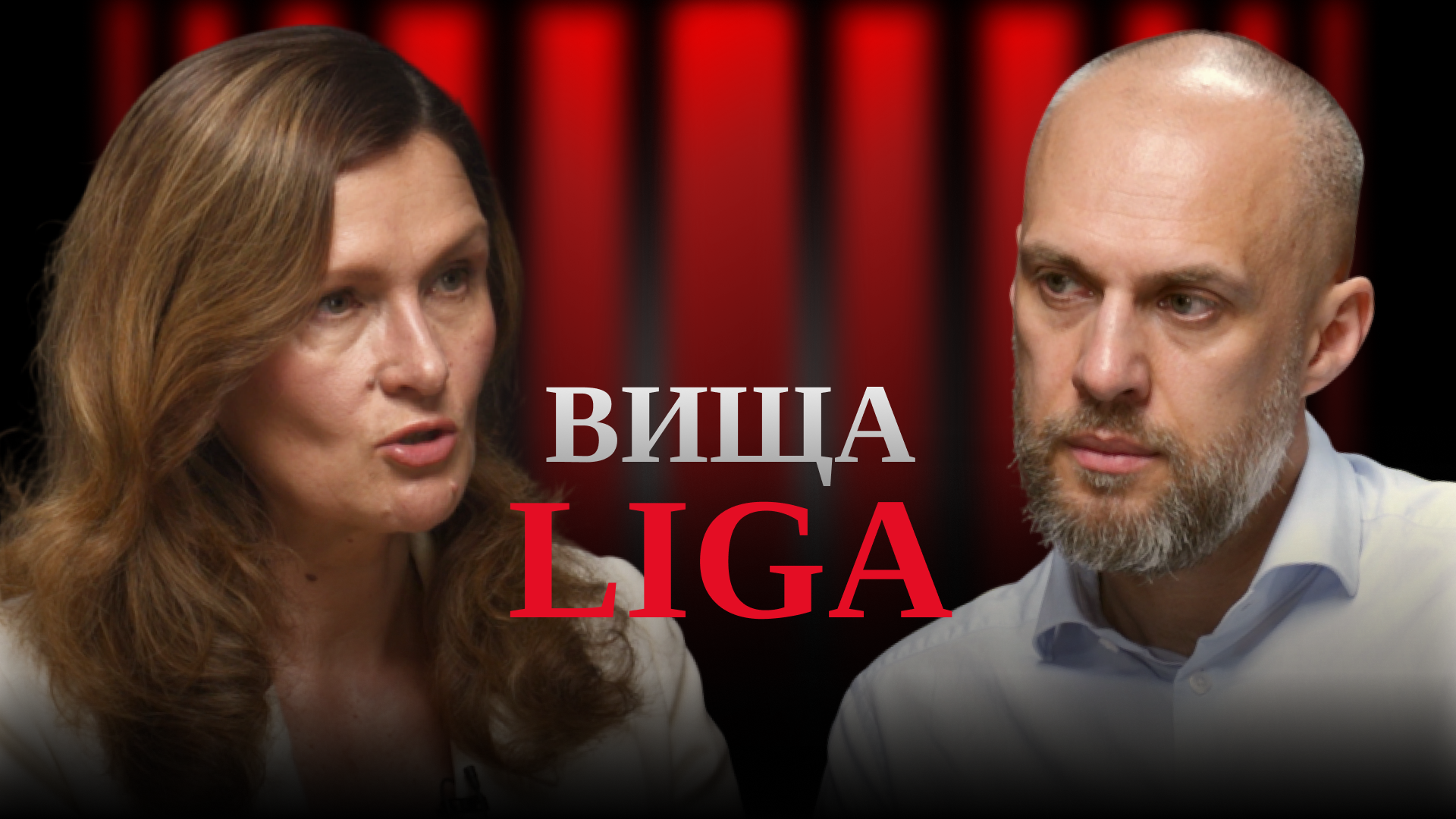
What’s Preventing Raiffeisen from a Swift Exit from Russia: Natalia Gurina Explains the Complex Reality
Natalia Gurina, the Chairperson of Raiffeisen Bank’s Management Board in Russia, has been navigating one of the most challenging periods in the history of international banking. As the head of one of the largest foreign banks still operating in Russia during the ongoing conflict in Ukraine, Gurina faces unprecedented pressure from multiple directions — Western regulators demanding withdrawal, Russian authorities restricting capital movement, and the practical realities of managing thousands of employees and millions of customers in a highly volatile environment.
Raiffeisen Bank International, headquartered in Vienna, Austria, has found itself in an extraordinarily difficult position since Russia launched its full-scale invasion of Ukraine in February 2022. The bank has repeatedly stated its intention to reduce its Russian operations, yet progress has been painfully slow. This delay has drawn criticism from European regulators, Ukrainian officials, and international observers who argue that continued operations in Russia help sustain the country’s economy during wartime. However, Gurina and the bank’s leadership maintain that the situation is far more complex than critics acknowledge.
The primary obstacles to a rapid exit stem from both Russian and European regulatory constraints. Russian authorities have implemented strict capital controls that effectively trap foreign companies’ assets within the country. Any significant transaction, including the sale of a major banking operation, requires approval from Russian government commissions that have shown little willingness to facilitate Western companies’ departures on favorable terms. The Kremlin has used these restrictions as leverage, reportedly seeking concessions or asset swaps that Western banks find unacceptable or potentially sanctions-violating.
From the European side, the European Central Bank has intensified its scrutiny of Raiffeisen’s Russian operations. The ECB has expressed concerns about reputational risks, potential sanctions violations, and the systemic implications of a European bank maintaining such significant exposure to Russia. In 2023 and 2024, the regulator increased pressure on Raiffeisen to accelerate its wind-down plans, while simultaneously restricting certain types of transactions that might have facilitated an exit. This creates a paradoxical situation where the bank faces pressure to leave but encounters regulatory barriers when attempting to do so.
Gurina has emphasized that responsible banking principles must guide any exit strategy. Raiffeisen Bank Russia employs thousands of staff and serves millions of retail and corporate customers. A chaotic or forced withdrawal could have devastating consequences for employees who would lose their livelihoods, customers who depend on banking services, and potentially the broader Russian financial system. The bank argues that it has already significantly reduced its risk exposure and stopped accepting new corporate clients from Russia while maintaining basic services for existing customers.
The career principles that Gurina credits for her rise to leadership — resilience, ethical decision-making, and long-term strategic thinking — are being tested like never before. She has spoken about the importance of maintaining institutional integrity even under extreme pressure, balancing competing stakeholder interests, and making decisions that can be defended regardless of political winds. Her leadership style emphasizes transparency with employees about the challenges ahead while protecting the organization’s operational stability.
Historical context reveals that Raiffeisen built its Russian presence over three decades, becoming one of the most successful foreign banks in the country. This deep integration cannot be unwound overnight. The bank processed significant cross-border payments that, while legal under existing sanctions frameworks, drew criticism for potentially facilitating Russian trade. Raiffeisen has since scaled back many of these services, but the reputational damage has been substantial. Looking forward, the bank’s experience serves as a cautionary tale for international financial institutions about the risks of deep engagement in politically volatile markets, where exit strategies may prove far more difficult to execute than entry strategies were to implement.