Polish E-Commerce Giant Allegro Tests Ukrainian Market Entry: What It Means for Local Players
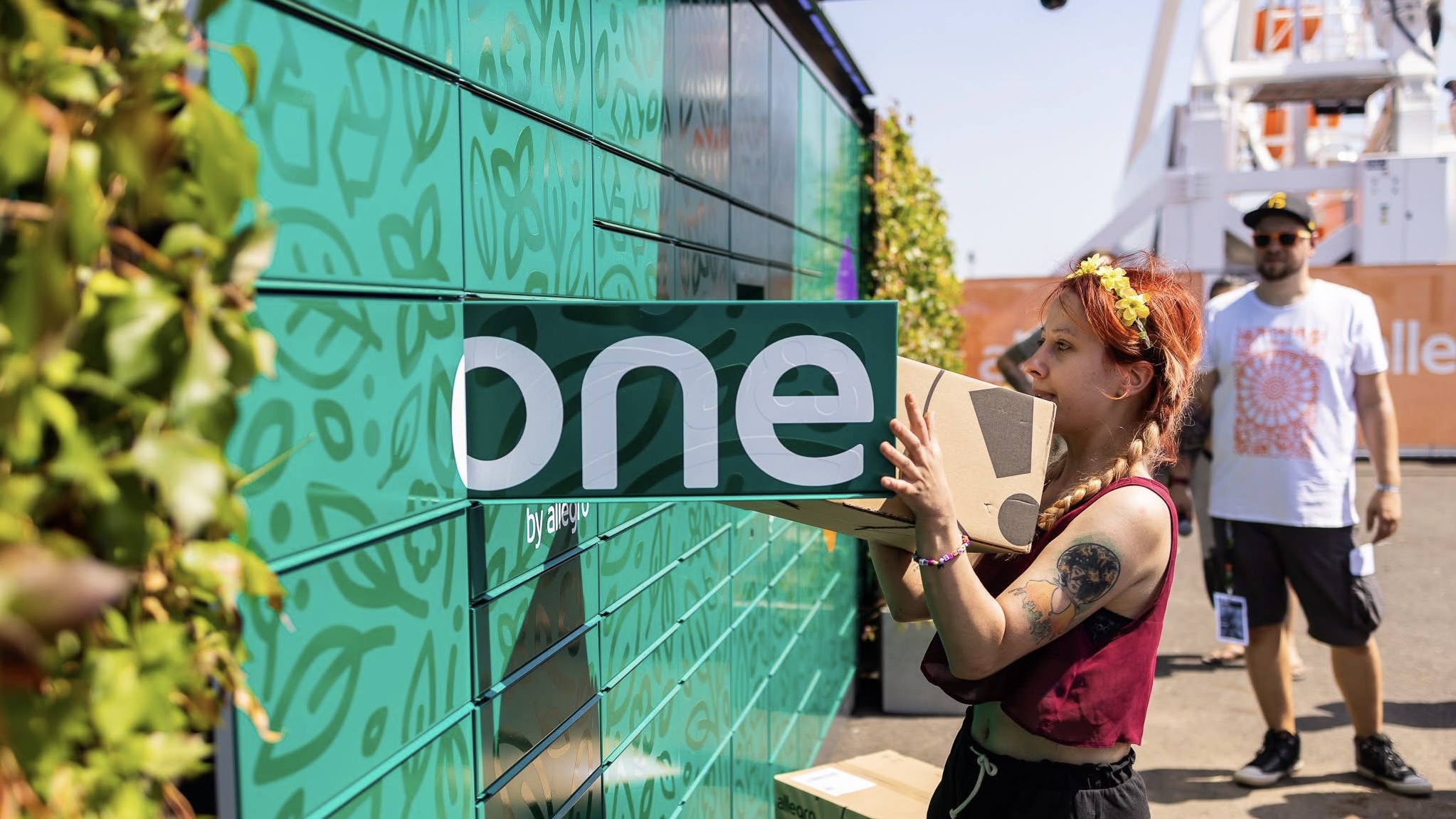
Poland’s largest e-commerce platform Allegro has begun testing delivery services to Ukraine, marking a potentially significant shift in the country’s online retail landscape. The move signals growing international interest in Ukraine’s digital marketplace despite ongoing wartime challenges, and raises questions about how established local players like Rozetka and Epicentr will respond to increased competition from a well-funded European rival.
Allegro, which dominates the Polish e-commerce sector with over 20 million active users and annual revenues exceeding 8 billion euros, has been expanding its presence across Central and Eastern Europe in recent years. The company successfully entered the Czech market in 2023 and has been eyeing further expansion opportunities. Ukraine, with its population of over 35 million and a rapidly digitalizing economy, represents an attractive growth market despite the complexities introduced by the ongoing conflict with Russia.
The Ukrainian e-commerce market has shown remarkable resilience since the full-scale invasion began in February 2022. According to industry estimates, online retail in Ukraine reached approximately 4 billion dollars in 2023, with projections suggesting continued growth as consumers increasingly prefer the convenience and safety of online shopping. The market is currently dominated by domestic players, with Rozetka holding the largest market share, followed by retailers like Epicentr, Prom.ua, and various specialized online stores. These companies have adapted their operations to wartime conditions, implementing flexible delivery options and maintaining service in areas where it remains safe to operate.
For Allegro, entering Ukraine presents both significant opportunities and substantial challenges. On the positive side, the company brings considerable experience in marketplace operations, sophisticated logistics infrastructure, and deep pockets for customer acquisition campaigns. Poland’s geographic proximity to Ukraine also offers natural advantages in terms of supply chain efficiency and delivery times. Many Ukrainian consumers are already familiar with cross-border shopping from Polish retailers, creating a foundation of trust and awareness that Allegro can potentially leverage.
However, the challenges should not be underestimated. Operating in a wartime environment requires specialized expertise in risk management, flexible logistics networks that can adapt to rapidly changing security situations, and robust payment systems that work despite financial sector disruptions. Local players like Rozetka have spent years building these capabilities and understanding the nuances of Ukrainian consumer behavior. They have established relationships with domestic suppliers, developed localized customer service operations, and created brand loyalty that will not be easily displaced. Additionally, Rozetka and other Ukrainian platforms have demonstrated remarkable adaptability during the war, quickly pivoting their operations to maintain service continuity even in the most difficult circumstances.
Industry analysts suggest that Allegro’s entry could ultimately benefit Ukrainian consumers through increased competition, potentially leading to lower prices, improved service quality, and greater product selection. The Polish company’s experience with seller marketplace models could also provide opportunities for Ukrainian merchants to reach new international customers. However, some observers express concern about the potential impact on domestic e-commerce businesses that are already operating under significant wartime pressures, including power outages, logistics disruptions, and workforce challenges.
The competitive dynamics will likely depend heavily on Allegro’s strategic approach. If the company focuses primarily on cross-border sales of Polish and European goods, it may carve out a complementary niche rather than directly threatening local market leaders. However, if Allegro pursues an aggressive strategy to recruit Ukrainian sellers and establish local logistics infrastructure, more direct competition with Rozetka and others would be inevitable. The outcome could reshape Ukraine’s e-commerce landscape for years to come, potentially accelerating the sector’s integration with broader European digital markets as the country pursues its path toward EU membership.
For now, Allegro’s Ukrainian operations remain in testing phase, and the company has not publicly announced detailed expansion plans. Market observers will be watching closely to see how local competitors respond and whether other international players follow Allegro’s lead in exploring the Ukrainian market. What is clear is that despite the ongoing conflict, Ukraine’s digital economy continues to attract serious international attention, reflecting both its current potential and the anticipated opportunities in post-war reconstruction and growth.