Ukraine’s Answer to Żabka: How ‘Simi’ Became the Youth-Focused Retail Chain That Grew to 500 Stores
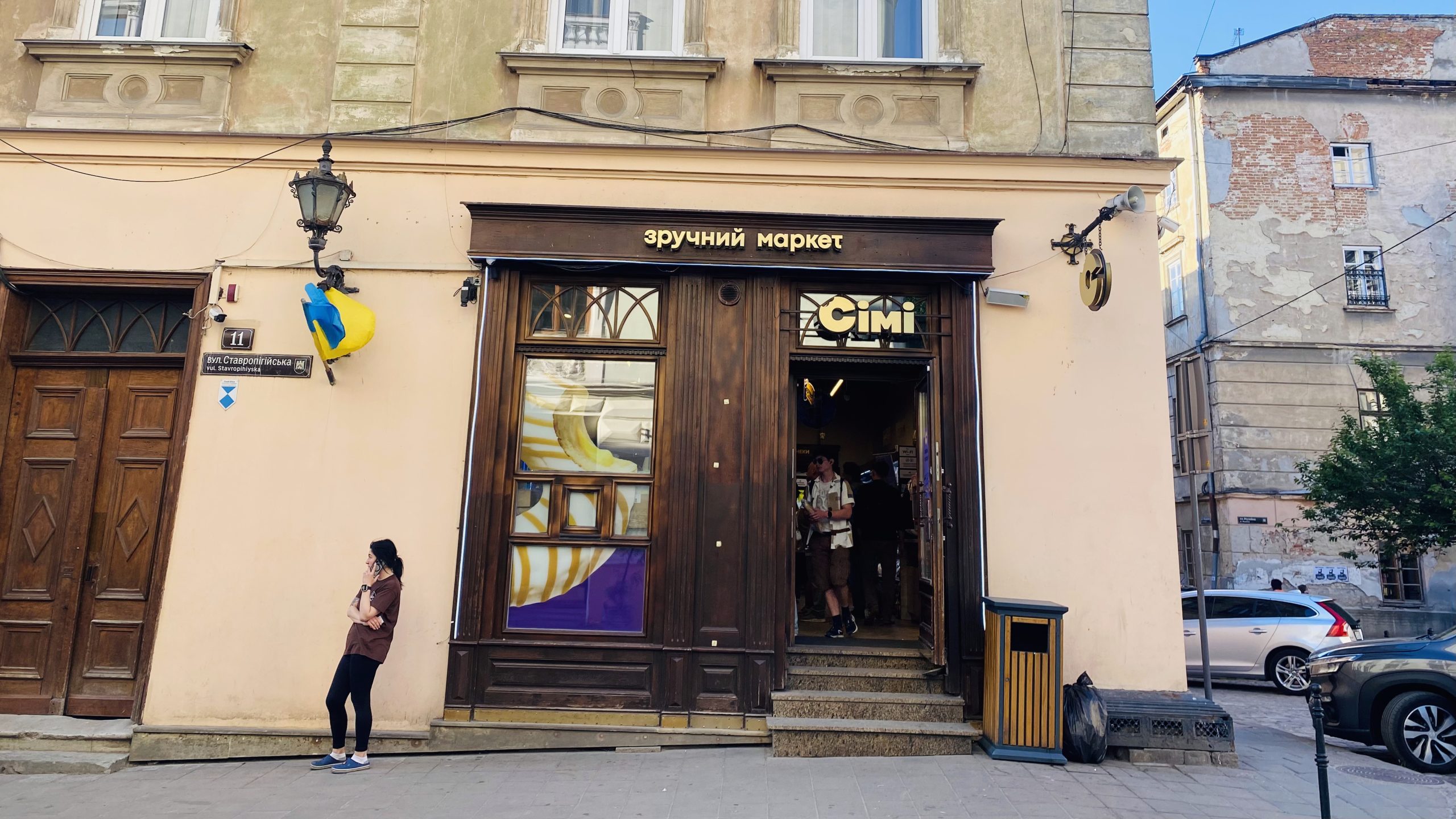
In the competitive landscape of Ukrainian retail, a remarkable success story has emerged from the western city of Lutsk. The convenience store chain ‘Simi’ has carved out a unique niche in the market by specifically targeting young consumers, a demographic often overlooked by traditional grocery retailers. What began as a local enterprise has now blossomed into an impressive network of 500 stores, drawing comparisons to Poland’s wildly successful Żabka chain and signaling a significant shift in how Ukrainians shop for everyday essentials.
The rise of Simi represents a broader transformation in Eastern European retail culture, where convenience stores have traditionally played a secondary role to large supermarkets and outdoor markets. Unlike the hypermarket model that dominated the post-Soviet retail landscape throughout the 1990s and 2000s, Simi embraced the small-format store concept that has proven enormously successful in Western Europe and Asia. The company recognized early on that changing urban lifestyles, particularly among younger generations, demanded a different approach to grocery shopping—one that prioritized speed, accessibility, and a curated product selection over warehouse-style abundance.
The strategic decision to focus on youth consumers proved to be a masterstroke of market positioning. Young Ukrainians, particularly those in urban areas, have demonstrated shopping habits that differ markedly from their parents’ generation. They tend to make more frequent, smaller purchases rather than weekly bulk shopping trips. They value store locations near public transportation hubs, universities, and entertainment districts. Most importantly, they seek out products that align with their lifestyle preferences—ready-to-eat meals, energy drinks, snacks, and items that facilitate their fast-paced daily routines. Simi built its entire business model around these insights, creating stores that feel less like traditional grocery outlets and more like extensions of youth culture.
The comparison to Poland’s Żabka is particularly apt and instructive. Żabka, which translates to ‘little frog,’ has become one of Central Europe’s most successful retail phenomena, operating over 10,000 stores across Poland and expanding internationally. The chain revolutionized Polish retail by introducing the franchise model to convenience stores and creating a standardized, recognizable brand that consumers could trust. Simi appears to have studied this playbook carefully, adapting its principles for the Ukrainian market while accounting for local preferences and economic conditions. Both chains share a philosophy of being omnipresent in urban environments—the goal is to ensure that customers are never more than a short walk from a store.
The growth trajectory from a single location in Lutsk to 500 stores represents exceptional execution in a challenging business environment. Ukraine’s retail sector has faced numerous obstacles in recent years, including economic volatility, currency fluctuations, and the ongoing impact of the full-scale Russian invasion that began in 2022. Yet Simi has continued to expand, suggesting strong operational fundamentals and genuine consumer demand for its format. The company’s western Ukrainian origins may have provided some insulation from the worst effects of the conflict, as Lutsk and the surrounding Volyn region have experienced fewer direct impacts than eastern and southern areas of the country.
Industry analysts point to several factors behind Simi’s success beyond its youth-focused positioning. The chain has reportedly invested heavily in supply chain efficiency, ensuring that its small-format stores can maintain fresh inventory despite limited storage space. It has also embraced technology, implementing modern point-of-sale systems and exploring digital payment options that resonate with its tech-savvy customer base. The store design philosophy emphasizes clean aesthetics and intuitive layouts, making the shopping experience quick and pleasant rather than utilitarian. These operational details, while less visible than marketing strategies, often determine whether convenience store concepts thrive or fail.
The implications of Simi’s growth extend beyond a single company’s success story. Ukraine’s retail market has long been characterized by a mix of international chains, domestic supermarket operators, and traditional markets. The emergence of a successful homegrown convenience format suggests maturation of the market and growing sophistication among Ukrainian retailers. It also reflects changing consumer expectations, particularly among younger demographics who have grown up with exposure to international retail standards through travel and digital media. As Ukraine continues its path toward European integration, domestic companies that can compete with international formats will play a crucial role in the country’s economic development.
Looking ahead, Simi faces both opportunities and challenges as it seeks to build on its 500-store foundation. The convenience store segment in Ukraine remains underpenetrated compared to Western European markets, suggesting substantial room for continued expansion. However, success will inevitably attract competition, both from international chains eyeing the Ukrainian market and domestic players seeking to replicate the Simi model. The company’s ability to maintain its youth-focused brand identity while scaling operations will be critical. For now, the story of how a Lutsk-based retailer built Ukraine’s answer to Żabka stands as a testament to entrepreneurial vision and the power of understanding your customer.