TotalEnergies Cleared to Sell Its Stake in Russia’s Sanctioned Arctic LNG 2 Project
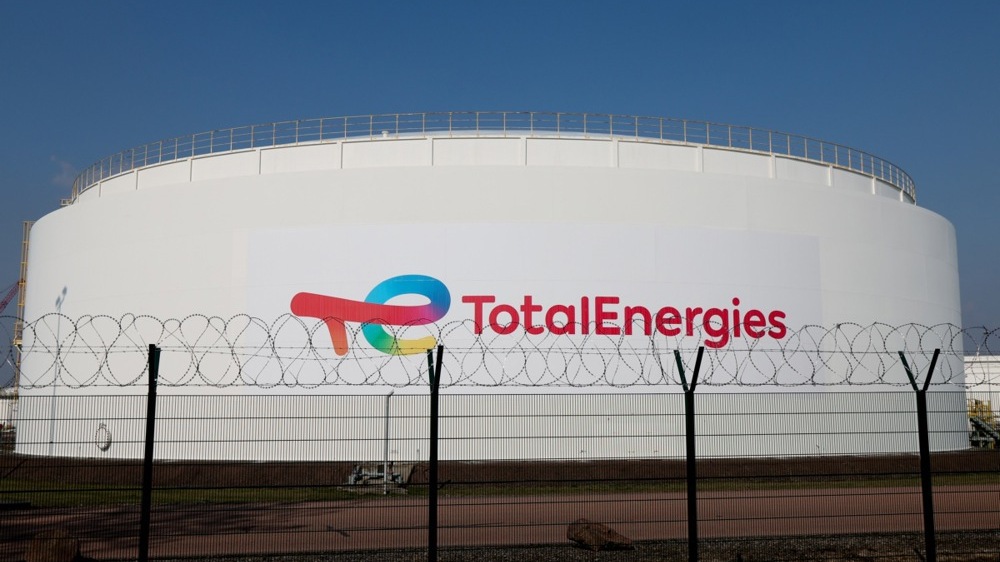
French energy giant TotalEnergies has received authorization to divest its 10 percent ownership stake in the Arctic LNG 2 project to a subsidiary of Novatek, the Russian natural gas producer that serves as the project’s majority shareholder and operator. This development marks a significant milestone in the ongoing effort by Western energy companies to unwind their investments in Russia following the international sanctions imposed after Moscow’s invasion of Ukraine in February 2022.
The potential sale represents one of the most substantial asset transfers in the liquefied natural gas sector since Western nations began implementing sweeping economic restrictions against Russia. TotalEnergies, which is headquartered in Paris and ranks among the world’s largest integrated oil and gas companies, had previously announced its intention to write down its Russian assets but had faced considerable challenges in actually executing any divestiture due to the complex web of sanctions and Russian capital controls.
Arctic LNG 2 is one of Russia’s flagship energy projects, located on the Gydan Peninsula in the Russian Arctic. The massive facility was designed to produce approximately 19.8 million tonnes of liquefied natural gas annually across three production trains, with each train capable of outputting 6.6 million tonnes per year. Novatek holds a 60 percent stake in the project, while TotalEnergies, along with Chinese companies CNOOC and CNPC, and a consortium of Japanese firms, held the remaining shares. The project was intended to cement Russia’s position as a major global LNG exporter and was seen as critical to the country’s long-term energy strategy.
However, the project has faced severe operational difficulties since being placed under U.S. sanctions in November 2023. These restrictions have effectively prevented the delivery of specialized LNG carriers needed to transport the super-cooled fuel to international markets. The sanctions have also complicated the procurement of essential equipment and technology, causing significant delays in the project’s ramp-up schedule. Industry analysts estimate that the sanctions have cost the project billions of dollars in lost revenue and have raised serious questions about its long-term viability.
TotalEnergies had invested approximately $2.5 billion in Arctic LNG 2 before Russia’s full-scale invasion of Ukraine prompted a dramatic reassessment of the company’s Russian portfolio. The French company had initially hoped to maintain its investment while complying with international sanctions, but mounting political pressure and the practical impossibility of receiving dividends or participating in project governance ultimately pushed the company toward divestiture. The sale to a Novatek subsidiary would likely occur at a significant discount to the asset’s pre-sanction value, reflecting both the political risks and operational uncertainties surrounding the project.
The transaction highlights the broader challenge facing Western energy companies that made substantial investments in Russia during the years of relatively warm relations between Moscow and European capitals. Companies including Shell, BP, and Equinor have all been forced to write off billions of dollars in Russian assets, though the actual process of selling these stakes has proven extraordinarily difficult. Russian authorities have implemented restrictions on asset sales by companies from so-called “unfriendly countries,” often requiring government approval and mandating that sales occur at steep discounts.
For Novatek and the Russian government, acquiring TotalEnergies’ stake would consolidate domestic control over a strategically important project at a time when Russia is seeking to reduce Western influence in its energy sector. Despite the sanctions challenges, Russian officials have repeatedly expressed confidence that Arctic LNG 2 will eventually reach full production capacity, pointing to efforts to develop a domestic fleet of ice-class LNG carriers and to redirect exports toward Asian markets less sensitive to Western sanctions pressure.
The broader implications of this transaction extend beyond the immediate parties involved. Energy market analysts suggest that the gradual exit of Western companies from Russian projects could accelerate Russia’s pivot toward Chinese and other Asian investors, fundamentally reshaping the global energy landscape. Meanwhile, European nations continue to grapple with the challenge of reducing their dependence on Russian energy supplies while maintaining energy security and managing the economic impacts of the transition.