Russia Pays Out Billions in Subsidies to Domestic Refineries, Significantly Reducing Oil and Gas Revenue
The Russian government disbursed a staggering 204.3 billion rubles (approximately $2.8 billion) to domestic oil refining companies in May 2025, marking an almost fivefold increase compared to the same period last year. This dramatic surge in subsidy payments represents a significant financial burden on the federal budget and has substantially reduced the country’s overall oil and gas revenues, raising questions about the long-term sustainability of Russia’s energy sector support mechanisms.
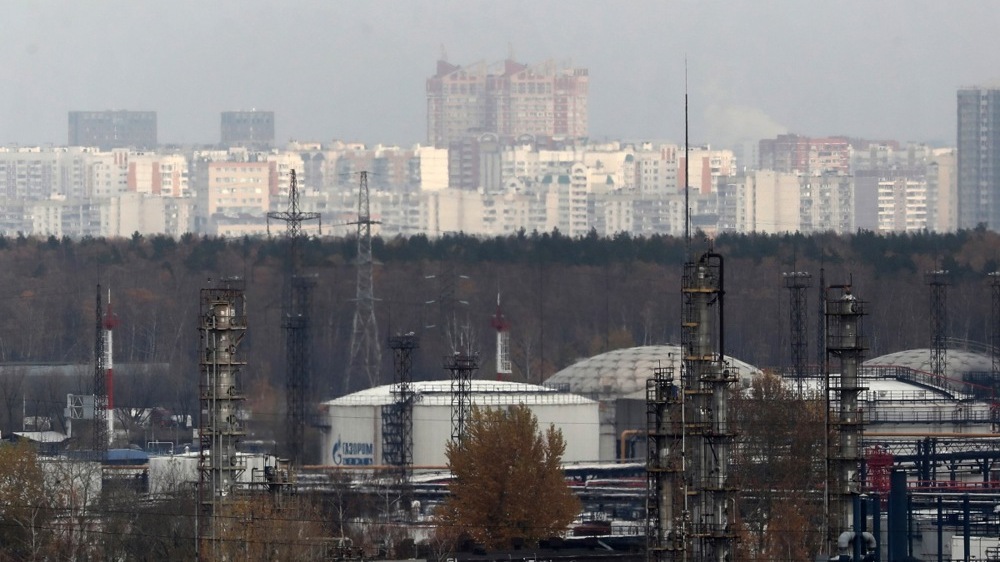
The compensation payments, known as the “damper” mechanism, were designed to incentivize Russian refineries to prioritize supplying the domestic market with fuel rather than exporting crude oil or petroleum products abroad. Under this system, the government essentially pays refineries the difference between export prices and regulated domestic fuel prices, ensuring that Russian consumers have access to affordable gasoline and diesel while refiners maintain profitability. However, the current scale of these payments has reached unprecedented levels that are straining government finances.
The origins of Russia’s refinery subsidy system date back to efforts to stabilize the domestic fuel market following periods of sharp price increases that sparked public discontent. The damper mechanism was introduced in 2019 as part of a broader “tax maneuver” in the oil industry, which involved gradually eliminating export duties while increasing mineral extraction taxes. This shift was intended to make the Russian oil sector more competitive internationally while protecting domestic consumers from global price volatility. The system has undergone multiple modifications since its inception, with the government adjusting formulas and parameters to respond to changing market conditions.
The exponential growth in compensation payments reflects the widening gap between international oil prices and the artificially suppressed domestic fuel prices that the Russian government maintains as a social policy priority. As global oil markets have experienced significant fluctuations due to geopolitical tensions, supply constraints, and shifting demand patterns, the cost of maintaining this price differential has escalated dramatically. Energy analysts note that such subsidy systems, while politically popular, often create market distortions and can lead to inefficiencies in the refining sector.
The financial implications of these massive payouts extend beyond the immediate budgetary impact. Russia’s oil and gas revenues have historically constituted a crucial pillar of federal budget revenues, typically accounting for approximately 30-40 percent of total government income. When billions of rubles flow back to refineries as compensation, the net contribution of the energy sector to state coffers diminishes substantially. This reduction comes at a particularly challenging time, as Russia faces increased military expenditures and economic pressures from international sanctions imposed following the invasion of Ukraine in 2022.
Industry experts point out that the current subsidy structure creates a paradoxical situation where higher global oil prices, which should theoretically benefit a major oil-producing nation, actually increase the government’s financial obligations to domestic refiners. Some economists have suggested that the damper mechanism in its current form may require fundamental reform, as the costs have grown far beyond original projections. Alternative approaches could include allowing gradual increases in domestic fuel prices, implementing more targeted subsidies for low-income consumers, or restructuring the formula to cap government exposure during periods of extreme price divergence.
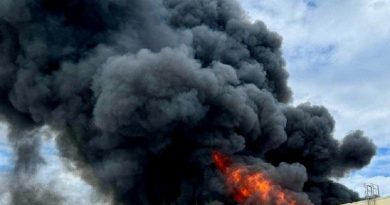
The refining industry itself has faced significant challenges in recent years, including Ukrainian drone strikes on major refinery facilities that have periodically disrupted production capacity. These attacks have forced some refineries to reduce operations or undergo extended repair periods, further complicating the supply-demand dynamics in the domestic fuel market. The combination of production disruptions, high subsidy costs, and international market pressures presents a complex set of challenges for Russian energy policymakers as they attempt to balance fiscal responsibility with political imperatives of maintaining affordable fuel prices for the population.
Looking ahead, the trajectory of refinery subsidies will likely depend on multiple factors, including global oil price movements, the effectiveness of domestic production capacity, and political decisions about acceptable fuel price levels for Russian consumers. The May 2025 payment figures suggest that without significant policy adjustments, the government may face continued pressure on its energy revenues throughout the year. As Russia navigates economic challenges on multiple fronts, the sustainability of current energy sector support mechanisms will remain a critical question for budget planners and industry stakeholders alike.