
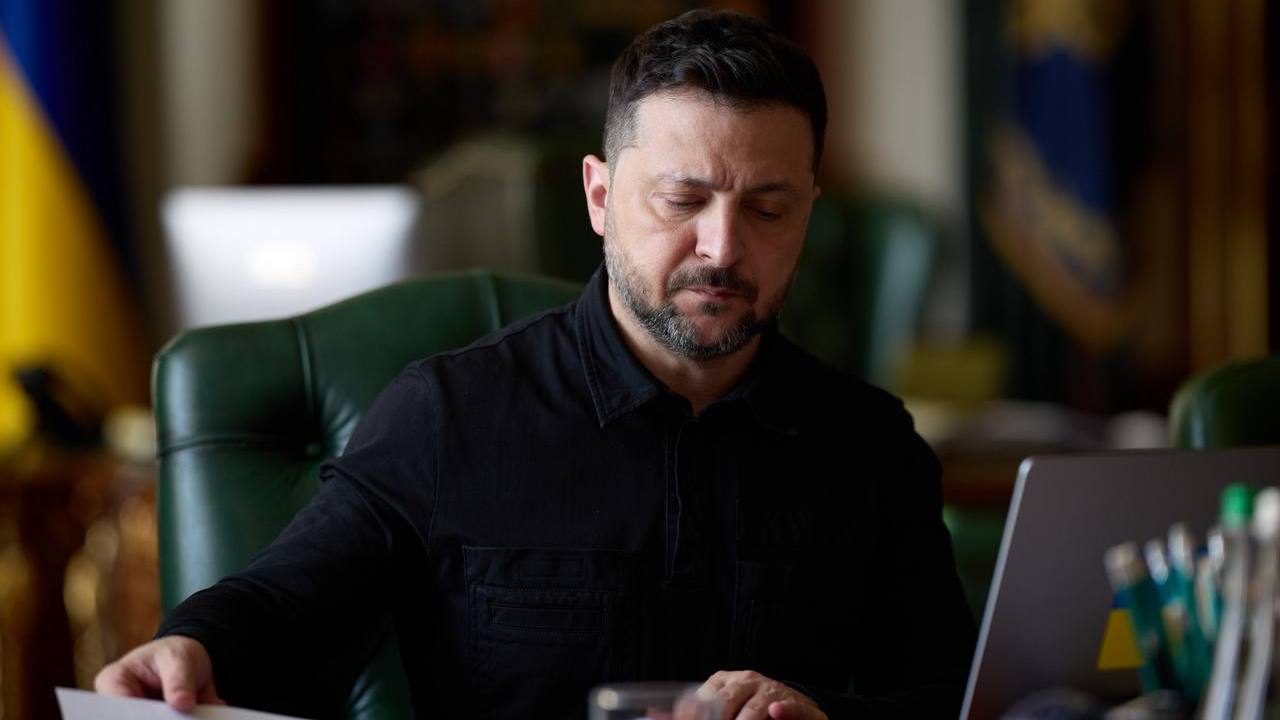
Ukraine Expands Sanctions Against Russia: Ten Mobile Operators and Internet Providers Added to Blacklist
Ukrainian President Volodymyr Zelensky has enacted a new round of sanctions targeting Russia’s telecommunications sector, placing ten mobile network operators and internet service providers on the country’s official sanctions list. The decision, formalized through a presidential decree, represents Kyiv’s continued effort to economically isolate Moscow and disrupt the infrastructure supporting the Russian state and its military operations. This latest measure follows a pattern of increasingly aggressive economic restrictions that Ukraine has imposed since the full-scale Russian invasion began in February 2022.
The newly sanctioned companies include major players in Russia’s telecommunications landscape, which collectively serve millions of subscribers across the Russian Federation. By targeting these entities, Ukraine aims to complicate their international business operations, restrict their access to global financial systems, and send a clear signal to companies that continue operating under the Kremlin’s jurisdiction. The sanctions typically involve asset freezes, trade restrictions, and prohibition of any business dealings with Ukrainian entities or citizens.
The telecommunications sector has become an increasingly important target in the economic warfare between Ukraine and Russia. Mobile operators and internet providers play a crucial role in maintaining civilian communications, but they also support military coordination, government surveillance capabilities, and the dissemination of state propaganda. Experts note that Russia’s major telecom companies have been required to install equipment allowing the Federal Security Service (FSB) to monitor communications, making them integral parts of the state security apparatus. By sanctioning these providers, Ukraine seeks to limit their ability to acquire Western technology, software updates, and equipment necessary for network maintenance and expansion.
This approach aligns with broader Western sanctions strategies that have targeted Russia’s technology sector since the invasion began. The United States, European Union, and other allies have imposed strict export controls on semiconductors, networking equipment, and other high-tech components essential for maintaining modern telecommunications infrastructure. Industry analysts have reported that Russian telecom companies are already experiencing difficulties sourcing replacement parts for network equipment, with some turning to parallel imports through third countries or Chinese alternatives of varying quality.
The historical context of Ukraine’s sanctions regime extends back to 2014, when Russia first annexed Crimea and began supporting separatist movements in eastern Ukraine. Since then, Kyiv has maintained and regularly expanded its sanctions lists, which now include thousands of Russian individuals and entities across various sectors. The National Security and Defense Council of Ukraine, which prepares recommendations for presidential sanctions decrees, has systematically identified companies that contribute to Russia’s military-industrial complex, state finances, or propaganda efforts. The telecommunications sector falls into multiple categories, given its role in tax revenue generation, military communications, and information control.
International observers have noted that while Ukrainian sanctions alone may have limited direct economic impact on large Russian corporations, they serve important symbolic and legal purposes. They demonstrate Ukraine’s commitment to using all available tools in its defense against Russian aggression and create a framework for potential future cooperation with Western sanctions regimes. Furthermore, these measures complicate the operations of sanctioned companies in any jurisdiction that recognizes Ukrainian legal decisions, potentially affecting their partnerships with international technology vendors and financial institutions.
The timing of these new sanctions coincides with ongoing discussions among Ukraine’s Western allies about strengthening economic pressure on Russia. As the conflict continues into its third year, there is growing recognition that comprehensive sanctions covering all sectors of the Russian economy are necessary to limit Moscow’s ability to sustain its military campaign. The telecommunications sector, with its connections to surveillance, military command structures, and civilian morale, represents a strategic target that aligns with these broader objectives. President Zelensky has consistently advocated for maximum economic pressure on Russia, arguing that sanctions remain one of the most effective non-military tools available to the international community in supporting Ukraine’s defense efforts.