

Business Week in Review: Kyiv Under Fire, Arms Exports Surge, and New Retail Challengers Emerge
The past week has brought a whirlwind of significant business and economic developments across Ukraine and the broader region, touching on everything from corporate governance battles to real estate transactions with unusual buyers, and regulatory changes that signal shifting priorities in neighboring Russia. As the country continues to navigate the challenges of wartime economy, these stories reflect both the resilience and adaptability of Ukrainian business, as well as the ongoing tensions that define the current economic landscape.
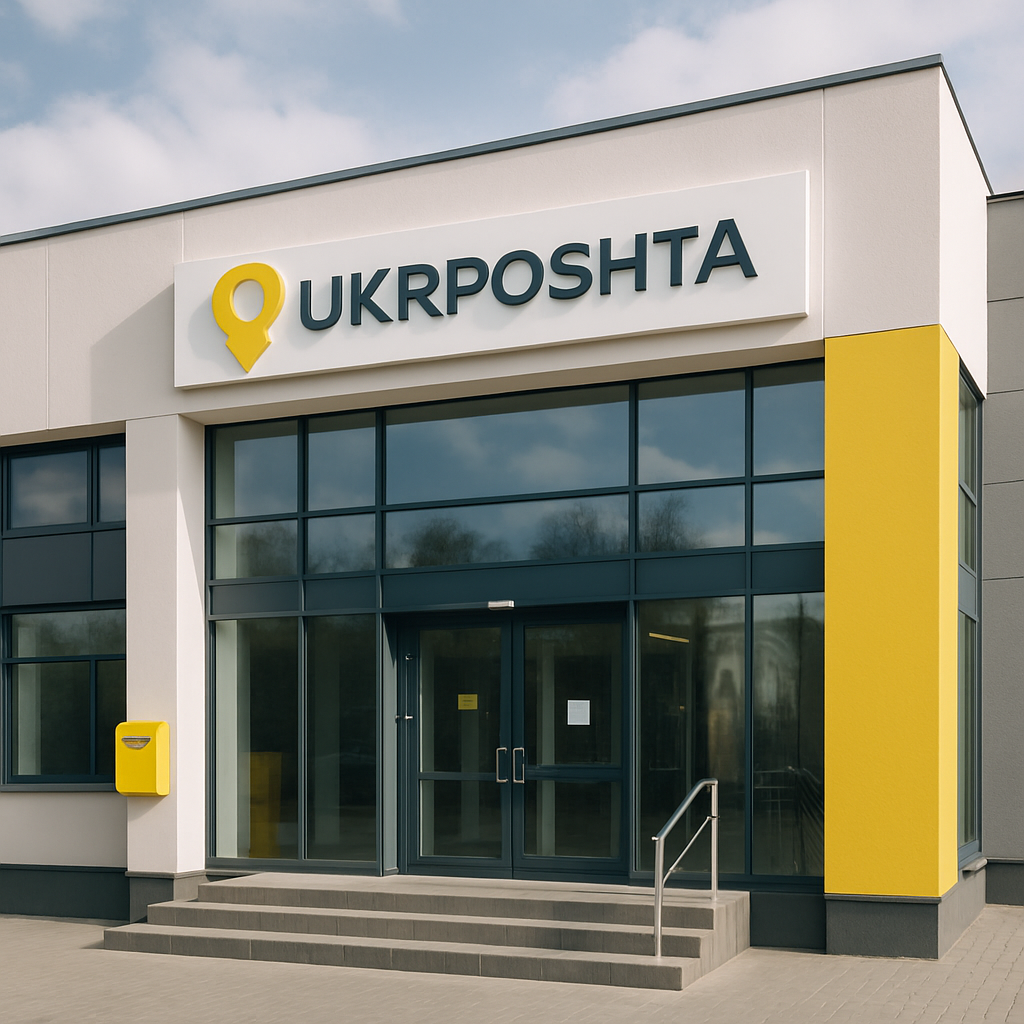
One of the most closely watched corporate dramas continues to unfold between Ukrposhta CEO Ihor Smilyansky and the National Bank of Ukraine. The conflict, which has been simmering for months, centers on regulatory oversight and the future direction of Ukraine’s state postal service. Smilyansky, who has led Ukrposhta since 2016 and is credited with modernizing the aging institution, has been vocal in his criticism of what he perceives as overreach by the central bank. The NBU, for its part, has maintained that its regulatory functions are essential for financial stability, particularly given Ukrposhta’s expanding role in financial services delivery to rural communities. This battle reflects broader tensions in Ukraine’s state enterprise sector, where reformist managers often clash with established regulatory frameworks.
In an unexpected twist in Kyiv’s real estate market, the apartment formerly belonging to controversial Russian designer Artemy Lebedev has found a new owner with an equally colorful moniker. The property was purchased by an individual known as “General Cherry” (Генерал Черешня), a name that has sparked considerable curiosity in business circles. Lebedev, once one of Russia’s most prominent designers who built a significant following in Ukraine, became persona non grata after making statements supporting Russia’s invasion. His Ukrainian assets have been subject to various legal proceedings, and this sale represents another chapter in the ongoing process of divesting Russian-linked properties in Ukraine. The transaction also highlights how Kyiv’s prime real estate market continues to function despite ongoing military threats.

The Ukrainian capital itself remains under persistent threat, with regular missile and drone attacks continuing to target the city’s infrastructure and residential areas. Despite these challenges, Kyiv’s business community has demonstrated remarkable adaptability, with many companies implementing hybrid work arrangements, investing in backup power systems, and developing contingency plans that allow operations to continue even during periods of intense shelling. The city’s commercial real estate sector has seen interesting shifts, with increased demand for properties equipped with reinforced shelters and reliable power backup systems. International businesses operating in Ukraine have largely maintained their presence, viewing the long-term potential of the Ukrainian market as outweighing current security risks.
On the international trade front, Ukraine’s arms export sector has emerged as a surprising bright spot in the wartime economy. Drawing on decades of Soviet-era defense manufacturing heritage, Ukrainian companies have ramped up production of various weapons systems, drones, and military equipment. The country’s defense industry, centered in cities like Kharkiv and Kyiv, has attracted significant foreign investment and partnership agreements. This growth represents a fundamental shift in Ukraine’s economic structure, with defense manufacturing becoming an increasingly important contributor to GDP and employment. Experts suggest that Ukraine’s battlefield experience has made its defense products particularly attractive to international buyers seeking proven, combat-tested systems.
Meanwhile, across the border, Russia has announced plans to resume selling gasoline meeting only Euro-2 emission standards, a significant rollback from previous environmental regulations. This decision, driven by sanctions pressure on the Russian refining industry, marks a stark departure from the country’s previous commitments to align with European environmental standards. The move is expected to increase air pollution in Russian cities and represents yet another example of how international sanctions are forcing Moscow to make difficult choices about resource allocation. For Ukraine’s automotive and fuel sectors, this development creates potential opportunities, as the country maintains its commitment to higher fuel standards, potentially making it more attractive for European automotive investments.
In the retail sector, new competition is emerging to challenge established fast-fashion chains like Sinsay, the Polish brand that has gained significant market share in Ukraine. Local and international entrepreneurs are developing business plans aimed at capturing the growing demand for affordable fashion among Ukrainian consumers. These competitors are betting that a combination of localized product offerings, competitive pricing, and stronger supply chain resilience can win over customers who have increasingly turned to value-oriented shopping as wartime inflation pressures household budgets. The fashion retail segment remains one of the more dynamic areas of Ukraine’s consumer economy, with foot traffic in shopping centers gradually recovering in cities considered relatively safe from attack.