
“This Hit Our Reputation Hard”: Solo for Diamonds Founder on Building a Jewelry Brand in America Amid Scandal
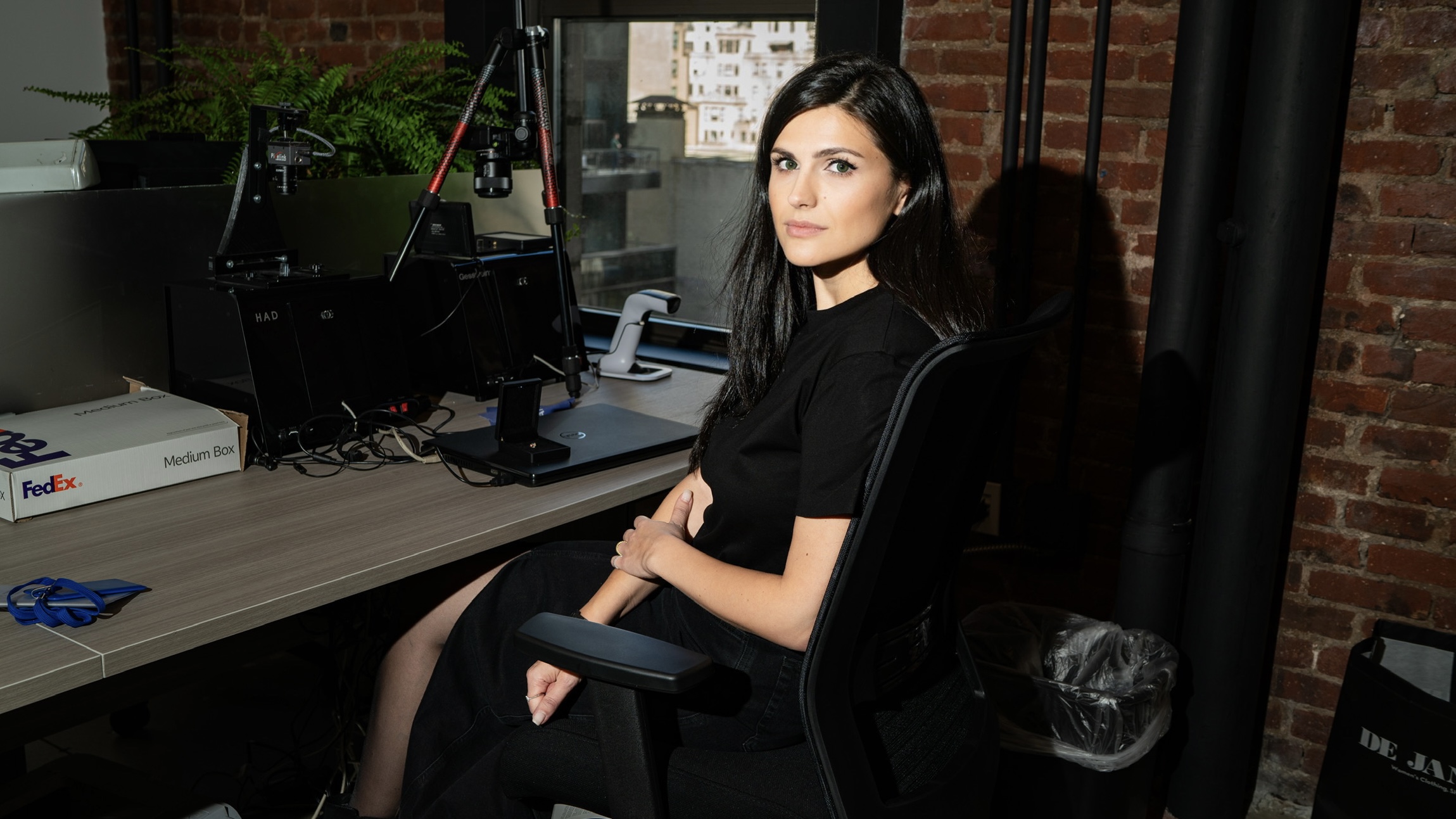
Building a luxury jewelry brand from the ground up is challenging enough without unexpected controversies. For Yulia Kusher, founder of Solo for Diamonds, the journey of establishing her brand in the competitive American market has been marked by both remarkable growth and unforeseen obstacles. In a recent interview, the entrepreneur opened up about her business strategy, the realities of the U.S. luxury goods market, and how a connection to a figure involved in the notorious “Midas” case impacted her company’s standing.
Solo for Diamonds emerged as a player in the high-end jewelry sector during a period of significant transformation in the industry. The global diamond market, valued at approximately $87 billion, has seen shifting consumer preferences, with younger buyers increasingly seeking brands that offer both quality craftsmanship and compelling brand narratives. Kusher positioned her company to capitalize on this trend, focusing on creating pieces that combine traditional diamond-setting techniques with contemporary design sensibilities. The brand’s approach resonated particularly well with affluent millennials and Gen Z consumers who prioritize authenticity and transparency in their luxury purchases.
One of the most striking aspects of Kusher’s business model is her aggressive reinvestment strategy. The founder revealed that she channels a full 50% of the company’s profits back into marketing efforts—a figure that might seem excessive to traditional jewelers but reflects the realities of building brand awareness in the digital age. This approach aligns with broader industry trends, as luxury brands increasingly compete for attention on social media platforms and through influencer partnerships. The diamond industry has historically relied on established names and generational loyalty, but newer entrants like Solo for Diamonds must work significantly harder to carve out market share against competitors with decades of brand recognition.
The American market presents unique opportunities and challenges for jewelry brands. The United States remains the world’s largest consumer of diamonds, accounting for roughly half of global demand. However, the market is highly saturated, with both legacy houses like Tiffany & Co. and Harry Winston competing alongside direct-to-consumer startups that have disrupted traditional retail models. Kusher’s decision to establish her brand in this competitive landscape required not only substantial capital investment but also a deep understanding of American consumer psychology. U.S. buyers tend to value both the emotional significance of jewelry purchases and the perceived investment value of high-quality pieces.
The interview took a more serious turn when Kusher addressed the scandal involving Mindich, a figure connected to the “Midas” case. This legal matter has garnered significant attention in business circles, involving allegations of financial impropriety that have cast a shadow over various associated enterprises. “This hit our reputation hard,” Kusher admitted candidly, acknowledging the collateral damage that such associations can inflict on businesses in the luxury sector, where trust and prestige are paramount. The jewelry industry, perhaps more than any other, depends on perception—customers purchasing high-value items must have complete confidence in the integrity of the brand and its leadership.
Reputation management in the wake of such controversies requires careful navigation. Industry experts note that luxury brands affected by scandal face a difficult choice between addressing allegations head-on and attempting to distance themselves quietly. Kusher appears to have chosen a middle path, acknowledging the impact while emphasizing her company’s independent operations and commitment to ethical business practices. The diamond industry has faced increased scrutiny in recent years over issues ranging from conflict diamonds to labor practices, making transparency more important than ever for brands seeking to maintain consumer trust.
Despite these challenges, Kusher remains optimistic about Solo for Diamonds’ future trajectory. The brand has continued to expand its presence through e-commerce channels and selective retail partnerships. The founder’s willingness to discuss difficult topics publicly may ultimately serve the company well, as modern consumers increasingly value authenticity over polished corporate messaging. As the jewelry industry continues to evolve, with lab-grown diamonds gaining market share and sustainability concerns reshaping purchasing decisions, brands that can demonstrate resilience and adaptability will be best positioned for long-term success. Kusher’s story illustrates both the promise and peril of entrepreneurship in the luxury goods sector—a world where fortunes can be made and reputations damaged with equal speed.