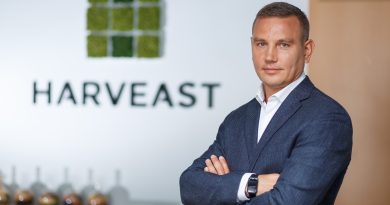

“Our Goal Is to Become Nestlé Without Becoming Nestlé”: Inside the $450 Million Pet Food Empire Preparing for Generational Transition
In the competitive world of pet food manufacturing, few companies have managed to achieve the kind of growth trajectory that Kormotech has experienced over the past two decades. At the helm of this Ukrainian success story stands Rostyslav Vovk, co-owner of a company now valued at approximately 450 million euros. In a recent interview, Vovk shared his vision for building a global brand while maintaining the agility and innovation that family-owned businesses are known for, encapsulating his philosophy in one striking phrase: “Our task is to become Nestlé without becoming Nestlé.”
The paradox embedded in Vovk’s statement reveals a nuanced understanding of modern business dynamics. On one hand, Nestlé represents the pinnacle of consumer goods success – a multinational corporation with unparalleled distribution networks, brand recognition, and market dominance in multiple categories including pet food through its Purina brand. On the other hand, the Swiss giant also symbolizes the bureaucratic inertia, slow decision-making, and loss of entrepreneurial spirit that often accompanies corporate gigantism. Vovk’s ambition is to capture the scale and influence of such global players while preserving the innovative culture and nimble operations that allowed Kormotech to rise from a regional producer to an international competitor.
Founded in the early 2000s in Lviv, Ukraine, Kormotech has grown to become one of the largest pet food manufacturers in Eastern Europe. The company produces a wide range of products for cats and dogs under several brand names, with distribution networks spanning across Europe, Asia, and North America. This expansion has been particularly remarkable given the challenging business environment in Ukraine, including economic instability, political upheaval, and most recently, the full-scale war that began in 2022. Despite these obstacles, the company has continued to invest in production capacity, quality improvements, and international market development.
Central to Vovk’s current focus is the question of succession planning and preparing the company for generational transition. This challenge faces countless family businesses worldwide, with statistics showing that only about 30% of family-owned companies survive into the second generation, and merely 12% make it to the third. Vovk is acutely aware of these odds and has been implementing systematic changes to ensure Kormotech’s longevity. This includes establishing clear governance structures, professionalizing management, and gradually introducing the next generation to various aspects of the business while ensuring they earn their positions through merit rather than birthright alone.
Brand building represents another cornerstone of Kormotech’s strategy for sustainable growth. In an industry dominated by multinational corporations with massive marketing budgets, creating recognizable and trusted brands requires both creativity and strategic patience. The company has invested heavily in understanding consumer behavior, particularly the evolving relationship between pet owners and their animals. Modern pet parents, especially millennials and Gen Z consumers, increasingly view their pets as family members and are willing to pay premium prices for products they perceive as healthier, more natural, or more ethically produced. Kormotech has positioned several of its brands to capture this shift in consumer sentiment.
The implementation of Western corporate culture within a Ukrainian company presents its own unique set of challenges and opportunities. Vovk has been deliberate about adopting international best practices in areas such as corporate governance, quality management, and employee development while remaining sensitive to local cultural context. This includes implementing transparent decision-making processes, investing in continuous training programs, and creating career advancement opportunities based on performance metrics. The goal is to create an organizational culture that can attract international talent and partners while retaining the entrepreneurial energy that drove the company’s initial success.
Looking ahead, the pet food industry continues to present significant growth opportunities globally. The worldwide pet food market is projected to reach nearly $150 billion by 2030, driven by increasing pet ownership rates, the humanization of pets, and rising disposable incomes in emerging markets. Kormotech’s strategic positioning – with established production capabilities, growing brand portfolio, and expanding international presence – places it well to capture a meaningful share of this growth. However, competition remains fierce, with major players constantly innovating and smaller craft producers appealing to niche markets. Success will require continued investment in product development, marketing sophistication, and operational excellence.
Vovk’s vision for Kormotech ultimately reflects a broader trend among ambitious family businesses seeking to compete on a global stage without sacrificing their core identity. By pursuing scale while guarding against bureaucratic calcification, by building brands while maintaining production excellence, and by preparing for succession while driving current growth, the company represents a case study in balanced strategic ambition. Whether Kormotech can truly achieve the impossible – becoming a global giant while retaining entrepreneurial soul – remains to be seen, but the journey itself offers valuable lessons for business leaders navigating similar aspirations.