
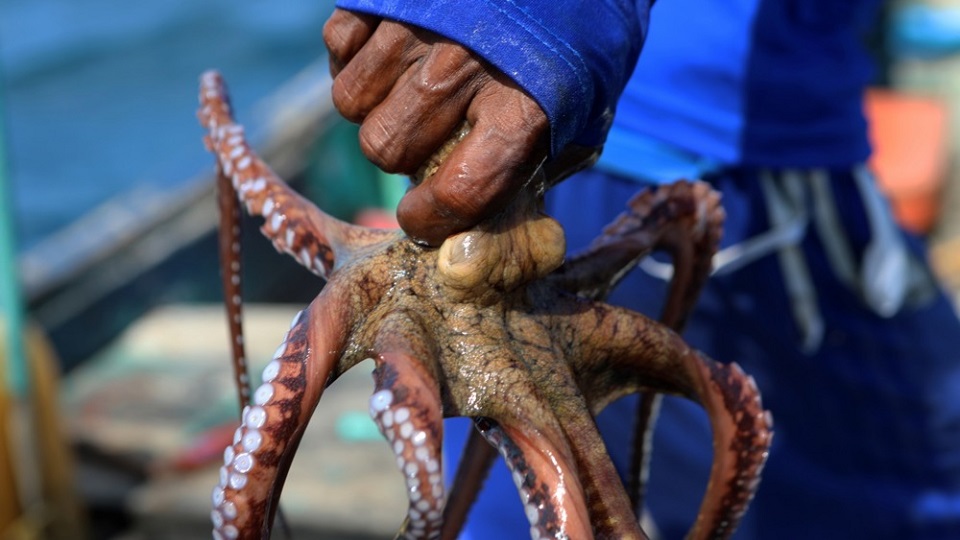
Spanish Seafood Giant Abandons Controversial Plans for World’s First Commercial Octopus Farm
Nueva Pescanova, one of Spain’s largest seafood companies, has officially abandoned its ambitious and highly controversial plans to establish the world’s first commercial octopus farming facility. The company cited persistent delays in obtaining necessary permits as the primary reason for shelving the project, which had drawn intense criticism from animal welfare organizations, scientists, and environmental groups worldwide since its announcement in 2021.
The proposed facility was to be constructed in Las Palmas de Gran Canaria, in Spain’s Canary Islands, with plans to produce approximately 3,000 tonnes of octopus annually. The farm would have housed around one million octopuses in tank systems, marking an unprecedented attempt to industrialize the cultivation of these highly intelligent cephalopods. Nueva Pescanova had invested years of research into developing techniques to breed octopuses in captivity, a notoriously difficult endeavor given the animals’ complex life cycles and solitary nature.
The decision to halt the project comes after years of mounting opposition from the scientific community. Researchers have long argued that octopuses possess remarkable cognitive abilities, including problem-solving skills, the capacity to use tools, and evidence of individual personalities. Studies have demonstrated that octopuses can recognize human faces, navigate complex mazes, and even display playful behavior. A landmark 2021 report from the London School of Economics concluded that octopuses are sentient beings capable of experiencing pain and suffering, leading the United Kingdom to include them in animal welfare legislation for the first time.
Animal welfare organizations had launched sustained campaigns against the Nueva Pescanova project, arguing that confining such intelligent creatures in industrial farm conditions would constitute animal cruelty on an unprecedented scale. Critics pointed out that octopuses are naturally solitary animals that can become aggressive when forced into close proximity with others, raising serious concerns about how they would cope in densely populated tank environments. The proposed conditions included keeping the animals in cold water with low lighting to control their behavior, practices that opponents described as inherently stressful for the species.
The global octopus market has grown substantially in recent decades, driven primarily by demand from Mediterranean and Asian countries where octopus is considered a culinary delicacy. Wild octopus catches have declined in many regions due to overfishing, creating commercial interest in aquaculture alternatives. However, farming octopuses presents unique challenges that differ significantly from traditional fish farming. Octopuses require live prey, have short lifespans of typically one to two years, and females die shortly after their eggs hatch, making breeding cycles economically challenging to sustain.
Environmental concerns also played a significant role in the opposition to the facility. Marine scientists warned that octopus farming would require massive quantities of fish to feed the animals, potentially exacerbating pressure on already strained wild fish populations. Unlike herbivorous farmed fish that can be fed plant-based diets, octopuses are carnivorous predators that require protein-rich meals. Experts estimated that producing one kilogram of farmed octopus would require approximately three kilograms of feed, raising questions about the overall sustainability of such operations.
The regulatory obstacles that ultimately doomed the project reflect growing governmental awareness of animal welfare concerns in aquaculture. Several jurisdictions have begun examining whether octopus farming should be permitted at all, with some regions considering outright bans. The state of Washington in the United States passed legislation prohibiting octopus farming in 2023, becoming one of the first places to take such action. The European Union has also been reviewing its position on cephalopod welfare in farming contexts.
While Nueva Pescanova’s retreat represents a significant victory for animal welfare advocates, the debate over octopus farming is unlikely to disappear entirely. Other companies in countries including Japan, Mexico, and Australia have expressed interest in developing similar facilities, though none have progressed as far as the Spanish project. The cancellation of the world’s first commercial octopus farm may serve as a precedent that influences regulatory decisions and corporate strategies worldwide, potentially preventing the emergence of an entirely new category of industrial animal agriculture before it gains momentum.