‘Business Means Nothing When You Risk Losing Your Country’: Why Ukrainian Entrepreneurs Are Standing With the Protests
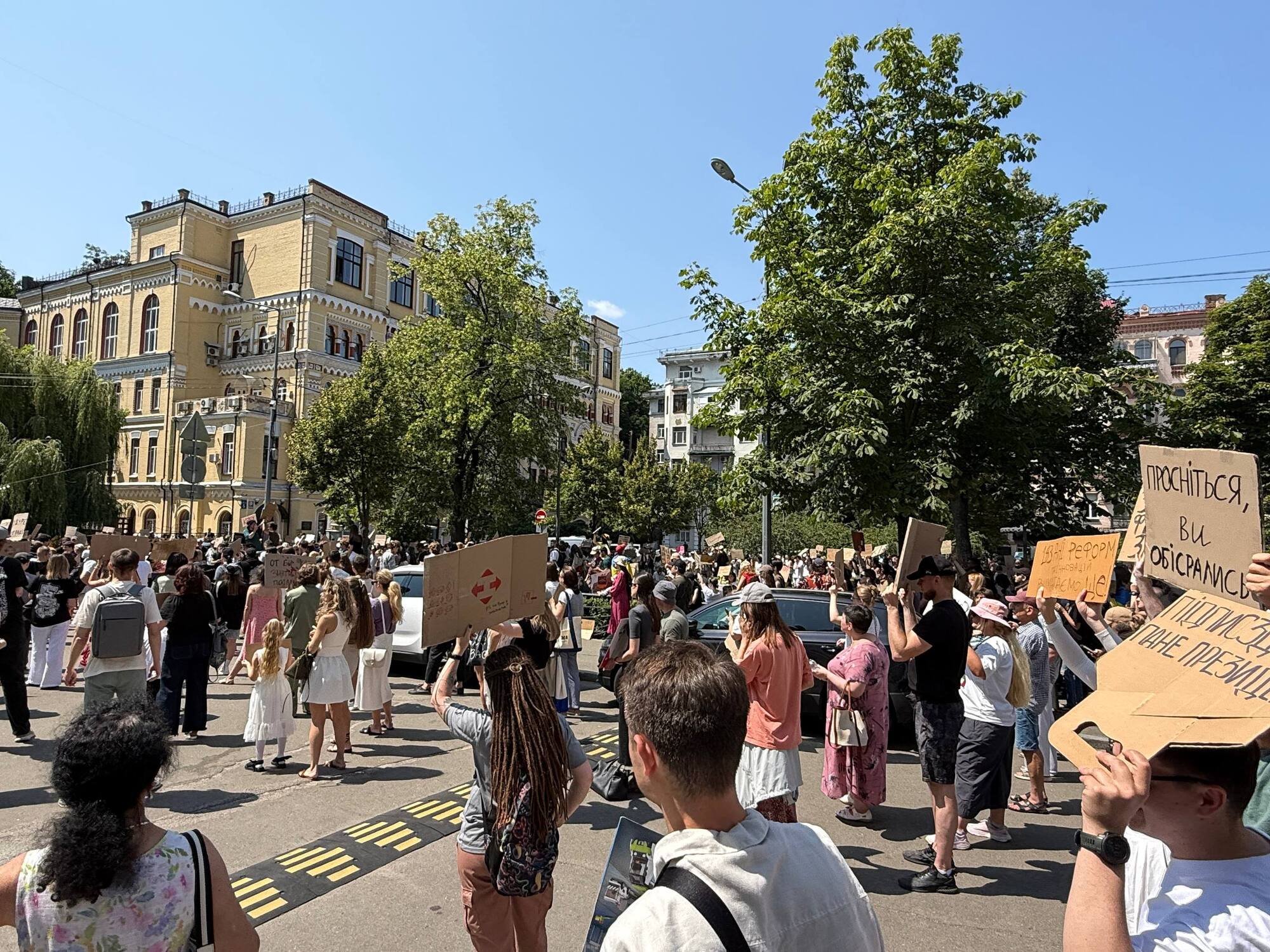
In recent weeks, Ukraine has witnessed a remarkable phenomenon that has captured international attention: prominent business owners and entrepreneurs stepping away from their companies to join mass street protests. Founders of well-known Ukrainian brands including Hvoya, Honey, Inzhur, and Sens have spoken openly to LIGA.net about their motivations for participating in demonstrations, revealing a profound shift in how the country’s business community views its civic responsibilities during times of political crisis.
The decision for business owners to publicly engage in protests represents a significant departure from the traditional approach of Ukrainian entrepreneurs, who have historically preferred to maintain political neutrality to protect their commercial interests. However, the current wave of activism suggests that many have concluded that the existential threat to their nation far outweighs any potential business risks. As one founder succinctly put it, protecting quarterly profits becomes meaningless when the very foundation of the state is under threat.
This mobilization of the business community carries echoes of Ukraine’s previous revolutionary moments, particularly the Orange Revolution of 2004 and the Euromaidan protests of 2013-2014. During those pivotal periods, business leaders played crucial supporting roles, providing resources, logistics, and legitimacy to pro-democracy movements. The current protests represent a continuation of this tradition, but with an even more pronounced willingness among entrepreneurs to personally take to the streets rather than merely offering behind-the-scenes support.
The companies whose founders have joined the protests represent a cross-section of Ukraine’s modern economy. Hvoya, known for its sustainable home goods and natural products, has built a brand around Ukrainian craftsmanship and identity. Inzhur operates in the insurance technology sector, representing the country’s growing fintech ecosystem. Honey and Sens similarly reflect the entrepreneurial energy that has emerged in Ukraine over the past decade, particularly following the 2014 revolution that oriented the country more firmly toward European integration and democratic values.
Economic analysts note that the business community’s participation in protests carries substantial financial risks. Companies whose owners publicly oppose government policies may face regulatory scrutiny, difficulties with permits, or loss of state contracts. In post-Soviet economies, where the line between political and economic power often blurs, such activism has historically invited retaliation. Yet Ukrainian entrepreneurs appear to have calculated that remaining silent poses even greater dangers in the long term.
The phenomenon also reflects a generational shift in Ukrainian business culture. Many of the entrepreneurs joining protests built their companies after 2014, coming of age professionally in an environment that emphasized European values, transparency, and civic engagement. For this cohort, business success and national development are inextricably linked. They recognize that sustainable commerce requires stable institutions, rule of law, and a functioning democracy – all of which they see as threatened by current political circumstances.
International observers have noted that the Ukrainian business community’s willingness to prioritize national interests over commercial ones stands in contrast to patterns seen in other post-Soviet states, where oligarchic structures and fear of government reprisal typically keep entrepreneurs politically docile. This civic courage may be rooted in the traumatic experiences of recent years, including the ongoing conflict in eastern Ukraine and the constant awareness that national sovereignty cannot be taken for granted. For these business owners, the message is clear: some things matter more than profit margins, and the survival of their country is chief among them.