Ukraine Eyes Revival of Agriculture Ministry with 250 Billion Hryvnias at Stake
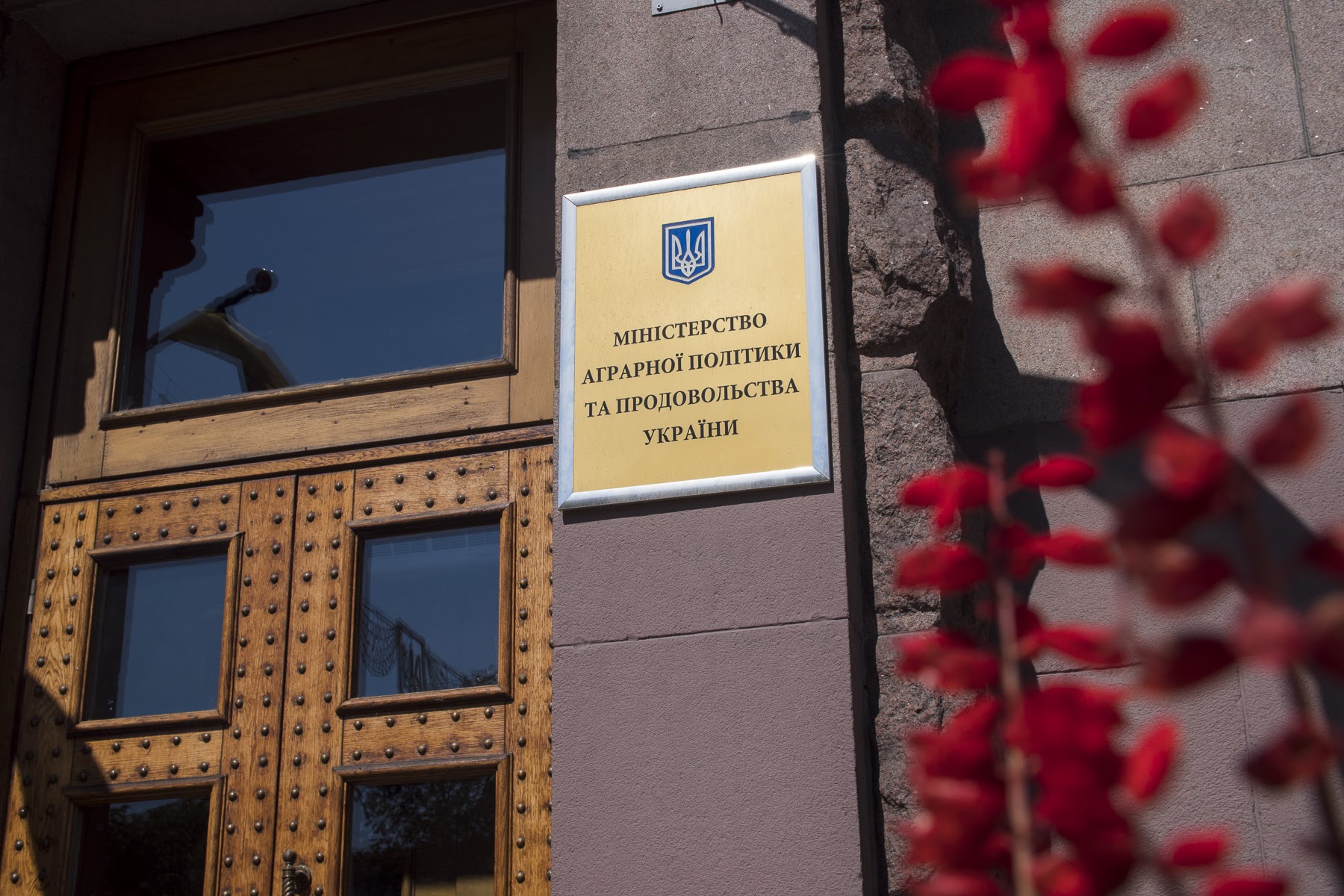
Ukraine is considering a significant governmental restructuring that would see the agricultural sector split off from what is currently the largest ministry in the country’s history. The proposal to re-establish a separate Ministry of Agrarian Policy comes amid discussions about more effective management of approximately 250 billion hryvnias in agricultural funding, a move that could reshape how one of Ukraine’s most critical economic sectors is governed during wartime and beyond.
The current mega-ministry, known as the Ministry of Economy, Environment and Agriculture, was created as part of administrative reforms aimed at streamlining government operations and reducing bureaucracy. However, critics argue that combining such diverse portfolios has diluted attention to the agricultural sector, which remains the backbone of Ukraine’s economy and a crucial source of foreign currency earnings. Agriculture accounts for roughly 10-11% of Ukraine’s GDP and approximately 40% of its export revenues, making it arguably too significant to be managed as a subsidiary function within a broader economic ministry.
The push to restore the Ministry of Agrarian Policy reflects growing concerns among farming communities, agricultural businesses, and industry associations about the sector’s representation at the highest levels of government. Before the merger, Ukraine’s agricultural ministry had dedicated resources and specialized expertise focused entirely on supporting farmers, developing rural infrastructure, and navigating complex international agricultural trade relationships. Proponents of the split argue that the current arrangement has created bureaucratic bottlenecks and reduced the government’s responsiveness to agricultural emergencies and market disruptions.
The 250 billion hryvnia figure at stake encompasses various agricultural support programs, subsidies, development funds, and infrastructure investments. This substantial sum includes state support for farmers affected by the ongoing war, compensation programs for damaged agricultural equipment and destroyed storage facilities, as well as funding for the development of new export routes following Russia’s periodic blockades of Black Sea shipping lanes. Efficient allocation of these resources requires specialized knowledge and dedicated administrative capacity that advocates say can only be provided by a standalone ministry.
Historical context adds weight to the debate. Ukraine’s Ministry of Agrarian Policy was originally established in the early years of independence to manage the transition from Soviet collective farming to private agricultural enterprise. Over three decades, it oversaw land reforms, the development of modern agribusiness, and Ukraine’s emergence as one of the world’s leading grain exporters. The country earned the nickname “breadbasket of Europe” partly due to policies developed and implemented by this dedicated agricultural authority. The ministry’s absorption into the larger economic portfolio in recent years represented a departure from this tradition of specialized governance.
International partners and agricultural experts have weighed in on the discussion, noting that most major agricultural nations maintain dedicated ministries or departments for farming and food security. The European Union, which Ukraine aspires to join, expects candidate countries to have robust institutional frameworks for managing agricultural policy, particularly given the complexity of the EU’s Common Agricultural Policy. A standalone ministry could potentially strengthen Ukraine’s position in accession negotiations and demonstrate institutional capacity to manage significant EU agricultural funds that would become available upon membership.
The wartime context adds urgency to these deliberations. Ukrainian agriculture has faced unprecedented challenges since February 2022, including mined fields, destroyed infrastructure, labor shortages due to mobilization, and disrupted supply chains. Farmers have had to navigate these obstacles while maintaining production levels that remain crucial for both domestic food security and global grain markets. A dedicated ministry, supporters argue, would be better positioned to coordinate the complex emergency responses required and to plan for post-war agricultural reconstruction that could require hundreds of billions of hryvnias in investment.
Opposition to the split centers on concerns about governmental efficiency and potential duplication of administrative functions. Some officials argue that maintaining a unified economic ministry allows for better coordination between agricultural policy and broader economic planning, trade negotiations, and environmental regulations. The debate ultimately reflects deeper questions about how Ukraine should structure its government to meet both immediate wartime needs and long-term development goals as it pursues European integration and economic modernization.