Russian Gasoline Production Falls to 65% of Domestic Demand Following Ukrainian Drone Strikes on Refineries
Russia’s domestic gasoline production capacity has dropped dramatically, now covering only approximately 65 percent of the country’s internal demand, according to a recent Reuters report citing industry sources and market analysts. The shortfall, estimated at 40,000 to 45,000 tons per day, represents a significant blow to Russia’s energy infrastructure and has raised serious concerns about fuel availability across the vast nation as the conflict with Ukraine continues to intensify.
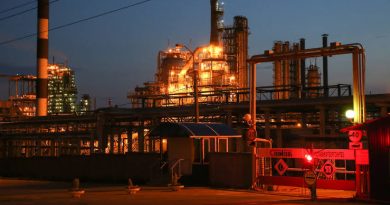
The production deficit stems directly from a sustained campaign of Ukrainian drone strikes targeting Russian oil refineries and fuel processing facilities. Over the past several months, Ukrainian forces have systematically attacked key refining installations deep within Russian territory, causing substantial damage to critical infrastructure that processes crude oil into usable fuels. These strikes have forced multiple facilities to operate at reduced capacity or shut down entirely for extended repair periods, creating a cascading effect throughout Russia’s fuel supply chain.
The strategic importance of these attacks cannot be overstated. Russia possesses one of the world’s largest refining capacities, with dozens of major facilities spread across its territory capable of processing millions of barrels of crude oil daily. Before the current conflict, Russian refineries operated at high utilization rates, producing enough gasoline, diesel, and other petroleum products to meet domestic needs while also exporting significant quantities to international markets. The current production shortfall marks a dramatic reversal of this situation, forcing Russian authorities to consider emergency measures including potential import arrangements and strict export restrictions.
Industry experts note that repairing damaged refinery equipment is a complex and time-consuming process. Modern refineries contain sophisticated processing units, including catalytic crackers, hydrotreaters, and reformers, which require specialized components that may now be difficult for Russia to obtain due to Western sanctions. Some analysts estimate that fully restoring damaged facilities could take anywhere from several months to over a year, depending on the severity of the damage and the availability of replacement parts and qualified technicians.
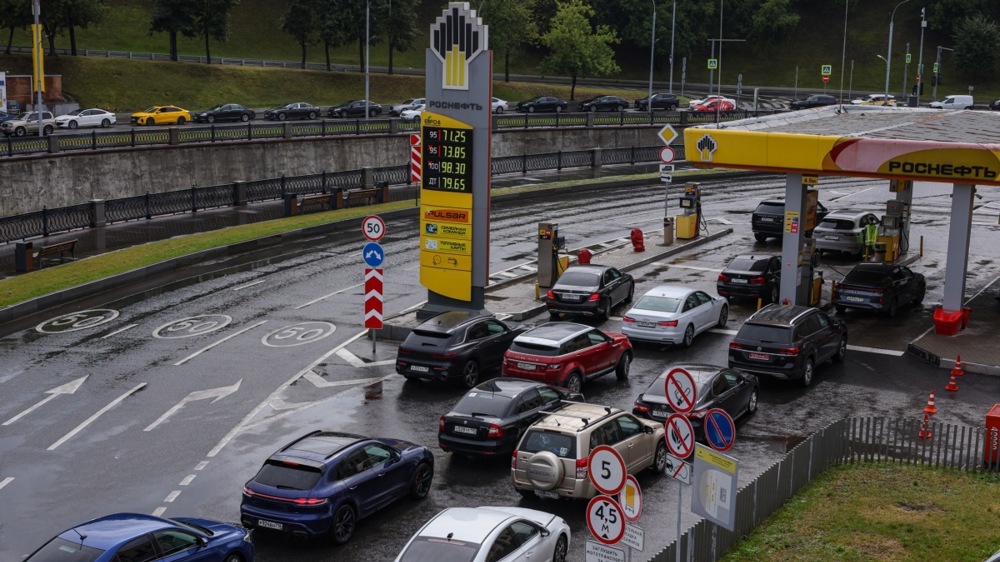
The Russian government has responded to the crisis by implementing various countermeasures. Authorities have temporarily banned gasoline exports on multiple occasions to preserve domestic supplies, a move that has impacted traditional buyers of Russian fuel in neighboring countries and beyond. Additionally, reports suggest that Russia has been quietly increasing fuel imports from Belarus and Kazakhstan, though the exact volumes remain unclear. Some regions have reportedly experienced sporadic fuel shortages and price increases, though official Russian sources have downplayed the severity of these disruptions.
Historical context illuminates the significance of these developments. During the Soviet era, the country’s refining infrastructure was built primarily to serve the domestic market and allied nations, with facilities strategically distributed across the territory. Following the Soviet collapse, many of these refineries fell under the control of major Russian oil companies and underwent partial modernization. However, the industry remained dependent on Soviet-era designs and foreign technology for key components, a vulnerability that Western sanctions have now exposed. The current situation represents perhaps the most significant disruption to Russian fuel production since the chaotic 1990s transition period.
Looking ahead, energy market analysts suggest that the ongoing attacks on Russian refining capacity could have broader implications for global fuel markets. While Russia has been largely cut off from Western markets due to sanctions, it has redirected crude oil exports to Asian buyers, particularly China and India. However, refined product shortages within Russia could force the country to redirect more crude for domestic processing or increase refined product imports, potentially affecting global supply dynamics. The situation remains fluid, with Ukrainian forces showing no signs of halting their campaign against Russian energy infrastructure, suggesting that production challenges may persist or even worsen in the coming months.