
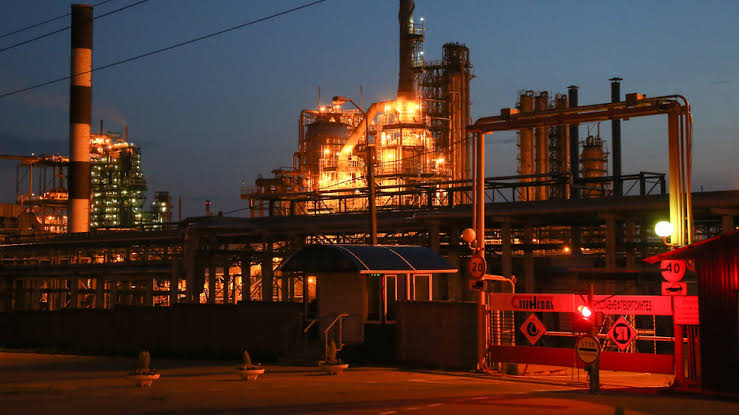
Russia’s Oil Refining Capacity Plummets to Lowest Level Since 2005 Amid Unprecedented Infrastructure Attacks
Russia’s oil refining industry has suffered a dramatic decline, with processing volumes dropping to their lowest levels in nearly two decades. According to recent reports, a sustained campaign targeting the country’s petroleum infrastructure has affected at least 24 of Russia’s 34 major oil refineries, representing a significant blow to one of the world’s largest energy producers and a critical source of revenue for the Russian government.
The systematic attacks on Russian refining capacity mark an unprecedented escalation in efforts to disrupt the country’s energy sector. These strikes have successfully reduced Russia’s ability to process crude oil into valuable refined products such as gasoline, diesel, and jet fuel. The refineries targeted span across the vast Russian territory, from facilities near the western borders to installations deep in the country’s interior, demonstrating the widespread nature of the campaign.
The implications of this decline extend far beyond simple production statistics. Russia’s oil refining industry has historically been a cornerstone of its economy, providing not only domestic fuel supplies but also generating substantial export revenues. Russian refineries have a combined processing capacity of approximately 6 million barrels per day, making the country one of the world’s top refined product exporters. The current disruptions threaten both domestic fuel availability and the country’s ability to earn foreign currency through petroleum exports at a time when international sanctions have already constrained its economic options.
Historical context reveals the magnitude of this setback. The last time Russian refining volumes were at comparable levels was in 2005, a period when the country was still rebuilding its energy infrastructure following the economic turbulence of the post-Soviet era. In the intervening years, Russia invested heavily in modernizing its refining sector, upgrading facilities to produce cleaner fuels that meet European standards and expanding capacity to capture more value from its vast crude oil reserves.
Energy analysts suggest that the damage to Russian refining infrastructure could take considerable time and resources to repair. Modern oil refineries are complex industrial facilities that require specialized equipment, much of which is subject to international export restrictions. Replacement parts and advanced technology previously sourced from Western suppliers are now largely unavailable due to sanctions, forcing Russia to seek alternatives from China and other non-aligned nations or attempt domestic production of critical components.
The global energy market has been closely monitoring these developments. While reduced Russian refining capacity could theoretically tighten global supplies of refined products, the impact has been somewhat mitigated by Russia’s continued crude oil exports, which are then processed elsewhere. However, regional fuel markets, particularly in areas traditionally supplied by Russian refineries, have experienced increased volatility. Neighboring countries that previously relied on Russian diesel and gasoline imports have been forced to seek alternative suppliers, often at higher costs.
Looking ahead, the situation presents significant challenges for Russia’s energy sector planners. Restoring full refining capacity will require not only physical repairs but also addressing security vulnerabilities that allowed the attacks to succeed. Some industry observers speculate that Russia may need to fundamentally reconsider the geographic distribution of its refining assets, potentially relocating capacity to more defensible locations further from potential strike ranges. In the meantime, the country faces the prospect of becoming more dependent on crude oil exports while importing refined products to meet domestic demand—a reversal of its traditional role in global energy markets and a significant strategic setback for the world’s third-largest oil producer.