Strategic Move: Why Varus is Acquiring Kolo Supermarket Chain in Major Ukrainian Retail Deal
The Ukrainian retail landscape is undergoing a significant transformation as Varus, the Dnipro-based supermarket chain, announces its acquisition of the Kolo retail network in what analysts are calling one of the most strategic mergers and acquisitions deals in the country’s grocery sector this year. This bold expansion move is set to dramatically strengthen Varus’s footprint in Kyiv, Ukraine’s capital city and largest consumer market, marking a pivotal moment in the ongoing consolidation of the Ukrainian retail industry.
According to retail expert Andriy Shostak, the acquisition represents a calculated strategic decision rather than merely an opportunistic purchase. Shostak explained that Varus has been seeking to expand its presence in the Kyiv market for years, and acquiring an established network like Kolo provides immediate access to prime retail locations, existing customer bases, and operational infrastructure that would take years to build organically. The deal allows Varus to bypass the challenging and time-consuming process of securing new retail space in the highly competitive capital city market.
The Varus retail chain, founded in Dnipro in 2003, has grown to become one of Ukraine’s most recognized regional supermarket brands. Operating primarily in central and eastern Ukraine, the company has built its reputation on offering a wide range of products at competitive prices while maintaining strong relationships with local suppliers. The chain currently operates dozens of stores across multiple Ukrainian cities, employing thousands of workers and serving millions of customers annually. This expansion into Kyiv represents the company’s most ambitious growth initiative to date.
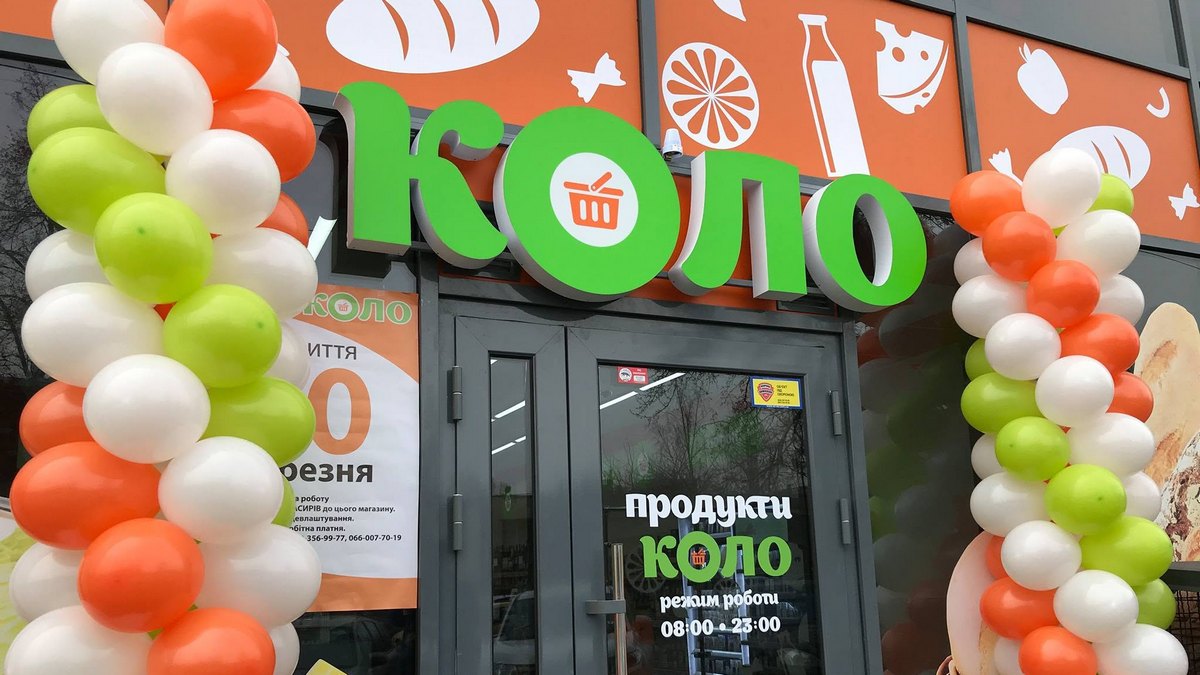
The Kolo supermarket network, while smaller in overall scale, has established a loyal customer following in Kyiv through its neighborhood-focused approach and convenient locations. The chain has positioned itself as a community-oriented retailer, often situated in residential areas where accessibility and familiarity matter most to daily shoppers. These characteristics make Kolo’s assets particularly valuable for any retailer seeking to penetrate the Kyiv market without starting from scratch.
This acquisition comes at a particularly significant time for the Ukrainian retail sector, which has demonstrated remarkable resilience despite the ongoing challenges facing the country. The grocery retail industry has adapted to wartime conditions, implementing new supply chain strategies, adjusting operating hours, and finding innovative ways to serve customers even in difficult circumstances. Industry analysts note that consolidation activity has actually increased as stronger players seek to acquire assets from those struggling to maintain operations, leading to a reshaping of the competitive landscape.
The Ukrainian retail market has historically been characterized by a mix of international chains, national networks, and regional players. However, recent years have seen a trend toward consolidation, with larger domestic retailers expanding their market share through both organic growth and acquisitions. This pattern mirrors developments in other emerging markets, where retail sector maturation typically leads to fewer but larger competitors. Shostak suggests that the Varus-Kolo deal could trigger additional M&A activity as other retailers seek to strengthen their competitive positions before attractive acquisition targets disappear from the market.
For Varus, the strategic benefits extend beyond simple geographic expansion. The acquisition provides economies of scale in purchasing, logistics, and marketing that can improve overall profitability. A larger store network enables better negotiating power with suppliers, more efficient distribution operations, and broader reach for advertising investments. Additionally, the combined entity will have greater resources to invest in technology, store modernization, and e-commerce capabilities that are increasingly important in contemporary retail competition.
Looking ahead, the success of this integration will depend on how effectively Varus can merge the two organizations while retaining the local appeal that made Kolo attractive to its customers in the first place. Retail mergers often face challenges in harmonizing corporate cultures, standardizing operations, and maintaining service quality during transition periods. However, if executed well, the deal positions Varus as a significantly stronger competitor in Ukraine’s most important retail market, potentially setting the stage for further expansion and establishing the company as a truly national retail brand.