Russia Withdraws 200 Drone Crews from Frontlines to Protect Shadow Fleet, Ukrainian Commander Claims
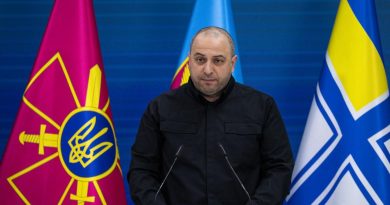
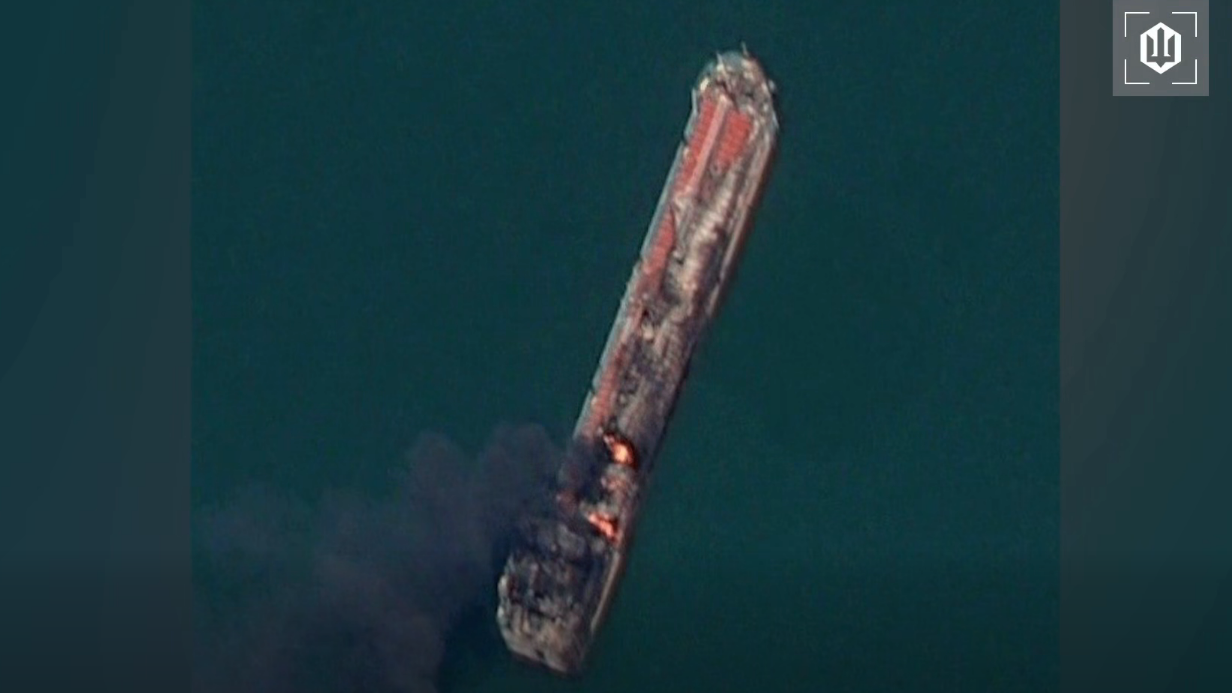
In a significant development that could reshape the dynamics of the ongoing conflict, Ukrainian forces have reportedly forced Russia to redeploy substantial drone warfare assets away from the front lines. According to Madyar, the commander of Ukraine’s Special Operations Forces (SBS), Russia has been compelled to withdraw approximately 200 ‘Rubikon’ drone crews from active combat zones to protect its so-called shadow fleet of oil tankers and cargo vessels in response to Operation ‘MoLoChKa’ – a systematic Ukrainian campaign targeting Russian maritime assets.
The withdrawal represents a notable shift in Russian military priorities and demonstrates the growing effectiveness of Ukraine’s asymmetric warfare strategy. The Rubikon system, known for its precision strike capabilities and advanced reconnaissance features, has been a crucial component of Russia’s drone warfare arsenal along the line of contact. Each crew typically consists of trained operators capable of conducting surveillance, artillery coordination, and direct strike missions, making the redeployment of 200 such units a substantial reduction in Russia’s frontline capabilities.
Operation MoLoChKa, whose acronym cleverly spells out the Ukrainian word for ‘milk,’ has been targeting Russia’s shadow fleet – a collection of aging tankers and vessels used to circumvent Western sanctions on Russian oil exports. Since the imposition of stringent energy sanctions following the 2022 invasion, Russia has increasingly relied on this fleet of often unmarked or re-flagged vessels to continue selling oil on global markets. Intelligence estimates suggest the shadow fleet comprises over 600 vessels, many of which operate with inadequate insurance and falsified documentation, transporting millions of barrels of Russian crude oil monthly to buyers in Asia, the Middle East, and Africa.
The strategic importance of this shadow fleet to the Russian economy cannot be overstated. Oil and gas revenues have historically constituted approximately 40-50% of Russia’s federal budget, and despite Western sanctions, Russia has managed to maintain substantial export volumes through these clandestine maritime operations. By threatening this critical economic lifeline, Ukrainian forces have apparently succeeded in forcing Moscow to make difficult choices about resource allocation between protecting economic assets and maintaining military pressure on the front lines.
Military analysts have long observed that modern warfare increasingly involves targeting an adversary’s economic infrastructure alongside traditional military objectives. The Ukrainian strategy of attacking Russia’s maritime commerce mirrors similar approaches used throughout military history, from the Union’s naval blockade during the American Civil War to Britain’s naval campaigns against German shipping in both World Wars. What makes the current situation unique is the integration of drone technology, which allows relatively small, mobile units to threaten large, valuable targets across vast distances.
The Rubikon system itself represents a sophisticated evolution in Russian drone warfare capabilities. Developed as part of Russia’s broader push to modernize its unmanned aerial systems, these units combine surveillance drones with strike capabilities and have been credited with numerous successful operations against Ukrainian positions. Their redeployment suggests that Russian military planners view the threat to the shadow fleet as sufficiently serious to warrant weakening their offensive and defensive capabilities along the approximately 1,000-kilometer front line that stretches across eastern and southern Ukraine.
For Ukrainian forces, this development offers potential tactical advantages at a critical juncture in the conflict. The reduction in Russian drone surveillance and strike capabilities could provide Ukrainian units with greater freedom of movement and reduced casualties from precision strikes. Additionally, the success of Operation MoLoChKa demonstrates Ukraine’s ability to project power beyond the immediate battlefield and target strategic Russian assets, potentially opening new avenues for pressure as both sides prepare for what many analysts expect to be a decisive phase in the conflict.
The broader implications of this strategy extend beyond immediate military gains. By demonstrating the vulnerability of Russia’s sanctions-evasion infrastructure, Ukraine may be sending a message to potential buyers of Russian oil and the shipping companies that facilitate these transactions. The risk calculus for participating in Russia’s shadow fleet operations has clearly shifted, and this could have long-term consequences for Russia’s ability to finance its military operations through continued energy exports. As the conflict enters its third year, such economic warfare strategies may prove as consequential as territorial gains in determining the ultimate outcome.