Ukraine and Lithuania Discuss Potential Locomotive Transfer to Support Ukrzaliznytsia Railway Operations
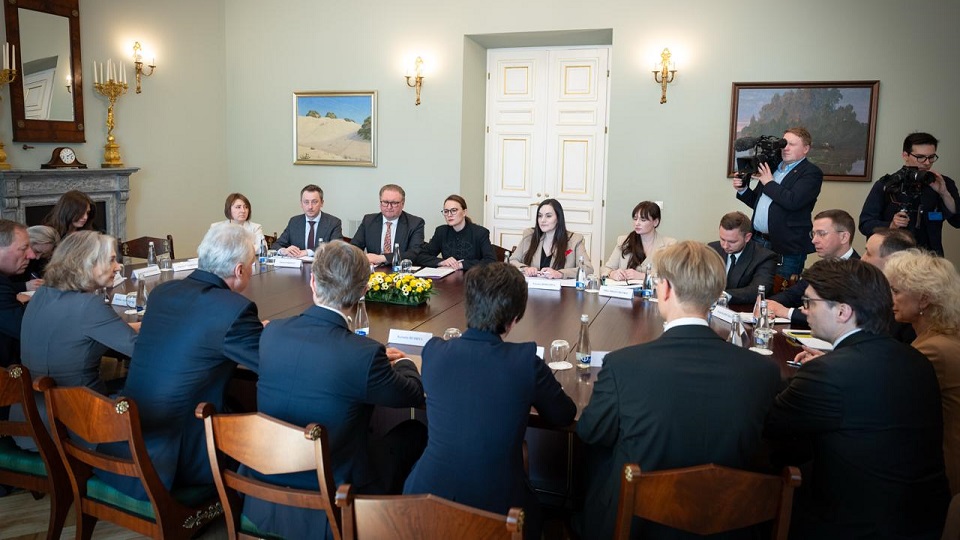
Ukrainian officials have engaged in high-level discussions with their Lithuanian counterparts regarding the potential transfer of locomotives to support Ukraine’s state railway company, Ukrzaliznytsia. The talks took place during an official visit by a Ukrainian delegation to Lithuania, highlighting the deepening cooperation between the two nations as Ukraine continues to face significant infrastructure challenges amid the ongoing conflict with Russia.
The potential locomotive transfer represents another chapter in Lithuania’s steadfast support for Ukraine since the full-scale invasion began in February 2022. Lithuania, a Baltic nation with strong historical ties to Ukraine and shared concerns about Russian aggression, has been among the most vocal European supporters of Ukrainian sovereignty. The country has provided military aid, humanitarian assistance, and political backing throughout the conflict, and this latest discussion on railway cooperation demonstrates a willingness to extend support to critical civilian infrastructure sectors.
Ukrzaliznytsia, Ukraine’s national railway operator, has faced unprecedented challenges since the war began. The railway network has become a lifeline for the country, facilitating both the evacuation of civilians from conflict zones and the transportation of essential goods, including grain exports that are vital to global food security. However, the railway system has suffered significant damage from Russian strikes targeting infrastructure, and the intensive wartime operations have placed enormous strain on aging locomotive fleets that were already in need of modernization before the conflict.
The Ukrainian railway network spans approximately 22,000 kilometers, making it one of the largest in Europe. Before the war, Ukrzaliznytsia operated thousands of locomotives of various types, many dating back to the Soviet era. The company had been gradually working on fleet renewal programs, but the onset of hostilities dramatically accelerated the need for additional rolling stock while simultaneously disrupting procurement plans and maintenance schedules. Railway workers have become unsung heroes of the war effort, keeping trains running despite missile attacks and operating under extremely dangerous conditions.
Lithuania’s railway system operates on the same broad gauge track (1,520 mm) as Ukraine, a legacy of both nations’ Soviet past. This technical compatibility makes the transfer of locomotives between the two countries practically feasible without requiring significant modifications. Lithuanian Railways (Lietuvos Geležinkeliai) has been undergoing its own modernization efforts, which may result in surplus older locomotives that could still provide valuable service in Ukraine. The shared gauge is a significant advantage, as many Western European nations use standard gauge tracks that would be incompatible with Ukrainian infrastructure.
European partners have recognized the strategic importance of supporting Ukraine’s railway network. The European Union and various member states have provided financial assistance and technical support for railway repairs and operations. Rail transport has proven especially critical for grain exports through the EU Solidarity Lanes initiative, which was established after Russia’s blockade of Black Sea ports disrupted traditional shipping routes. Millions of tons of Ukrainian agricultural products have been transported by rail through Poland, Romania, and other neighboring countries, with the railway network serving as an economic lifeline for the war-torn nation.
The discussions between Ukraine and Lithuania also reflect broader Baltic solidarity with Kyiv. Estonia, Latvia, and Lithuania have consistently advocated for stronger Western support for Ukraine within NATO and EU forums. These nations, which regained independence from the Soviet Union in 1991, view Ukraine’s struggle as directly connected to their own security concerns. The potential locomotive transfer, while seemingly a technical matter, carries symbolic weight as an example of practical solidarity extending beyond military assistance to encompass the full spectrum of Ukraine’s wartime needs.
Further details regarding the specific number and types of locomotives under consideration, as well as the timeline for any potential transfer, have not yet been publicly disclosed. Both governments are expected to continue negotiations as they work out the technical and logistical aspects of the arrangement. For Ukrzaliznytsia, any additional locomotives would provide welcome relief for an overstretched system that continues to play a crucial role in Ukraine’s wartime resilience and eventual recovery efforts.