
“It Will Be a Shock”: How the AI Boom Is Driving Up Smartphone and Electronics Prices in Ukraine
The global consumer electronics market is experiencing a significant transformation as the artificial intelligence revolution reshapes supply chains, manufacturing priorities, and ultimately, retail prices. Ukraine, despite being engaged in an ongoing conflict, is not immune to these global market forces. Ukrainian consumers are now facing rising prices on smartphones, laptops, and other electronic devices as the insatiable demand for AI computing power redirects critical components away from traditional consumer products.
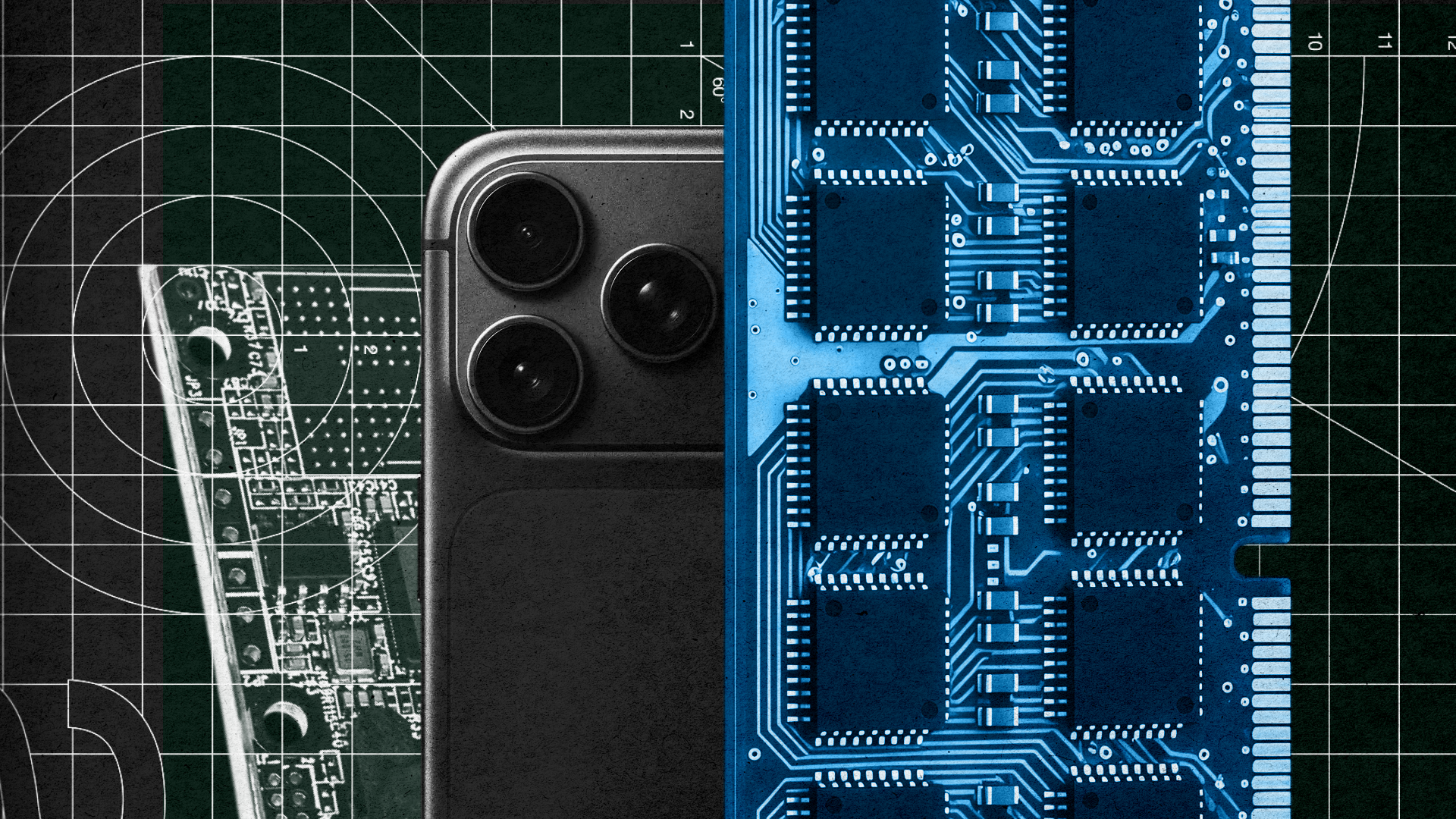
The core of this price surge lies in the semiconductor industry, where manufacturers are increasingly prioritizing chips designed for AI applications over those used in everyday consumer electronics. Companies like NVIDIA, AMD, and Intel are channeling their most advanced manufacturing capacity toward producing graphics processing units (GPUs) and specialized AI accelerators that power data centers, cloud computing services, and machine learning applications. This shift has created a bottleneck in the production of standard processors and memory chips used in smartphones, tablets, and personal computers, leading to supply shortages and inevitably higher prices.
Industry analysts have been warning about this trend for months. The global AI market is projected to reach over $1.8 trillion by 2030, according to various estimates, and the infrastructure required to support this growth demands enormous quantities of advanced semiconductors. Major tech companies including Microsoft, Google, Amazon, and Meta are investing billions of dollars in AI data centers, each requiring thousands of high-performance chips. This unprecedented corporate spending spree has created fierce competition for limited manufacturing capacity at foundries like TSMC in Taiwan, which produces the vast majority of the world’s most advanced chips.
For Ukrainian retailers and consumers, the impact is becoming increasingly tangible. Electronics importers report that wholesale prices for popular smartphone brands have increased by 10-15% over the past year, with some models seeing even steeper hikes. This comes at a particularly challenging time for Ukrainian consumers, who are already dealing with wartime economic pressures, currency fluctuations, and reduced purchasing power. The combination of global supply chain disruptions and AI-driven component shortages is creating what some market observers describe as a “perfect storm” for electronics pricing.
The situation is further complicated by geopolitical factors that have reshaped global trade patterns. Export restrictions on advanced chips to China, implemented by the United States and its allies, have created additional market distortions. Chinese manufacturers, cut off from the most advanced Western technology, are stockpiling available components and seeking alternative suppliers, adding more pressure to an already strained market. Meanwhile, efforts to diversify chip manufacturing away from Taiwan—driven by concerns over potential Chinese aggression—are still years away from producing meaningful results, leaving the supply chain vulnerable to disruptions.
Memory chip prices, which had been declining for several years due to oversupply, have also begun climbing again. DRAM and NAND flash memory, essential components in everything from smartphones to solid-state drives, are seeing renewed demand from AI applications that require massive amounts of high-speed memory. This reversal has caught many in the industry off guard, as the memory market had been in a prolonged downturn that forced some manufacturers to cut production. The sudden surge in AI-related demand has quickly absorbed excess inventory and is now pushing prices upward across all market segments.
Ukrainian electronics retailers are adapting to these new realities in various ways. Some are adjusting their product mix, focusing on mid-range devices that offer better value propositions for budget-conscious consumers. Others are exploring alternative brands from Chinese manufacturers like Xiaomi and Realme, which often provide competitive specifications at lower price points. However, even these alternatives are not immune to the global component shortage, and their prices too are beginning to reflect the new market dynamics.
Looking ahead, industry experts suggest that relief may not come quickly. The construction of new semiconductor fabrication plants—so-called “fabs”—takes years and requires investments measured in tens of billions of dollars. While the United States and European Union have launched ambitious programs to boost domestic chip production, these facilities will not reach full capacity until the late 2020s at the earliest. In the meantime, consumers worldwide, including in Ukraine, will likely continue to feel the effects of the AI boom in their wallets. For Ukrainians already navigating the economic challenges of wartime, this represents yet another burden, though one shared with consumers across the globe as the AI revolution reshapes the technological landscape.