Pay Ukrainians $1,000 and Migrant Workers Become Unnecessary: Interview with CEO of Akhmetov’s Agricultural Holding
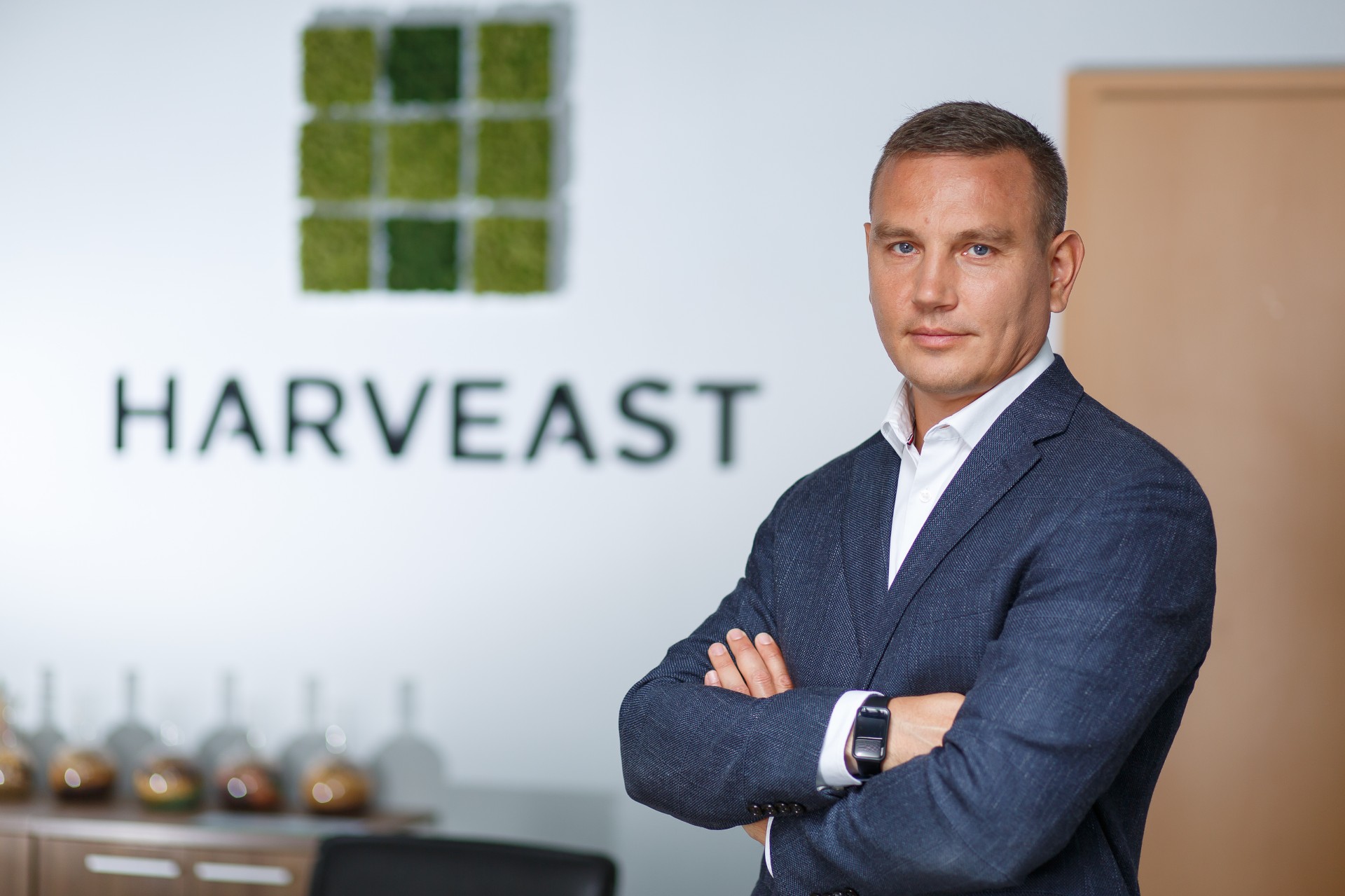
Dmytro Skornyakov, the head of HarvEast, one of Ukraine’s largest agricultural holdings owned by billionaire Rinat Akhmetov, has shared his insights on how military doctrine principles have helped transform agricultural business operations during wartime. In a revealing interview, the CEO discussed the challenges of maintaining productivity in conflict zones while addressing one of the most pressing issues facing Ukrainian agriculture today — the massive labor shortage caused by millions of citizens fleeing abroad.
The agricultural sector in Ukraine has been fundamentally reshaped since the full-scale Russian invasion began in February 2022. With an estimated 6-8 million Ukrainians having left the country as refugees, and hundreds of thousands more serving in the armed forces, businesses across all sectors have struggled to find workers. Agriculture, traditionally reliant on seasonal labor and manual work in rural areas, has been hit particularly hard. Skornyakov’s approach to solving this crisis has been straightforward yet revolutionary for the Ukrainian context: pay workers significantly higher wages.
According to Skornyakov, offering Ukrainian workers salaries of approximately $1,000 per month — substantially higher than the pre-war agricultural average — effectively eliminates the need for migrant labor that many European farms have come to depend upon. This wage level, while modest by Western European standards, represents a significant increase for Ukrainian agricultural workers who previously earned far less. The CEO argues that competitive compensation not only attracts workers but also increases their productivity and loyalty to the company, creating a more stable workforce even during uncertain times.
HarvEast operates primarily in the Donetsk region, one of the areas most affected by the ongoing conflict. The company manages over 100,000 hectares of agricultural land, making it one of the largest farming operations in eastern Ukraine. Operating in such a challenging environment has required Skornyakov and his team to adapt military strategic thinking to business operations. The CEO explained that concepts such as logistics planning under hostile conditions, rapid decision-making, and maintaining operations despite constant threats have become essential management skills in the current environment.
The application of military doctrine to agricultural business extends beyond mere survival tactics. Skornyakov emphasized that principles like decentralized command, where local managers are empowered to make quick decisions without waiting for headquarters approval, have proven invaluable when communication lines can be disrupted at any moment. Similarly, maintaining redundant supply chains and having backup plans for every critical operation mirrors military contingency planning. These adaptations have allowed HarvEast to continue operations even as other agricultural companies have been forced to abandon their land or significantly reduce production.
Rinat Akhmetov, the owner of HarvEast and Ukraine’s wealthiest individual, has seen his business empire dramatically affected by the war. Before 2022, much of his industrial assets were concentrated in the Donbas region, including the massive Azovstal steel plant in Mariupol that became a symbol of Ukrainian resistance during the early months of the invasion. The destruction of these assets has shifted focus toward his agricultural holdings, which have become increasingly important to both his business portfolio and Ukraine’s overall food security. Ukraine remains one of the world’s largest grain exporters, and maintaining agricultural production is considered vital for both the national economy and global food supplies.
The labor market dynamics Skornyakov describes reflect a broader transformation occurring across Ukrainian society. The war has accelerated wage growth in sectors that can afford to pay more, while simultaneously creating severe worker shortages in others. Some economists argue that this wage pressure, while painful for businesses in the short term, could ultimately lead to a more productive and higher-wage economy if Ukraine can rebuild after the conflict. However, others warn that the demographic losses — both from emigration and casualties — may create lasting challenges that higher wages alone cannot solve.
Looking forward, Skornyakov’s experience offers lessons that may prove valuable beyond Ukraine’s borders. As climate change and geopolitical instability increasingly threaten agricultural systems worldwide, the ability to maintain food production under adverse conditions becomes ever more critical. The combination of competitive wages, military-style operational planning, and adaptive management that HarvEast has developed represents a model that other agricultural operations in conflict or crisis zones might study and adapt. For now, however, the primary focus remains on survival and maintaining production while hoping for an eventual peace that would allow Ukrainian agriculture to fully recover and thrive once again.