
Losses of 100,000 Units: How Ukrainian Fashion Brand Rikky Hype Is Rebuilding After Russian Attack Destroys Warehouse
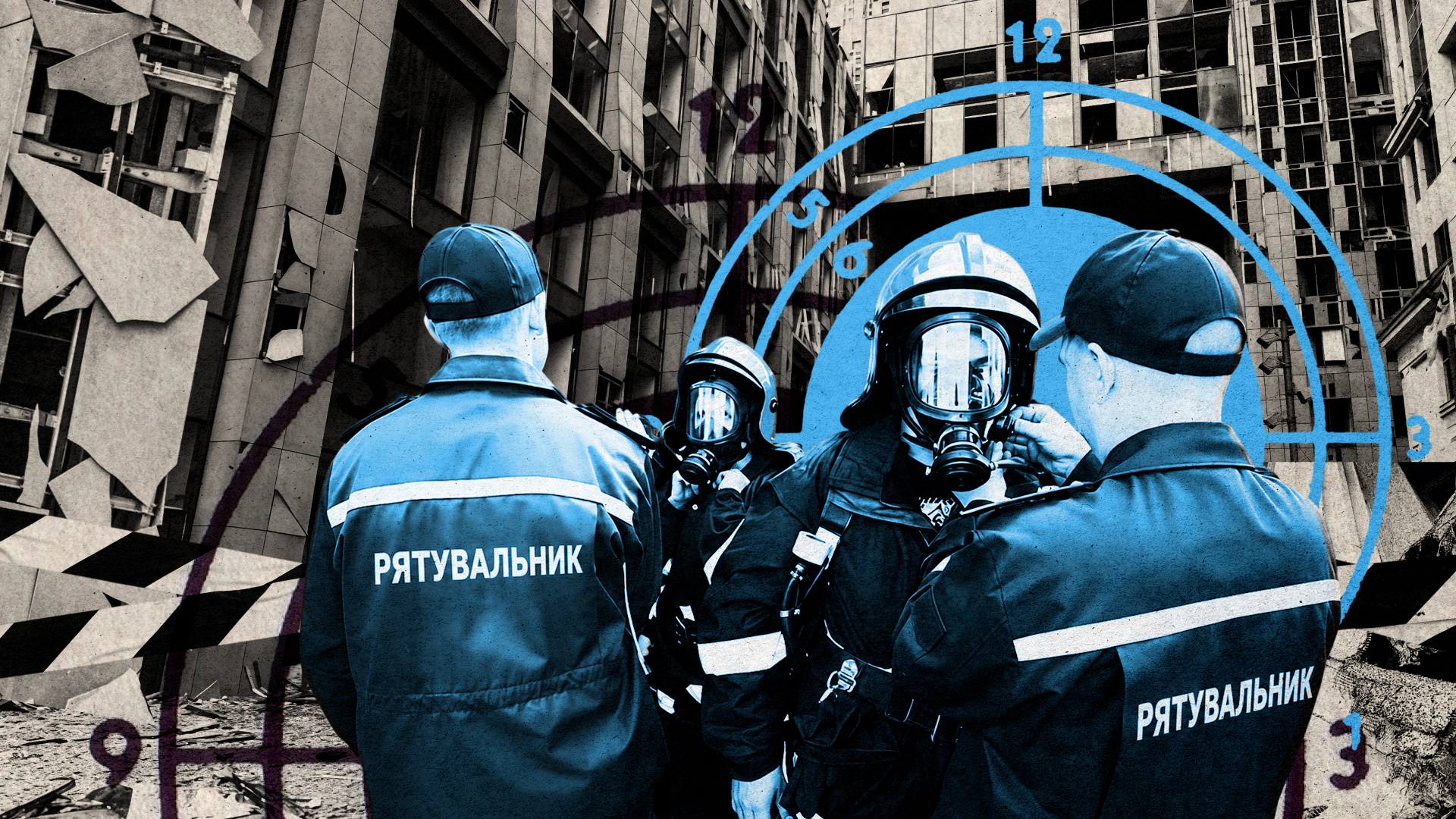
In the early hours of May 24, 2025, a Russian missile strike devastated the warehouse and production facilities of Rikky Hype, one of Ukraine’s most popular contemporary fashion brands. The attack, which occurred during another night of intense bombardment targeting Ukrainian infrastructure, left the company facing catastrophic losses estimated at approximately 100,000 units of clothing and accessories. The destruction represents not just a financial blow to the business, but another tragic example of how Russia’s ongoing war continues to disrupt Ukrainian civilian enterprises and the lives of ordinary entrepreneurs trying to build something meaningful amid conflict.
Rikky Hype had established itself as a symbol of Ukrainian youth culture and street fashion since its founding, building a loyal customer base both domestically and internationally. The brand became known for its bold designs, affordable pricing, and strong social media presence that resonated particularly with younger consumers. Like many Ukrainian businesses, Rikky Hype had already adapted to wartime conditions over the past three years, relocating operations, diversifying supply chains, and finding ways to continue serving customers despite constant uncertainty. The warehouse that was destroyed reportedly housed the company’s main inventory, including seasonal collections that were ready for distribution.
The broader context of this attack reflects Russia’s systematic targeting of Ukrainian economic infrastructure throughout the war. Since the full-scale invasion began in February 2022, thousands of Ukrainian businesses have suffered direct damage from military strikes, with the World Bank estimating total infrastructure damage exceeding $150 billion. Fashion and retail companies have been particularly vulnerable, as their operations require centralized storage facilities and manufacturing plants that cannot easily be dispersed or hidden. Industry analysts note that each destroyed business represents not only immediate economic losses but also long-term consequences for employment, tax revenue, and Ukraine’s post-war recovery prospects.
Despite the devastating blow, Rikky Hype’s leadership has announced plans to rebuild and continue operations. The company’s resilience mirrors that of countless Ukrainian enterprises that have refused to close their doors despite repeated setbacks. In statements following the attack, company representatives emphasized their commitment to their employees, customers, and the broader mission of maintaining Ukrainian economic activity during wartime. This determination has become characteristic of Ukrainian business culture since 2022, with entrepreneurs viewing their continued operation as both an economic necessity and an act of resistance against Russian aggression.
The recovery process will likely involve significant challenges, including securing new facilities, rebuilding inventory from scratch, and managing cash flow during the reconstruction period. Ukrainian businesses in similar situations have often relied on a combination of insurance claims, government support programs, international aid, and crowdfunding from loyal customers. The Ukrainian government has established various mechanisms to assist war-affected businesses, though resources remain limited given the country’s broader wartime budget constraints. International organizations and Western governments have also provided grants and loans to help Ukrainian enterprises survive and rebuild.
The fashion industry’s response to the war has been notable, with many Ukrainian designers and brands gaining international recognition precisely because of their wartime stories. Brands like Rikky Hype represent a new generation of Ukrainian creative entrepreneurs who have built globally competitive businesses while navigating extraordinary circumstances. Fashion weeks in Paris, Milan, and New York have increasingly featured Ukrainian designers, and consumer interest in supporting Ukrainian brands has grown substantially in Western markets. This international solidarity could prove crucial for Rikky Hype’s recovery, potentially opening new export opportunities that might help offset domestic losses.
As Rikky Hype begins the long process of rebuilding, their story serves as both a tragedy and a testament to Ukrainian resilience. The loss of 100,000 units represents years of work, investment, and creative effort destroyed in a single night. Yet the company’s determination to continue reflects the broader Ukrainian spirit that has defined the nation’s response to invasion. For the brand’s employees, customers, and supporters, the path forward will require patience, resources, and continued solidarity. The fashion industry, like so many sectors of Ukrainian society, continues to operate in the shadow of war, finding ways to create beauty and commerce even as destruction surrounds them.