
Russia Considers Arming Grain Carriers to Protect Against Drone Attacks in the Sea of Azov
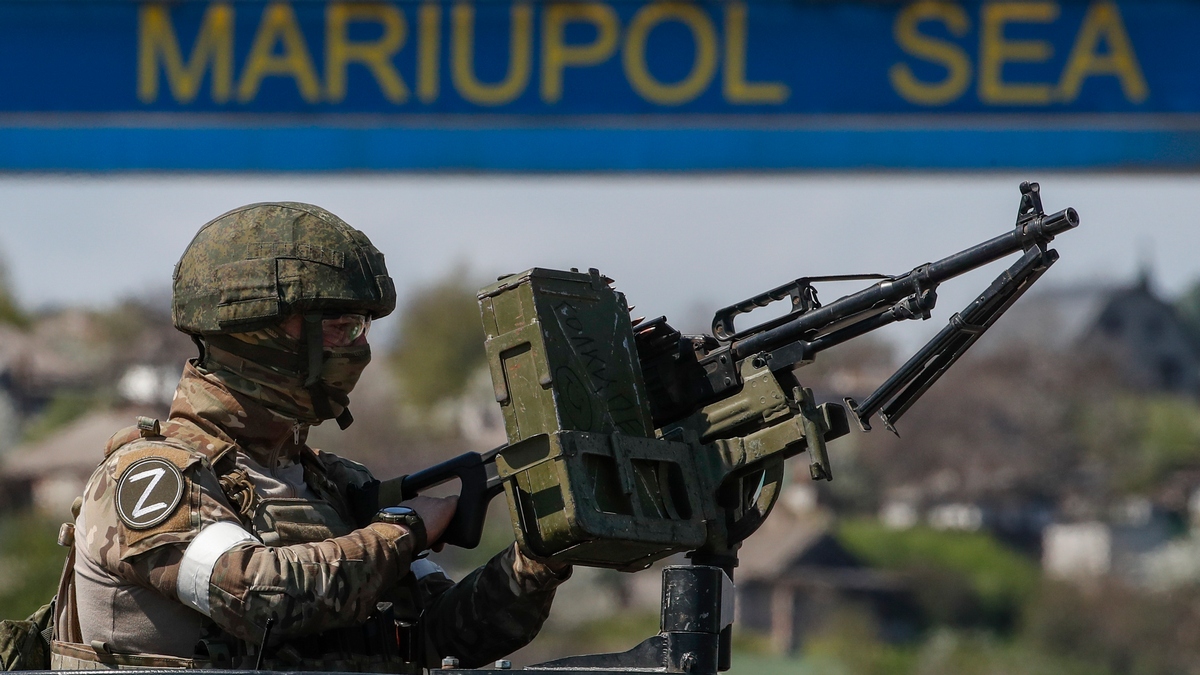
Russian authorities are reportedly considering a dramatic escalation in maritime security measures, with proposals to arm bulk grain carriers operating in the Sea of Azov as protection against increasing drone threats. According to Bloomberg, the plan would see commercial vessels equipped with defensive weaponry while also potentially operating in convoy formations escorted by military patrol boats. This unprecedented measure reflects the growing vulnerability of civilian shipping in waters that have become increasingly contested since the outbreak of the conflict in Ukraine.
The Sea of Azov, a shallow inland sea connected to the Black Sea through the narrow Kerch Strait, has historically served as a crucial waterway for Russian agricultural exports. The region’s ports, including Rostov-on-Don and Taganrog, handle millions of tons of grain annually, making Russia one of the world’s largest wheat exporters. The proposed security measures highlight how the ongoing conflict has transformed what was once considered relatively safe territorial waters into a zone requiring military-level protection for commercial operations.
The threat from unmanned aerial vehicles has emerged as one of the most significant challenges facing maritime operations in the region. Ukrainian forces have demonstrated sophisticated capabilities in deploying both aerial and naval drones against Russian targets, successfully striking vessels, port infrastructure, and even ships of the Russian Black Sea Fleet. These attacks have fundamentally altered the security calculus for commercial shipping, forcing Russian authorities to develop new protective strategies that blur the traditional lines between civilian and military operations.
Maritime security experts suggest that arming commercial vessels represents a significant departure from international maritime norms. Under normal circumstances, merchant ships rely on naval escorts or avoid dangerous waters altogether rather than carrying weapons themselves. The proposal to equip grain carriers with defensive armaments raises complex questions about international maritime law, insurance implications, and the potential for escalation. Shipping industry analysts note that such measures could complicate port calls in foreign countries, where armed merchant vessels might face regulatory obstacles or heightened scrutiny.
The convoy system being considered echoes historical precedents from both World Wars, when merchant vessels gathered in groups protected by naval escorts to minimize losses from submarine attacks. During World War II, convoy operations in the Atlantic proved essential for maintaining supply lines between North America and Europe. While modern threats differ significantly from those of the twentieth century, the fundamental principle of collective protection through grouped transit remains relevant. Russian authorities appear to be adapting these time-tested strategies to address contemporary asymmetric warfare challenges posed by drone technology.
Russia’s agricultural export sector has faced numerous challenges since 2022, including sanctions-related complications with shipping insurance, payment processing, and access to foreign ports. Despite these obstacles, Russian grain exports have remained robust, with the country maintaining its position among the top global wheat suppliers. The proposed security measures aim to ensure continuity of these vital exports, which generate significant revenue for the Russian economy and play an important role in global food security. International grain markets have closely monitored developments in the Black Sea region, with any disruption to Russian exports potentially affecting prices worldwide.
The situation in the Sea of Azov reflects broader trends in modern warfare, where relatively inexpensive drone technology can pose significant threats to much larger and more valuable assets. Naval analysts have observed that the conflict in Ukraine has served as a testing ground for new tactics and technologies that may reshape maritime doctrine globally. The successful use of unmanned systems against warships and commercial vessels has prompted navies worldwide to reassess their defensive capabilities and develop countermeasures. Russia’s proposed solution of arming grain carriers represents one approach to this evolving challenge, though its effectiveness and broader implications remain to be seen as the security situation in the region continues to develop.