Former Ukrainian MP Arrested at Polish Border While Attempting to Flee Corruption Charges
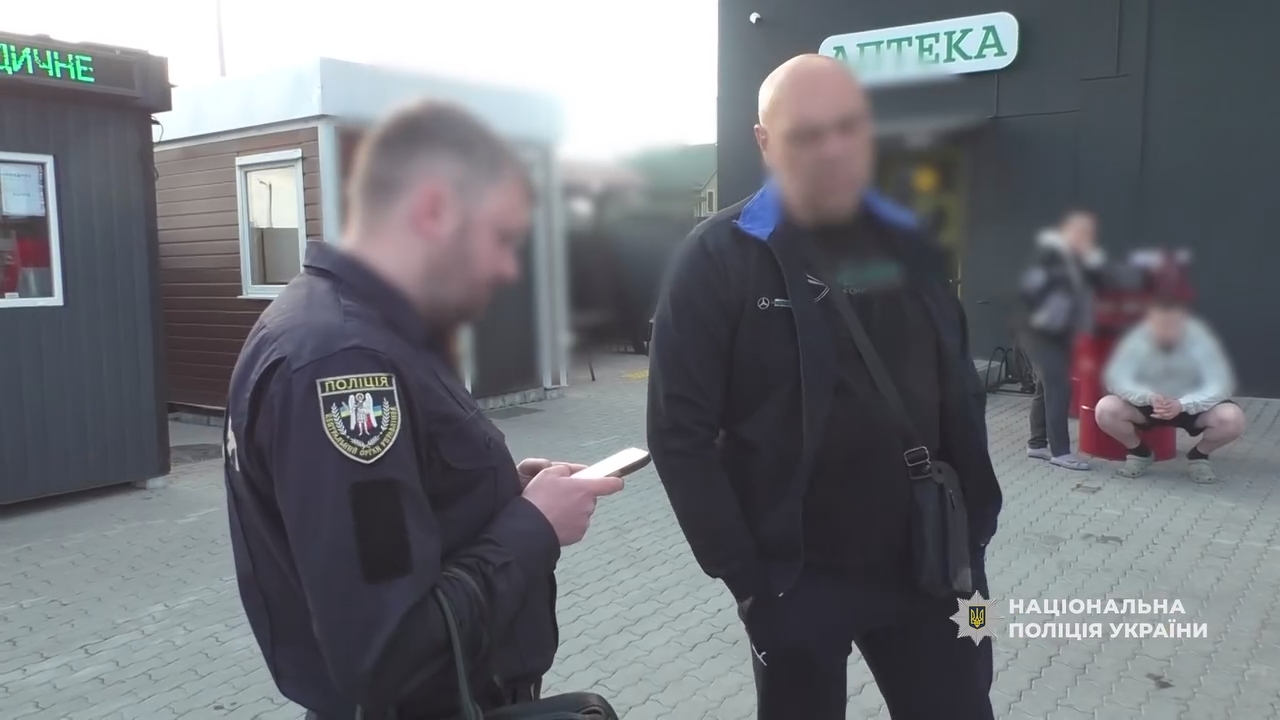
A former Ukrainian parliamentarian and businessman has been apprehended by border authorities while allegedly attempting to escape the country amid serious corruption allegations. The suspect, whose identity has not been fully disclosed by investigators, was detained at the Polish border as he tried to leave Ukraine, presumably to avoid prosecution for illicit enrichment charges that have been mounting against him for several months.
According to law enforcement officials, the investigation revealed a staggering discrepancy between the former deputy’s declared income and his actual acquisitions. In just one calendar year, the suspect reportedly purchased assets worth approximately 42 million Ukrainian hryvnias, despite officially declaring income of only 5.3 million hryvnias during the same period. This represents a difference of nearly 37 million hryvnias that investigators say cannot be explained through legitimate means, raising serious questions about the sources of the former lawmaker’s wealth.
The case highlights the ongoing struggle against corruption that has plagued Ukrainian politics for decades. Illicit enrichment, which involves public officials acquiring assets that significantly exceed their legal income without providing a reasonable explanation, has been a criminal offense in Ukraine since anti-corruption reforms were implemented following the 2014 Revolution of Dignity. The National Anti-Corruption Bureau of Ukraine (NABU) and the Specialized Anti-Corruption Prosecutor’s Office have been at the forefront of investigating such cases, though critics argue that many wealthy officials still manage to evade justice through various legal loopholes and political connections.
The attempted border crossing adds another dimension to the case, potentially resulting in additional charges related to fleeing prosecution. Ukrainian authorities have been increasingly vigilant about preventing suspects in high-profile corruption cases from leaving the country, particularly since the full-scale Russian invasion began in February 2022. While martial law has imposed certain travel restrictions on male citizens, individuals with proper documentation and certain exemptions have still been able to cross borders, leading to concerns about wealthy suspects exploiting these pathways to escape accountability.
The phenomenon of politically connected businesspeople accumulating vast wealth through their positions has been a persistent challenge for Ukraine’s democratic development. International partners, including the European Union and the United States, have consistently emphasized the importance of combating corruption as a prerequisite for Ukraine’s Euro-Atlantic integration. The EU’s decision to grant Ukraine candidate status in June 2022 came with explicit conditions regarding judicial reform and anti-corruption measures, making cases like this one particularly significant for the country’s European aspirations.
Legal experts note that proving illicit enrichment cases can be challenging, as prosecutors must demonstrate that the suspect’s assets significantly exceed their legitimate income and that there is no reasonable explanation for the discrepancy. The burden of proof in such cases has been debated extensively in Ukrainian legal circles, with some arguing that requiring officials to explain the sources of their wealth represents a reasonable accountability measure, while others raise concerns about presumption of innocence principles.
If convicted of illicit enrichment, the former deputy could face up to ten years in prison and confiscation of assets, according to Ukrainian criminal law. The attempted flight from prosecution could serve as an aggravating factor during sentencing. The case will likely proceed through the High Anti-Corruption Court, a specialized judicial body established in 2019 specifically to handle cases investigated by anti-corruption agencies, ensuring that such proceedings are handled by judges who have undergone rigorous vetting processes.
This arrest serves as a reminder that Ukrainian authorities are continuing their anti-corruption efforts even amid the ongoing war, demonstrating commitment to the rule of law that international partners have demanded. The outcome of this case will be closely watched as an indicator of Ukraine’s progress in holding powerful individuals accountable, a crucial factor in the country’s ongoing transformation and its path toward European integration.