
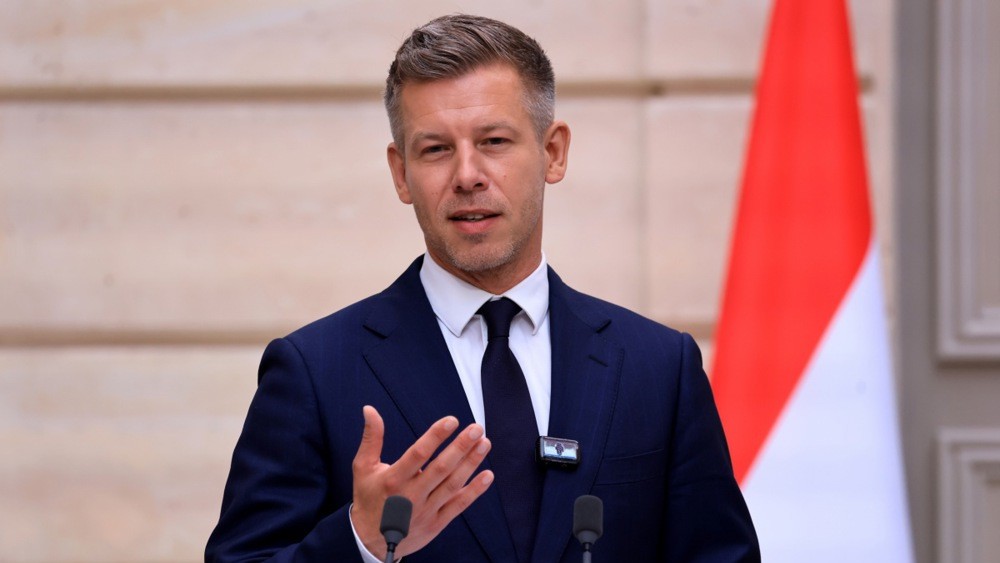
Hungary Announces Dramatic Salary Cuts for Politicians: Prime Minister Could Lose More Than Half His Income
In a sweeping move that has captured international attention, Hungary has announced significant salary reductions for its political class, with members of parliament facing a 40% pay cut while also seeing their benefits and privileges substantially curtailed. The announcement comes amid growing economic pressures across Europe and represents one of the most dramatic austerity measures targeting elected officials in recent European political history.
The Hungarian government’s decision will have far-reaching implications for the country’s political establishment, with Prime Minister Viktor Orbán himself potentially losing more than half of his total income under the new regulations. The measures are being presented as a demonstration of shared sacrifice during challenging economic times, though critics have questioned whether the timing is linked to upcoming political pressures and public dissatisfaction with the ruling Fidesz party’s economic management.
Under the new framework, Hungarian lawmakers will see their base salaries reduced by 40%, a substantial cut that brings their compensation more in line with average Hungarian earnings. Additionally, various allowances, expense accounts, and supplementary benefits that have traditionally padded political incomes will face strict limitations. These perks have historically included generous travel allowances, housing subsidies, and various discretionary funds that often went unscrutinized by the public. The total impact on individual politicians could be even greater than the headline 40% figure suggests when all benefits are factored into the calculation.
Hungary has faced mounting economic challenges in recent years, including inflation rates that peaked at over 25% in early 2023 — among the highest in the European Union. The country’s economy has struggled with currency depreciation, rising energy costs following the disruption of traditional supply chains, and ongoing tensions with EU institutions over rule of law concerns that have blocked access to billions of euros in recovery funds. Against this backdrop, public tolerance for generous political compensation has worn thin, with surveys indicating widespread frustration with the perceived disconnect between political elites and ordinary citizens struggling with cost-of-living pressures.
The tradition of political salary cuts during economic hardship has precedents across Europe, though such measures have typically been more modest in scope. During the 2008 financial crisis, several European nations implemented temporary reductions in political pay, with Ireland cutting ministerial salaries by up to 20% and Greece implementing various austerity measures affecting public sector workers including politicians. However, a 40% reduction represents an unusually aggressive approach that goes beyond symbolic gestures into territory that could meaningfully alter the financial calculus of political service. Some political scientists have noted that such dramatic cuts could have unintended consequences, potentially making political office less attractive to qualified candidates who might otherwise contribute valuable expertise to public service.
Viktor Orbán, who has served as Hungary’s Prime Minister since 2010 during his current tenure and previously held the position from 1998 to 2002, has built his political brand on a nationalist platform that emphasizes Hungarian sovereignty and frequently clashes with European Union leadership in Brussels. His government has faced persistent criticism from EU officials over democratic backsliding, media freedom concerns, and the consolidation of power around the ruling party. The salary cut announcement may serve multiple strategic purposes, allowing Orbán to position himself as aligned with ordinary Hungarians while potentially deflecting attention from other controversial policies and the ongoing standoff with EU institutions over frozen funding.
Economic analysts observing Hungarian politics note that the actual savings from political salary reductions will be relatively minor in the context of the national budget, representing more of a political gesture than a meaningful fiscal correction. Hungary’s annual budget runs into the tens of billions of euros, making the aggregate savings from cutting several hundred politicians’ salaries largely symbolic. However, the psychological and political impact should not be underestimated, as such measures can help rebuild public trust in institutions and demonstrate that sacrifice is being shared across society rather than concentrated among the working and middle classes who typically bear the brunt of austerity measures.
The implementation timeline and specific details of the cuts are still being finalized, but the announcement has already sparked debate both within Hungary and across Europe about appropriate levels of political compensation and the relationship between elected officials and the citizens they serve. As other European nations grapple with their own economic challenges and public frustration with political establishments, Hungary’s dramatic approach may influence discussions elsewhere about accountability, sacrifice, and the responsibilities of political leadership during times of national economic stress.