Ternopil Raises Public Transport Fares for Second Time in 2.5 Months Amid Rising Costs
Residents of Ternopil, a major city in western Ukraine, are facing another increase in public transportation costs as local authorities announced that fares will rise to up to 26 hryvnias starting June 13, 2025. This marks the second fare hike in just two and a half months, placing additional financial pressure on commuters who rely on the city’s network of trolleybuses and both municipal and private bus services for their daily transportation needs.
The decision to raise fares comes amid mounting operational costs that have strained public transit systems across Ukraine. Rising fuel prices, increased maintenance expenses, and the general inflationary pressures affecting the country’s economy have forced municipalities to reconsider their pricing structures. For Ternopil, a city with a population of approximately 220,000 people, public transportation serves as a vital lifeline connecting residential areas with workplaces, educational institutions, and commercial centers.
The frequency of fare increases has sparked concern among local residents, many of whom remember when transit costs were significantly lower. Just a few years ago, public transport fares in most Ukrainian cities hovered around 5-7 hryvnias per ride. The current trajectory represents a dramatic shift in the affordability of urban mobility. Transportation experts note that Ukrainian cities have been caught between the need to maintain service quality and the reality that subsidizing public transit has become increasingly difficult given the country’s wartime budget constraints and competing priorities.
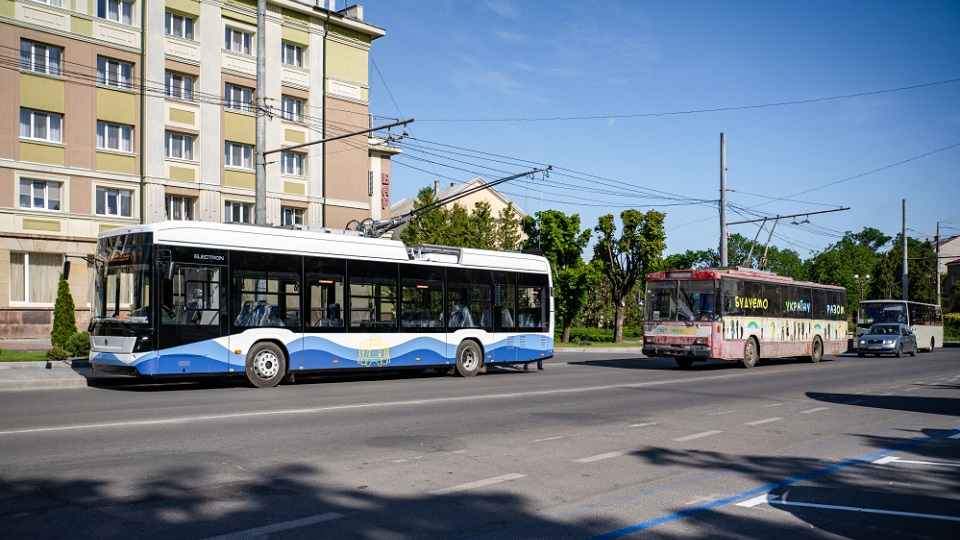
Ternopil’s trolleybus system, which has been operating since 1975, represents an important piece of the city’s infrastructure. Electric trolleybuses have traditionally been considered a more environmentally friendly and cost-effective option compared to diesel buses, as they don’t require fuel purchases and have lower maintenance costs. However, the electricity costs have also risen substantially, and the aging fleet requires constant investment to remain operational. The city operates several trolleybus routes that traverse the historic center and connect major districts.
The fare increase affects both the municipal transportation network and private carriers operating under city licenses. Private bus operators, known locally as “marshrutkas,” have long been a fixture of Ukrainian urban transportation, offering more flexible routes and sometimes faster service than traditional municipal options. These private operators have argued that rising costs leave them with little choice but to increase prices or reduce service frequency. The unified fare structure announced by Ternopil authorities suggests coordination between public and private sectors to prevent passengers from simply switching to whichever option remains cheaper.
Urban transportation affordability has become a pressing issue across Ukraine as the country navigates the economic challenges posed by the ongoing conflict with Russia. Many cities have implemented similar fare increases, with some metropolitan areas seeing prices exceed 20 hryvnias per ride. Social programs providing discounted or free travel for pensioners, students, and other vulnerable groups help mitigate the impact on those least able to afford higher costs, but working-age residents without special status bear the full burden of these increases. Economic analysts suggest that transportation costs now consume a larger portion of average household budgets than at any point in recent memory.
Looking ahead, municipal authorities face difficult decisions about balancing accessibility with financial sustainability. Some transportation experts advocate for integrated ticketing systems, monthly passes, or distance-based pricing as alternatives to flat per-ride fares that might distribute costs more equitably. Others point to successful models in European cities where substantial public subsidies keep fares low while maintaining high service quality. For Ternopil residents, the immediate reality is adjusting household budgets to accommodate yet another increase, with uncertainty about whether additional hikes might follow in the coming months as economic pressures continue to mount across the country.