Construction Begins on Trans-Saharan Gas Pipeline: Europe’s New Energy Lifeline from Nigeria Through Algeria
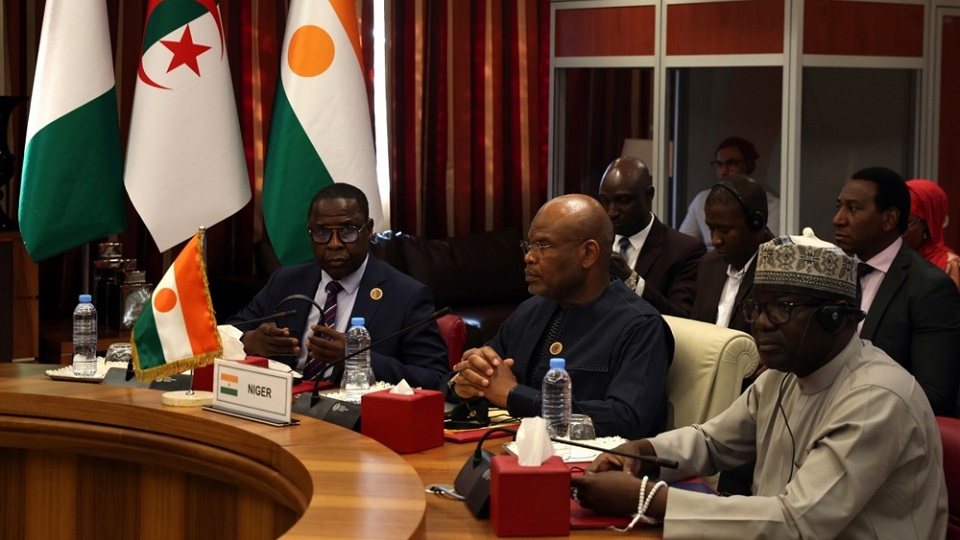
In a landmark development that could reshape Europe’s energy landscape, three African nations have officially launched construction of the ambitious Trans-Saharan Gas Pipeline. The project, which will transport 30 billion cubic meters of natural gas annually from Nigeria through Niger to Algeria and onward to European markets, represents one of the most significant infrastructure initiatives in African history. This strategic endeavor comes as the European Union actively seeks alternatives to Russian energy supplies following the geopolitical upheaval triggered by the conflict in Ukraine.
The groundbreaking ceremony marks the culmination of decades of planning and negotiations. The Trans-Saharan Gas Pipeline, sometimes referred to as TSGP or the Nigeria-Algeria pipeline, was first proposed in the 1970s during the global oil crisis. However, political instability, security concerns in the Sahel region, and the enormous financial requirements kept the project on hold for nearly half a century. The current geopolitical climate, with Europe desperately seeking to diversify its energy sources, has finally provided the necessary momentum to transform this long-held vision into reality.
The pipeline will stretch approximately 4,128 kilometers from the oil-rich Niger Delta in southern Nigeria, traversing the challenging terrain of Niger before connecting to Algeria’s existing pipeline infrastructure. From there, the gas will flow through established Mediterranean routes to European consumers. The project’s estimated cost ranges between $13 billion and $15 billion, with funding coming from a combination of government investments, international financial institutions, and private sector participation. Construction is expected to take between five and seven years, with full operational capacity anticipated by the early 2030s.
Nigeria, Africa’s largest oil producer and holder of the continent’s biggest proven natural gas reserves, stands to benefit enormously from this venture. The country possesses approximately 5.8 trillion cubic meters of confirmed natural gas reserves, yet has historically struggled to monetize these resources due to inadequate infrastructure and persistent gas flaring. The Trans-Saharan Pipeline offers Nigeria an unprecedented opportunity to transform its gas wealth into sustainable revenue streams while reducing the environmentally damaging practice of burning off associated gas from oil production. For Niger, one of the world’s poorest nations, the pipeline promises transit fees, job creation, and potential economic development along its route.
Algeria, already Europe’s third-largest gas supplier after Russia and Norway, will serve as the crucial transit hub and export point. The North African nation has existing pipeline connections to Europe, including the Medgaz pipeline to Spain and the Transmed pipeline to Italy via Tunisia. These established routes mean that once the Trans-Saharan segment is complete, Nigerian gas can flow relatively seamlessly into European markets without requiring entirely new Mediterranean infrastructure. Algerian officials have expressed enthusiasm about the project, viewing it as an opportunity to strengthen their position as a key energy partner for Europe while diversifying their own revenue sources beyond domestic production.
The European Union has watched these developments with keen interest. Since Russia’s invasion of Ukraine in February 2022, the bloc has scrambled to reduce its dependence on Russian natural gas, which previously accounted for approximately 40% of European imports. Through a combination of increased LNG purchases, accelerated renewable energy deployment, and aggressive efficiency measures, Europe has managed to significantly cut Russian gas imports. However, the continent still requires substantial volumes of natural gas for heating, industrial processes, and power generation. The Trans-Saharan Pipeline, once operational, could supply roughly 10% of the EU’s current natural gas demand, providing a stable, long-term alternative to Russian supplies.
Security concerns remain a significant challenge for the project. The pipeline’s route passes through regions affected by various armed groups, including Boko Haram-affiliated militants in northern Nigeria and various extremist organizations operating in the Sahel. The three participating governments have pledged to establish robust security measures along the pipeline corridor, including dedicated military protection and community engagement programs designed to ensure local populations benefit from the project. International observers note that successful completion of the pipeline could actually enhance regional security by creating economic opportunities and fostering cooperation between the participating nations.
The Trans-Saharan Gas Pipeline also carries profound implications for Africa’s energy future. The project represents a shift toward greater intra-African infrastructure cooperation and positions the continent as a major player in global energy markets. Beyond the immediate participants, other African nations are watching closely, recognizing that such mega-projects could serve as templates for future continental integration efforts. As global energy transitions continue and demand patterns evolve, Africa’s vast natural gas resources could play an increasingly important role in balancing the world’s energy needs while providing crucial development capital for some of the planet’s fastest-growing economies.