Major Highway Renovation to Polish Border Reaches Halfway Point: Over €100 Million Investment in Ukraine’s Western Gateway
Ukraine’s Ministry of Development has announced significant progress on the critical highway renovation project connecting the country to the Rava-Ruska border crossing with Poland. According to official reports, construction crews have completed between 40 and 50 percent of the planned work on this strategic transport corridor, which carries an estimated budget exceeding 100 million euros. This ambitious infrastructure project represents one of the largest road rehabilitation efforts in western Ukraine, aimed at improving connectivity with the European Union and facilitating both commercial traffic and civilian movement across the border.
The Rava-Ruska crossing point has historically served as one of the most important gateways between Ukraine and Poland, handling substantial volumes of cargo and passenger traffic. The border checkpoint, located in the Lviv Oblast, connects Ukraine’s road network to Poland’s transportation infrastructure, providing a vital link to the broader European highway system. Prior to the renovation, the road had deteriorated significantly due to heavy use, insufficient maintenance during previous decades, and the increased traffic burden following Ukraine’s closer integration with European markets.
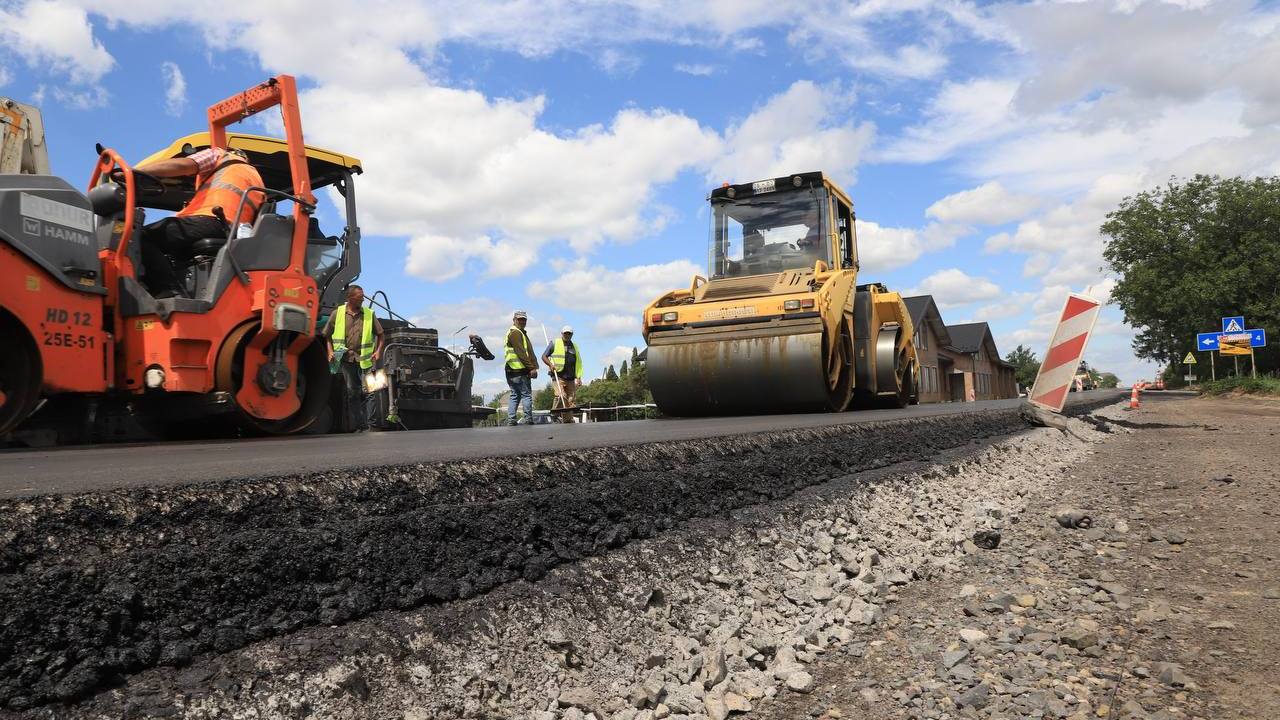
The renovation project encompasses comprehensive improvements to the roadway, including complete resurfacing, widening of certain sections, installation of modern drainage systems, and implementation of contemporary safety features. Engineers and construction teams are working to bring the highway up to European standards, which will not only improve travel times but also reduce vehicle maintenance costs for the thousands of trucks and cars that traverse this route daily. The project timeline, while not explicitly stated, suggests authorities are pushing for completion as quickly as possible given the strategic importance of the corridor.
This infrastructure investment comes at a particularly crucial time for Ukraine. Since the beginning of the full-scale Russian invasion in February 2022, western border crossings have become exponentially more important for the country’s economy and humanitarian needs. With Black Sea ports facing blockades and security concerns, land routes through Poland and other western neighbors have shouldered much of Ukraine’s import and export burden. The Rava-Ruska crossing, along with other checkpoints like Krakovets and Shehyni, has seen dramatic increases in traffic as businesses and aid organizations rely on overland transport.
The European Union has been a significant partner in Ukraine’s infrastructure modernization efforts, providing both technical expertise and financial support for various projects. The highway renovation aligns with broader EU initiatives to improve transport connectivity with Ukraine, particularly as the country pursues its path toward European integration. In December 2023, EU leaders formally opened accession negotiations with Ukraine, making investments in transport infrastructure that meets European standards even more strategically important. Modern, well-maintained highways are essential not only for economic development but also for demonstrating Ukraine’s commitment to adopting EU norms and practices.
Historical context reveals that Ukraine’s road infrastructure has long been a challenge for the country’s development. During the Soviet era, roads were often built to lower standards than those in Western Europe, and decades of underinvestment following independence left many highways in poor condition. The World Bank and other international institutions have repeatedly identified transport infrastructure as a key bottleneck for Ukraine’s economic growth. Recent years have seen renewed focus on addressing this issue, with the government launching multiple renovation projects on key corridors connecting major cities and border crossings.
Local officials and business representatives have expressed optimism about the project’s impact on regional development. Improved road conditions are expected to reduce transport costs, attract investment to the Lviv region, and create better conditions for local communities along the route. The construction work itself has provided employment opportunities for hundreds of workers, contributing to the local economy during challenging times. As the project progresses toward completion, authorities are monitoring progress closely to ensure quality standards are maintained and the investment delivers lasting benefits for Ukraine’s transport network and its connections to European partners.