Ukraine Secures $690 Million IMF Tranche: Fund Outlines Key Conditions Including Postal VAT and Utility Tariff Reforms
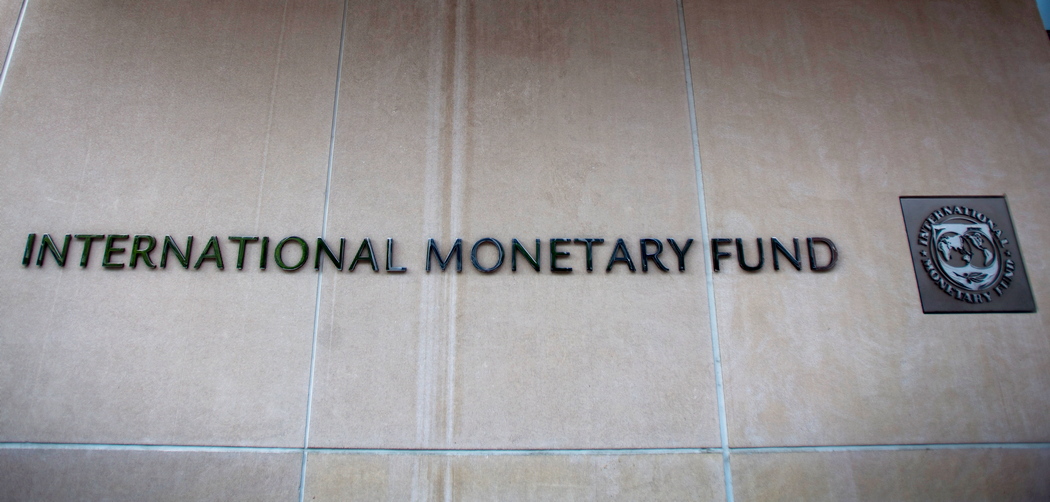
Ukraine has reached a preliminary agreement with the International Monetary Fund for the disbursement of a second tranche worth $690 million, marking another critical step in the war-torn nation’s efforts to maintain economic stability amid ongoing conflict. The agreement comes after weeks of intensive negotiations between Ukrainian officials and IMF representatives, with the fund outlining specific structural reforms that Kyiv must implement to receive the funds. Among the most significant conditions are the introduction of value-added tax on postal parcels valued up to 150 euros and a comprehensive review of utility tariffs for the general population.
The VAT requirement on small postal shipments represents a notable shift in Ukraine’s customs policy, which has historically exempted low-value international packages from taxation. This exemption was originally designed to facilitate cross-border e-commerce and reduce administrative burden on customs authorities. However, the IMF has long argued that such tax-free thresholds create significant revenue losses for developing economies and distort competition between domestic retailers and foreign online sellers. The fund estimates that implementing this measure could generate hundreds of millions of dollars in additional annual revenue for Ukraine’s stretched budget, which has been severely impacted by the costs of defending against Russian aggression.
The utility tariff revision requirement addresses one of the most politically sensitive issues in Ukrainian domestic policy. Since the early days of the full-scale invasion in February 2022, the Ukrainian government has maintained artificially low energy prices for households, subsidizing the difference between market rates and consumer prices. While this policy has provided crucial relief to millions of citizens facing displacement, job losses, and destroyed homes, it has created an unsustainable burden on the state budget and energy companies. The IMF has consistently emphasized that gradual tariff normalization is essential for fiscal sustainability and for attracting private investment into Ukraine’s damaged energy infrastructure.
The current agreement is part of Ukraine’s $15.6 billion Extended Fund Facility program, which was approved by the IMF in March 2023. This four-year program represents the largest financial commitment the fund has ever made to Ukraine and reflects the international community’s determination to support the country’s economic resilience during wartime. The program combines immediate financial assistance with structural reforms designed to strengthen governance, reduce corruption, and modernize Ukraine’s economy in preparation for eventual European Union membership. Previous tranches have helped Ukraine avoid sovereign default and maintain essential government services, including pension payments and healthcare funding.
International financial experts have noted that Ukraine’s compliance with IMF conditions sends important signals to other potential donors and investors. The World Bank, European Union, and bilateral partners such as the United States and Japan often coordinate their assistance programs with IMF assessments, using the fund’s evaluations as benchmarks for their own disbursements. Successfully completing IMF reviews demonstrates that Ukraine remains committed to transparent governance and responsible fiscal management despite the extraordinary challenges of wartime administration. This credibility is crucial as Ukraine seeks to mobilize the estimated $411 billion that the World Bank calculates will be needed for post-war reconstruction.
The postal VAT implementation faces significant logistical challenges, as Ukraine must develop systems to accurately assess and collect taxes on millions of small packages entering the country annually. Many of these shipments come from Chinese e-commerce platforms like AliExpress, which have become increasingly popular among Ukrainian consumers seeking affordable goods. Customs officials will need enhanced capacity to process declarations and collect payments without creating bottlenecks that delay deliveries. Several European countries have already implemented similar measures following EU-wide elimination of the VAT exemption for low-value imports in 2021, providing potential models for Ukrainian authorities to follow.
The energy tariff adjustments will likely be implemented gradually to minimize social impact, with targeted subsidies maintained for the most vulnerable populations including pensioners, internally displaced persons, and low-income families. Ukrainian officials have emphasized that any tariff increases will be accompanied by expanded social protection programs funded partly by international assistance. The government faces the delicate task of balancing fiscal responsibility with maintaining public morale during an existential conflict. As winter approaches and Russia continues targeting energy infrastructure, affordable heating and electricity remain not just economic issues but matters of national survival and social cohesion.