Russia’s Daily War Spending Hits Record $915 Million as Military Expenditure Surges 30% in Early 2026
Russia’s military expenditure has reached unprecedented levels in the first quarter of 2026, with the country now spending approximately $915 million per day on its ongoing war against Ukraine. This staggering figure represents a 30% increase compared to the same period in the previous year, marking a new record in the Kremlin’s financial commitment to the conflict that has now stretched into its fourth year. The escalating costs reflect both the intensification of military operations and the mounting economic pressure of sustaining a prolonged conventional war against a well-armed adversary supported by Western nations.
The daily expenditure of nearly one billion dollars translates to roughly $38 million per hour or more than $630,000 every minute that the conflict continues. When calculated on an annual basis, this spending trajectory would amount to approximately $334 billion dedicated solely to military operations in Ukraine. These figures represent a dramatic departure from pre-war Russian defense budgets, which hovered around $65-70 billion annually before the February 2022 invasion. The exponential growth in military spending has forced Moscow to make significant adjustments to its federal budget, redirecting resources from social programs, infrastructure development, and other civilian sectors to sustain the war effort.
Economic analysts and defense experts have been closely monitoring Russia’s ability to maintain such extraordinary levels of military spending without triggering a broader economic collapse. The Russian economy has demonstrated surprising resilience, partly due to continued energy exports to countries like China and India, as well as aggressive domestic monetary policies implemented by the Central Bank of Russia. However, the sustainability of this spending remains questionable. Independent Russian economists, many of whom now operate from exile, have warned that the current rate of military expenditure is essentially consuming Russia’s sovereign wealth funds and forcing the government to increasingly rely on deficit financing and money printing, which could fuel inflation and erode living standards for ordinary Russians.
The historical context of Russia’s military spending reveals the dramatic transformation that has occurred since the war began. In 2021, Russia’s total defense budget stood at approximately $66 billion, representing about 4% of GDP. By 2024, official figures showed defense spending had more than doubled, and the 2025 budget allocated roughly 40% of all federal expenditures to defense and security services. The 2026 figures suggest that military spending has continued its upward trajectory, now potentially consuming nearly half of all government resources. This militarization of the Russian economy recalls Soviet-era patterns, when excessive defense spending contributed to the eventual collapse of the USSR in 1991.
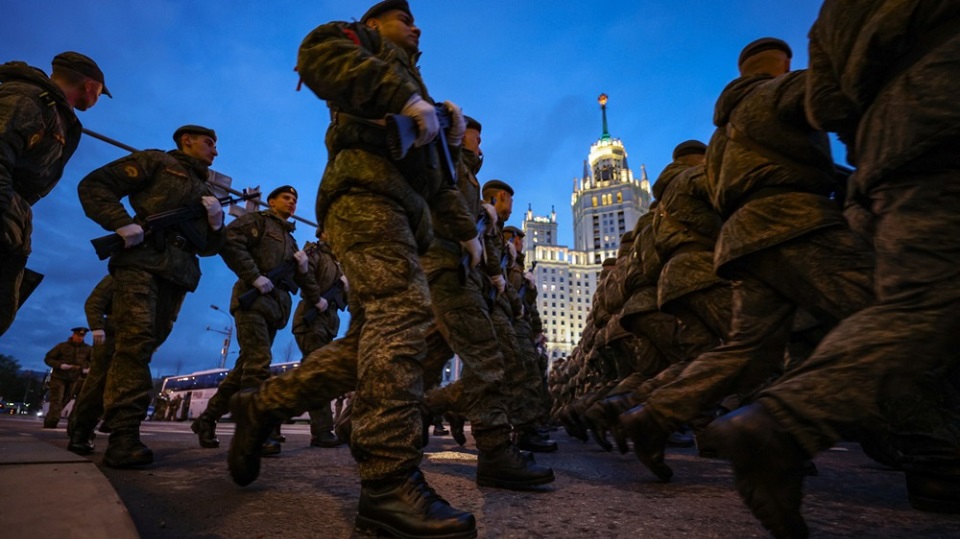
The composition of Russia’s war expenditure encompasses multiple costly categories. The largest portions go toward ammunition production and procurement, with Russia reportedly firing between 10,000 and 20,000 artillery shells per day during intensive combat operations. Each shell costs between $1,000 and $3,000 to produce, meaning ammunition alone could account for tens of millions of dollars daily. Additionally, the Kremlin has been offering substantial signing bonuses and monthly salaries to recruit new soldiers, with some regional governments offering payments exceeding $20,000 for contract soldiers. The replacement of destroyed military equipment, including tanks, armored vehicles, aircraft, and missiles, adds further billions to the overall cost.
International sanctions imposed by Western nations were intended to constrain Russia’s ability to finance its military operations, but the results have been mixed. While sanctions have certainly complicated Russia’s access to advanced technology and components necessary for precision weapons, the country has developed various workarounds, including procurement networks through third countries and increased domestic production of lower-tech alternatives. The Russian defense industry has reportedly shifted to round-the-clock production schedules, with some factories operating three shifts daily to meet the military’s insatiable demand for equipment and ammunition. Meanwhile, oil and gas revenues, though reduced from pre-war levels due to price caps and reduced European purchases, continue to provide substantial income.
Looking ahead, the question of how long Russia can sustain this level of spending remains central to understanding the conflict’s potential trajectory. Western intelligence assessments suggest that while Russia faces significant economic challenges, the country retains sufficient resources to continue the war for several more years at current intensity levels. However, the opportunity cost of this military spending is enormous, representing foregone investments in education, healthcare, technology, and infrastructure that will likely hamper Russia’s long-term economic development for decades to come. The $915 million daily price tag serves as a stark reminder of the enormous human and economic toll that the conflict continues to exact on all parties involved.