
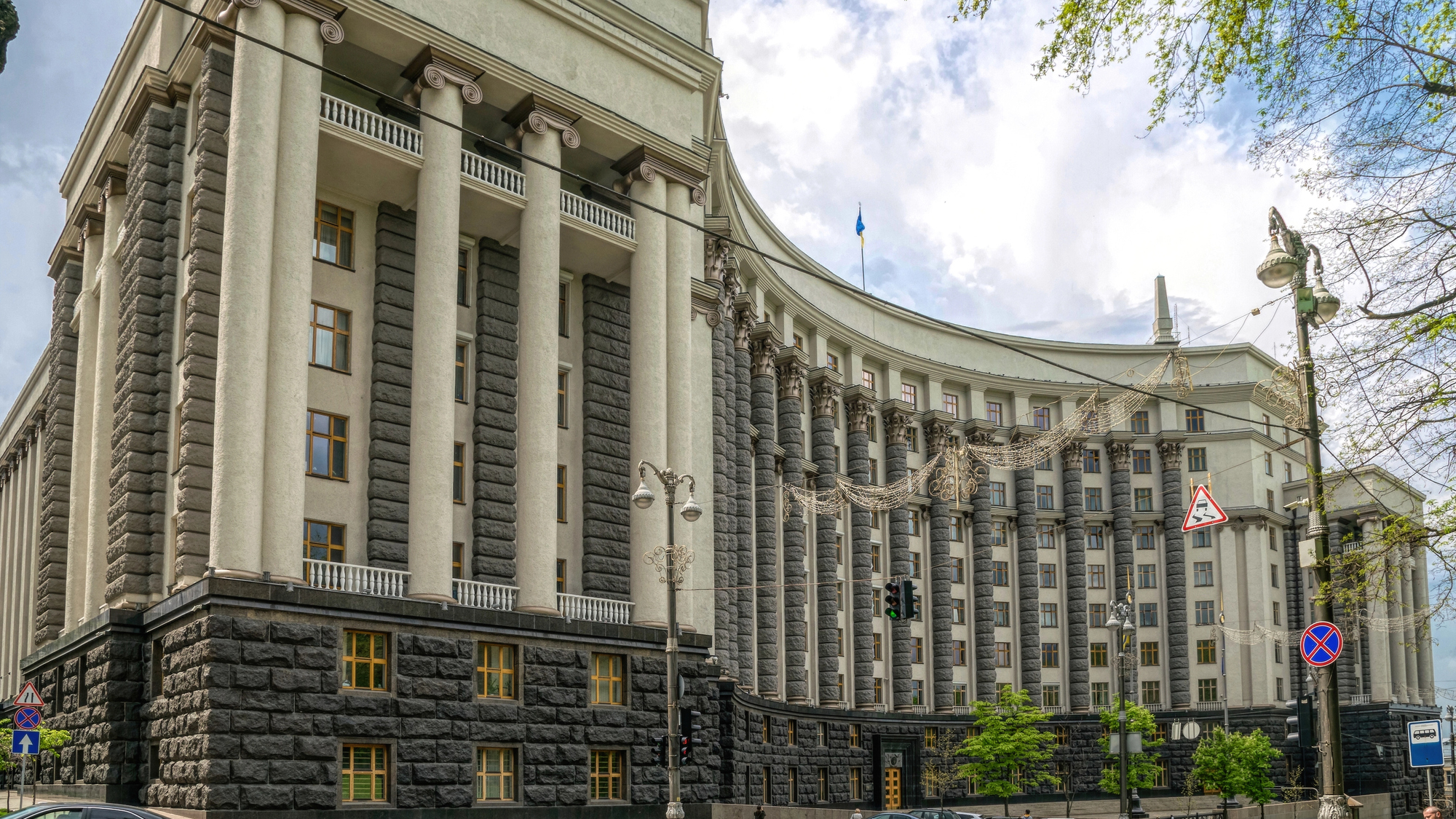
Ukrainian Cabinet Updates Reform Plan Under Ukraine Facility: 26 New Initiatives Added to Strengthen EU Integration
The Ukrainian government has approved significant amendments to its national reform agenda under the Ukraine Facility program, adding 26 new reform initiatives designed to accelerate the country’s European integration process. This comprehensive update reflects Kyiv’s commitment to meeting the stringent requirements set forth by the European Union as Ukraine continues its historic journey toward EU membership while simultaneously defending itself against Russian aggression.
The Ukraine Facility represents one of the most ambitious support packages ever offered to a non-member state, totaling approximately €50 billion over the period from 2024 to 2027. This financial mechanism was specifically designed to provide Ukraine with stable, predictable funding for recovery, reconstruction, and modernization efforts. The facility combines grants and loans, with disbursements directly tied to the implementation of specific reforms and investments outlined in the Ukraine Plan. The recent additions to this plan signal an intensification of Ukraine’s reform trajectory at a crucial moment in its European aspirations.
The 26 newly added reforms span multiple critical sectors of Ukrainian governance and economy. These include enhancements to the rule of law, judicial independence, anti-corruption measures, public administration modernization, and alignment with EU regulatory standards. Each reform carries specific benchmarks and timelines that must be met before corresponding tranches of funding are released. This conditionality mechanism ensures that European taxpayer money translates into tangible democratic and economic improvements rather than disappearing into bureaucratic channels.
Ukraine’s path toward European integration has accelerated dramatically since the full-scale Russian invasion began in February 2022. The country received official EU candidate status in June 2022, an unprecedented fast-track decision that normally takes years to achieve. In December 2023, EU leaders made the historic decision to open accession negotiations with Ukraine, marking another milestone in the country’s European journey. However, candidate status is merely the beginning of a lengthy process that requires comprehensive alignment with the EU’s acquis communautaire — the accumulated body of European Union law comprising roughly 80,000 pages of legislation.
The strengthening of the EU integration component within the updated plan addresses several key areas identified by the European Commission in its annual assessments. Anti-corruption reform remains a central focus, with Ukraine having already demonstrated progress through the work of specialized institutions such as the National Anti-Corruption Bureau (NABU) and the High Anti-Corruption Court. The new reforms are expected to further enhance the independence and effectiveness of these bodies while expanding their mandate to address wartime corruption risks associated with defense procurement and humanitarian aid distribution.
Economic reforms included in the updated plan aim to create a more competitive and transparent business environment that aligns with EU single market standards. This includes harmonization of technical regulations, adoption of EU food safety standards, and reforms to the banking sector that will facilitate eventual integration with European financial systems. Digital transformation initiatives also feature prominently, building on Ukraine’s already impressive achievements in e-governance through platforms like Diia, which has become a model for digital public services even for some EU member states.
The timing of these amendments carries strategic significance as Ukraine seeks to maintain momentum in its accession process despite the ongoing war. European officials have repeatedly emphasized that the conflict should not serve as an excuse to delay reforms, but rather as additional motivation to build the institutional resilience necessary for EU membership. The updated plan demonstrates Ukraine’s capacity to pursue transformative change even under the most challenging circumstances, sending a powerful signal to Brussels about Kyiv’s determination and administrative capability.
Looking ahead, the successful implementation of these 26 additional reforms will be closely monitored by the European Commission, which conducts regular assessments of Ukraine’s progress. Each positive evaluation unlocks further funding tranches, creating a virtuous cycle of reform and support. While the road to full EU membership remains long and demanding, potentially spanning a decade or more, the continuous updating and strengthening of the Ukraine Plan demonstrates that Kyiv views European integration not merely as a distant goal but as an ongoing process of national transformation that is reshaping Ukrainian society, economy, and governance in real time.