
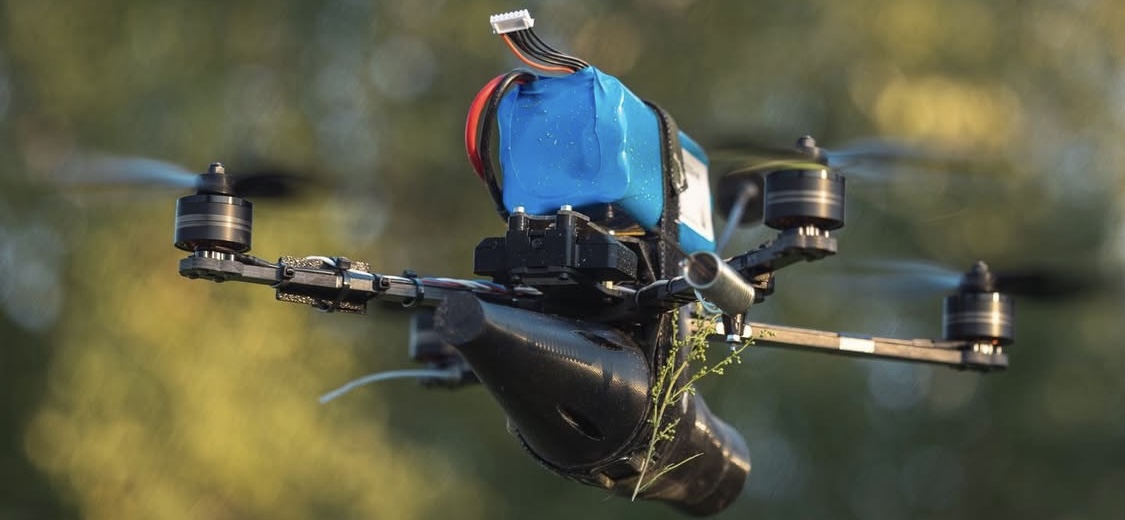
Into Oblivion: How the Case Against Vyriy Could Impact Ukraine’s Drone Market
Ukraine’s State Bureau of Investigation (DBR) has launched an investigation into potential price inflation in government drone contracts, sending ripples of concern through the country’s rapidly expanding unmanned aerial vehicle industry. The case, which centers on the drone manufacturer Vyriy, has raised alarm bells among other producers who fear it could set a troubling precedent that might discourage investment and innovation in a sector critical to Ukraine’s defense capabilities.
The investigation focuses on allegations that Vyriy may have inflated prices for drones supplied under state contracts, a serious accusation that could carry significant legal and financial consequences for the company. Prosecutors are examining whether the pricing structures in these agreements were consistent with market rates and production costs, or whether they represented an attempt to extract excessive profits from government procurement budgets during wartime.
The timing of this investigation is particularly sensitive given Ukraine’s heavy reliance on drone technology in its ongoing conflict with Russia. Since the full-scale invasion began in February 2022, unmanned aerial vehicles have become one of the most crucial weapons in Ukraine’s arsenal. From reconnaissance missions to precision strikes on enemy positions and logistics, drones have revolutionized modern warfare and given Ukrainian forces asymmetric advantages against a numerically superior opponent. The country has rapidly scaled up domestic production, with dozens of companies emerging to meet the military’s insatiable demand for these versatile weapons systems.
Industry insiders have expressed deep concern that the investigation against Vyriy could have a chilling effect on the broader drone manufacturing sector. Many producers operate on thin margins while facing enormous pressure to scale production rapidly, source components from international suppliers, and constantly innovate to stay ahead of Russian electronic warfare countermeasures. The fear is that aggressive prosecution of pricing disputes could make companies more hesitant to take risks or invest in expanding their capabilities, potentially slowing the growth of an industry that Ukraine desperately needs.
Ukraine’s drone industry has experienced explosive growth since the start of the full-scale invasion, transforming from a relatively small sector into a strategic national priority. The government has invested billions of hryvnias in domestic production, with President Volodymyr Zelensky announcing ambitious plans to manufacture over one million drones in 2024. This rapid expansion has attracted entrepreneurs, engineers, and investors from across the country, creating a vibrant ecosystem of innovation. However, such rapid growth has also created opportunities for abuse, and the government faces the delicate task of ensuring accountability without stifling the entrepreneurial spirit that has made the sector so successful.
Legal experts note that wartime procurement presents unique challenges that complicate traditional oversight mechanisms. Supply chains are disrupted, prices for components fluctuate wildly, and the urgent need for equipment often means contracts are negotiated under extreme time pressure. What might appear as price inflation in peacetime could sometimes be explained by the genuine additional costs of operating in a war zone, including security measures, expedited shipping, and the risk premiums demanded by suppliers. Distinguishing between legitimate cost increases and genuine fraud requires careful, nuanced analysis that takes these wartime realities into account.
The outcome of the Vyriy case could establish important precedents for how Ukraine’s legal system handles allegations of fraud in defense procurement. If the investigation results in prosecution, it could demonstrate the government’s commitment to fighting corruption even in critical wartime industries. However, manufacturers worry that an overly aggressive approach could create a climate of fear where companies become reluctant to engage with state contracts at all, preferring to sell to foreign buyers or volunteer organizations instead. This could ultimately harm Ukraine’s ability to equip its forces with domestically produced weapons.
As the investigation continues, the drone industry is watching closely to see how authorities balance the competing imperatives of accountability and support for domestic production. The stakes extend far beyond a single company, potentially shaping the future development of one of Ukraine’s most strategically important sectors. Industry associations have called for clear guidelines on pricing and procurement that would protect both the state from fraud and honest manufacturers from unfounded accusations, suggesting that systematic reform rather than individual prosecutions may be the most effective path forward.