Ukraine’s Gaming Industry Battles for $1.6 Billion Market as Government Considers Military Gambling Ban
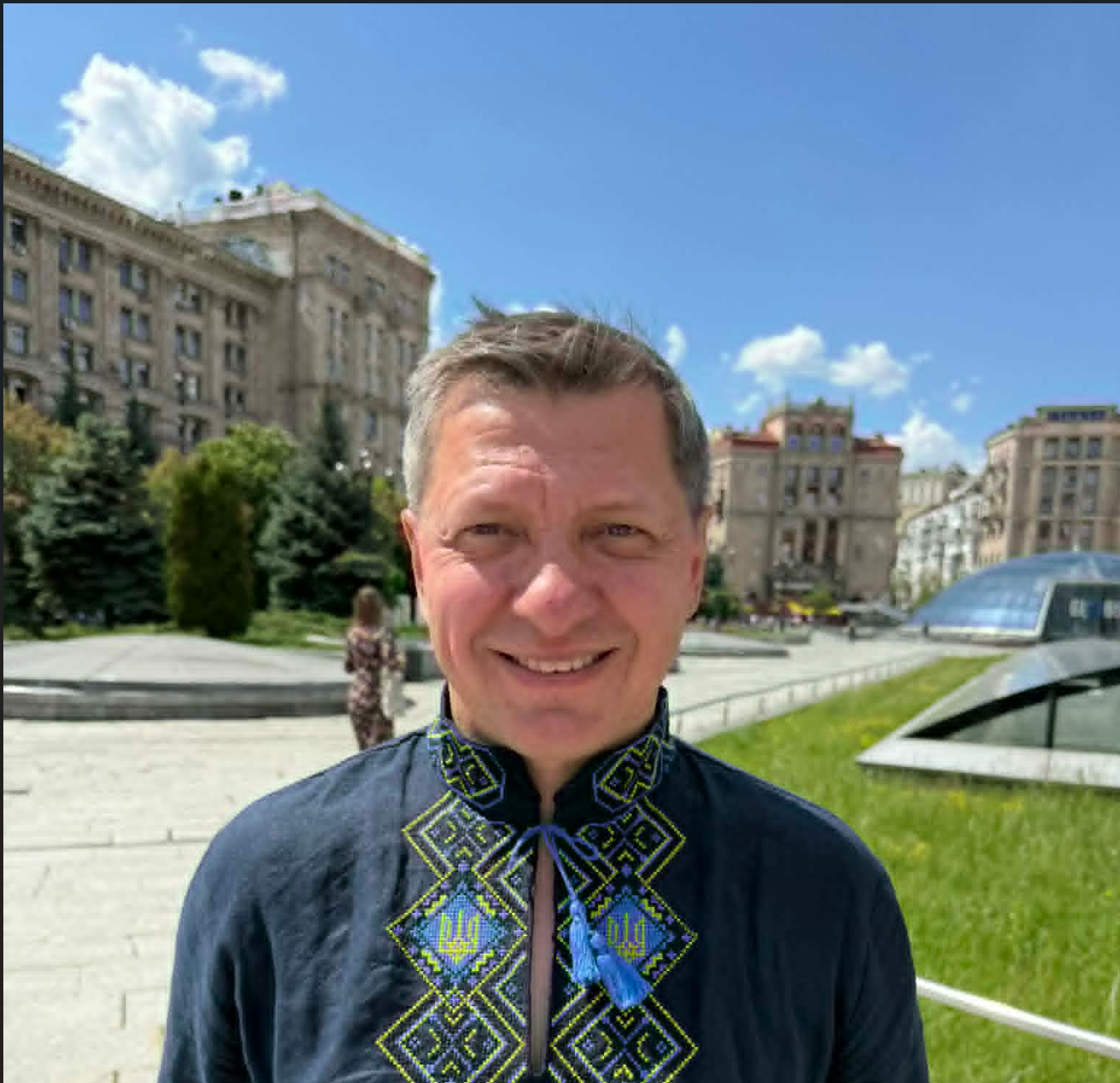
The Ukrainian gambling industry finds itself at a critical crossroads as government officials debate new restrictions while illegal operators continue to capture significant market share. Alexander Kogut, President of the Ukrainian Association of Gaming Operators, has voiced strong concerns about proposed legislation that could inadvertently strengthen the black market while weakening legitimate businesses that contribute to the state budget during wartime.
In a recent interview, Kogut revealed the staggering scale of the opportunity at stake: approximately 62 billion hryvnias (roughly $1.6 billion USD) in annual market volume that Ukrainian authorities are hoping to reclaim from Russian-linked illegal gambling operations. “We want to tear this market out of Russian hands,” Kogut stated, emphasizing the dual nature of the fight – both economic and strategic. The presence of Russian-operated illegal gambling platforms represents not only lost tax revenue but also potential security concerns, as these platforms operate outside Ukrainian regulatory oversight.
The proposed ban on gambling for military personnel has become a particularly contentious issue within the ongoing legislative debate. While supporters argue that such restrictions would protect servicemen from potential addiction and financial troubles during an already stressful period of active combat, industry representatives warn that prohibition rarely achieves its intended goals. Historical evidence from various countries suggests that outright bans typically drive consumers toward unregulated alternatives rather than eliminating the behavior entirely. Kogut argues that Ukrainian soldiers seeking entertainment will simply turn to illegal platforms, many of which are operated by Russian interests, creating both financial leakage and security vulnerabilities.
Ukraine’s gambling industry underwent a dramatic transformation in 2020 when the government legalized casino operations after years of prohibition. The decision was driven by multiple factors: the need to generate additional tax revenue, the recognition that underground gambling had flourished despite the ban, and the desire to create a regulated environment with consumer protections. The Ukrainian Gambling and Lotteries Regulation Commission (KRAIL) was established to oversee licensing and ensure compliance with strict operational standards. Licensed operators must meet capital requirements, implement responsible gambling measures, and pay substantial fees and taxes to the state.
The financial stakes for Ukraine’s wartime economy cannot be overstated. Legal gambling operators contribute hundreds of millions of hryvnias annually to the state budget through licensing fees, taxes on gross gaming revenue, and corporate income taxes. These funds directly support military operations, infrastructure repair, and social services for displaced citizens. However, Kogut warns that excessive regulation or poorly designed restrictions could undermine this revenue stream. He points to the current situation where an estimated 60-70% of gambling activity occurs through illegal channels, primarily online platforms that evade Ukrainian taxation and often route profits to foreign jurisdictions, including Russia.
The challenge of combating illegal gambling extends beyond simple enforcement. Underground operators offer attractive bonuses, accept cryptocurrency payments, and operate through constantly changing websites that are difficult to block. Many utilize virtual private networks and offshore servers to circumvent regulatory barriers. The Ukrainian government has attempted to address this through website blocking and payment processor restrictions, but these measures have proven insufficient against technologically sophisticated operators. Industry experts suggest that making legal gambling more accessible and competitively priced represents the most effective strategy for drawing consumers away from illegal alternatives.
Looking ahead, the Ukrainian gambling industry faces an uncertain regulatory environment as lawmakers balance competing priorities. Consumer protection advocates continue to push for stricter controls, while economic pragmatists emphasize the need for tax revenue and job creation. Kogut and his association have proposed a middle-ground approach that would maintain strong responsible gambling measures while avoiding counterproductive restrictions that benefit illegal operators. The outcome of this debate will likely shape Ukraine’s gaming landscape for years to come and could serve as a model for other countries grappling with similar regulatory challenges in the digital age.
As the war with Russia continues, every economic decision carries additional weight. The gambling industry represents just one front in the broader battle for Ukrainian economic sovereignty and the effort to sever financial connections that benefit Russian interests. Whether lawmakers can craft legislation that effectively balances consumer protection, military welfare, and economic necessity remains to be seen. What is clear is that the status quo – with billions flowing to unregulated operators – serves neither Ukrainian citizens nor the state during its time of greatest need.