
Poland Closes Bus Lane at Shehyni-Medyka Border Crossing for Major 18-Month Renovation Project
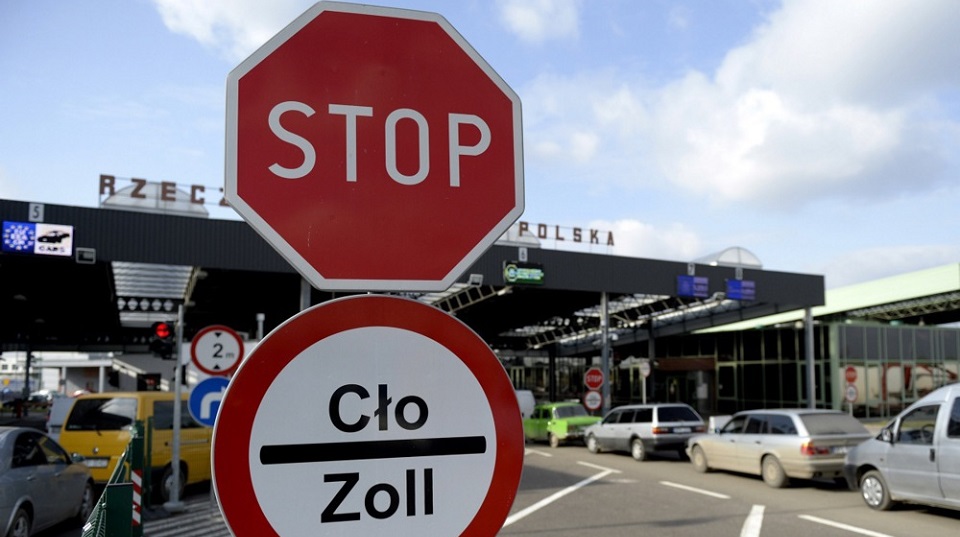
Polish authorities have announced a significant infrastructure project that will affect cross-border bus travel between Ukraine and Poland for the next year and a half. The bus lane at the Medyka border crossing point, which connects to Ukraine’s Shehyni checkpoint, will be closed for comprehensive renovation work until November 2027. This closure represents one of the most substantial infrastructure upgrades at this critical border crossing in recent years and will require travelers and transportation companies to adjust their plans accordingly.
The renovation project comes at a time when the Shehyni-Medyka crossing point remains one of the busiest land border connections between Ukraine and the European Union. Since the beginning of Russia’s full-scale invasion of Ukraine in February 2022, this checkpoint has processed millions of refugees, humanitarian aid convoys, and regular passenger traffic. The decision to undertake such extensive repairs reflects Poland’s commitment to modernizing its border infrastructure to handle the increased volume of cross-border movement that has become the new normal in the region.
The Shehyni-Medyka border crossing has historically served as a vital artery for both commercial and passenger transportation between Eastern Europe and the European Union. Located in the Subcarpathian Voivodeship of Poland and the Lviv Oblast of Ukraine, this crossing point has witnessed dramatic increases in traffic over the past several years. Before the 2022 conflict, the checkpoint primarily served regular commercial traffic and tourists. However, the outbreak of war transformed it into a lifeline for displaced Ukrainians seeking safety in Poland and other EU countries, with some days seeing tens of thousands of people crossing in both directions.
Polish border infrastructure has been under considerable strain since 2022, prompting authorities to prioritize upgrades and renovations at key crossing points. The 18-month timeline for the bus lane renovation suggests extensive work is planned, potentially including not only surface repairs but also modernization of inspection facilities, improved drainage systems, and enhanced capacity measures. Such comprehensive upgrades are essential for maintaining efficient border operations in the long term, even though they create temporary inconveniences for travelers and transportation operators.
For bus companies operating routes between Ukraine and Poland, this closure will necessitate careful logistical planning. Alternative crossing points, including those at Korczowa-Krakovets and Dorohusk-Yahodyn, may see increased traffic as operators redirect their services. Industry experts anticipate that some routes may experience longer travel times as buses are rerouted through other checkpoints. Transportation authorities in both countries are expected to coordinate closely to minimize disruptions and ensure that passenger services continue with as little interruption as possible during the renovation period.
The timing of this announcement allows transportation companies and travelers several months to prepare for the changes. Regular bus services connecting major Ukrainian cities like Lviv, Kyiv, and Odesa with Polish destinations including Warsaw, Krakow, and Przemyśl will need to adjust their routes and schedules. Passengers planning travel during the renovation period are advised to check with their carriers for updated information about crossing points and potential delays. The Polish Border Guard has indicated that detailed alternative routing information will be provided to affected transportation operators well in advance of the closure.
This infrastructure investment reflects broader European efforts to strengthen and modernize border facilities along the EU’s eastern frontier. As Poland continues to play a crucial role in supporting Ukraine and managing significant cross-border movement, maintaining efficient and modern crossing points has become a strategic priority. While the temporary closure will create short-term challenges, the completed renovation is expected to significantly improve capacity and service quality at one of the region’s most important international border crossings, benefiting millions of travelers for years to come.