Romania Completes 260-Meter Bridge and New Checkpoint at Ukrainian Border
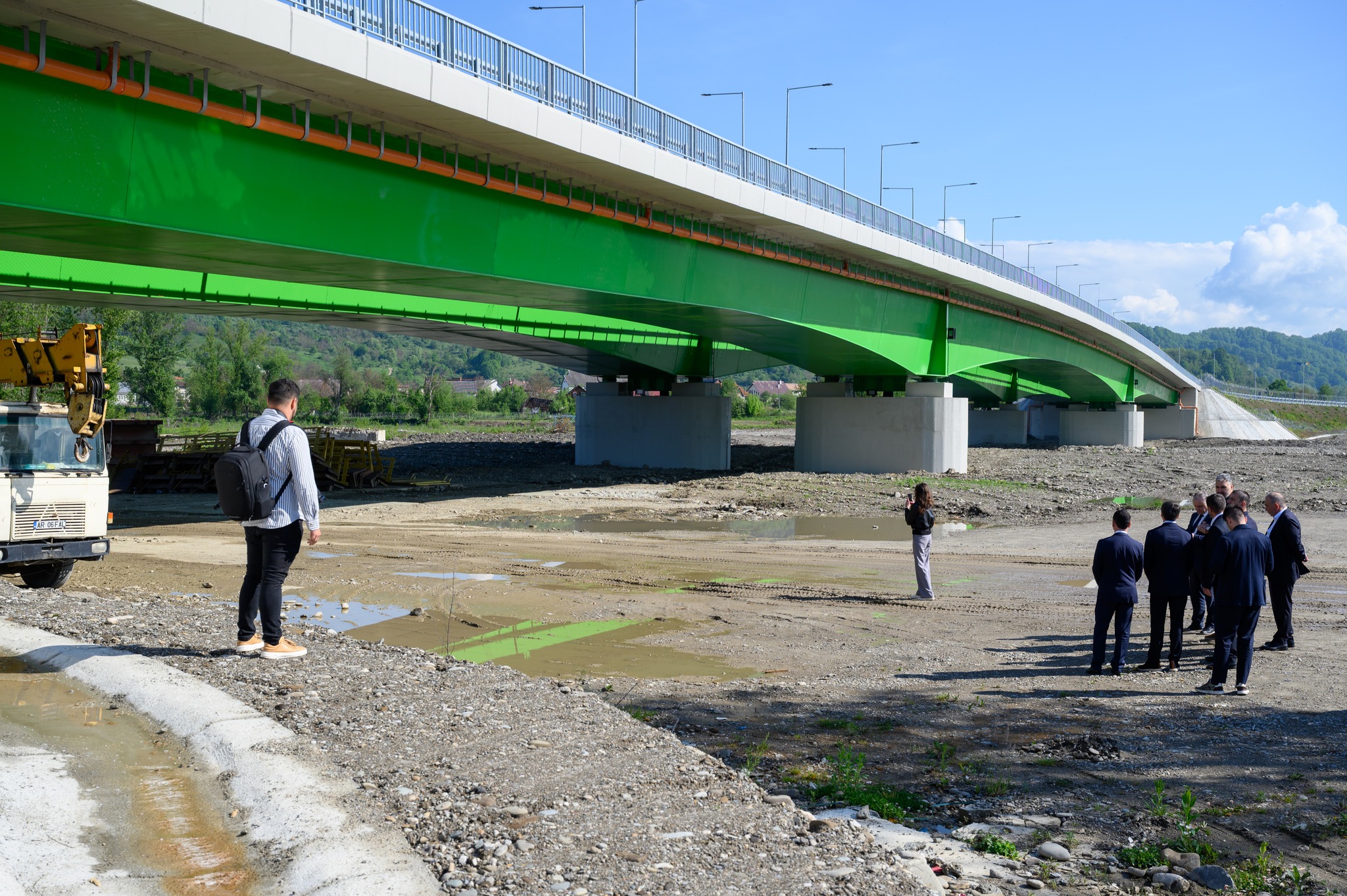
Romania has completed construction of a new border crossing point at Sighetu Marmației, including an impressive 260-meter bridge connecting the country to Ukraine’s Solotvyno region. The infrastructure project represents a significant investment in cross-border connectivity between the two neighboring nations. While the Romanian side of the checkpoint is now fully operational and ready to receive traffic, Ukrainian authorities have yet to complete their corresponding facilities, creating an asymmetric situation at this strategic crossing point.
The new border infrastructure is part of Romania’s broader efforts to strengthen ties with Ukraine and improve transportation links in the Carpathian region. The bridge spans the Tisa River, which forms a natural border between the two countries in this mountainous area of northern Romania. Construction on the Romanian side proceeded according to schedule, with engineers overcoming challenging terrain conditions to deliver a modern crossing facility that meets European Union standards for international border checkpoints.
This development comes at a particularly significant time, as Romania has emerged as one of Ukraine’s most important neighbors since Russia’s full-scale invasion began in February 2022. The country has played a crucial role in facilitating the transit of Ukrainian grain exports and humanitarian aid, with several border crossings experiencing dramatically increased traffic volumes. Romania shares approximately 650 kilometers of border with Ukraine, making efficient crossing points essential for both commercial and civilian movement between the two nations.
The Sighetu Marmației crossing holds historical significance, as this region of Maramureș has long been characterized by cultural and economic ties spanning the border. Before World War II, the area saw regular cross-border commerce and family connections that were later severed during the Soviet era. The new infrastructure represents not only a modern transportation link but also a symbolic reconnection of communities that share linguistic minorities and cultural heritage on both sides of the Tisa River.
Romanian officials have expressed hope that Ukrainian authorities will expedite completion of their side of the checkpoint. The delay on the Ukrainian side is understood to result from the enormous strain on the country’s resources and administrative capacity during the ongoing conflict. Ukraine has been simultaneously managing military operations, humanitarian crises, and the maintenance of critical infrastructure across its territory, making peacetime construction projects challenging to prioritize and fund.
European Union investment has played a significant role in developing Romania’s border infrastructure in recent years. As an EU member state since 2007, Romania has received substantial funding for modernizing its eastern borders, which now serve as the bloc’s external frontier with Ukraine and Moldova. The new checkpoint at Sighetu Marmației incorporates advanced customs processing technology, multiple vehicle lanes, and facilities designed to handle both passenger and commercial traffic efficiently.
Transportation experts note that additional crossing points between Romania and Ukraine could help alleviate pressure on existing checkpoints, some of which have experienced wait times of many hours during peak periods since 2022. The Siret and Isaccea crossings, in particular, have handled unprecedented volumes of refugees and commercial vehicles. Once fully operational on both sides, the Solotvyno-Sighetu Marmației crossing is expected to serve as an important northern route, particularly for traffic moving between western Ukraine and Central Europe through Romania’s road and rail networks.
The completion of Romania’s portion of the project demonstrates the country’s commitment to European integration efforts with Ukraine, which received EU candidate status in June 2022. As Ukraine continues to pursue its path toward eventual European Union membership, infrastructure projects like this border crossing represent concrete steps toward closer integration with the European community. Romanian authorities have indicated they remain ready to open the crossing as soon as Ukrainian construction is completed, emphasizing the importance of bilateral cooperation in these challenging times.