Ukraine Faces Potential Loss of EU Aid for First Time Due to Unfulfilled Reform Requirements
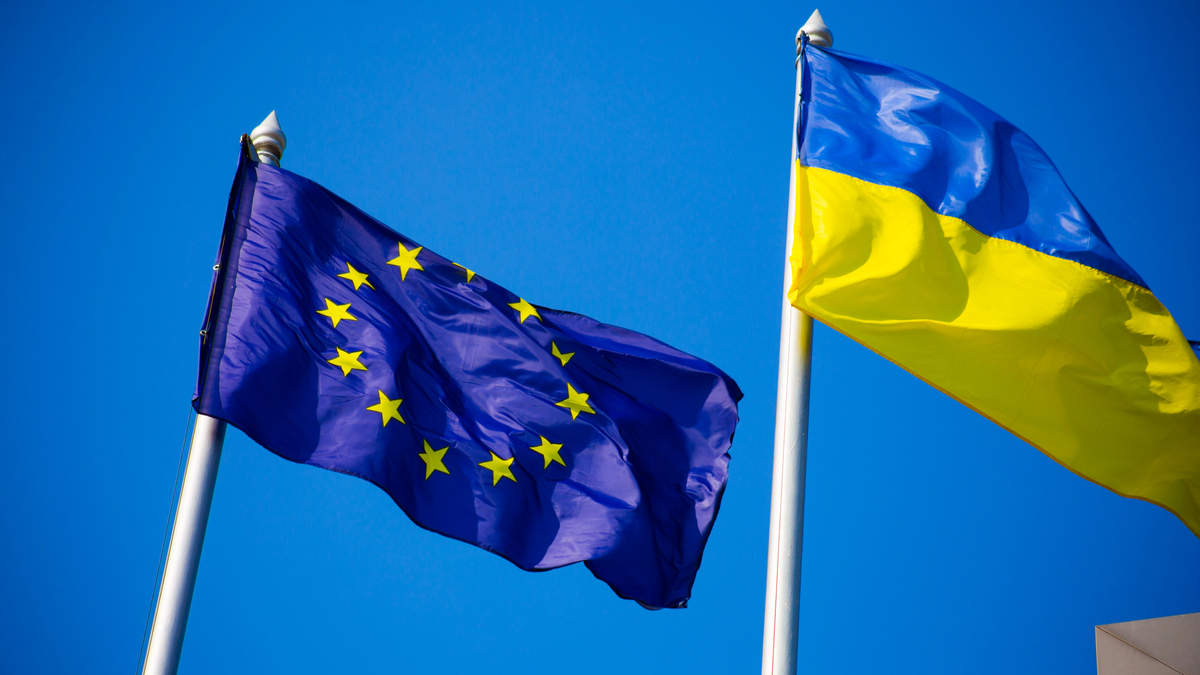
Ukraine is facing an unprecedented situation in its relationship with the European Union, as Brussels has suspended payments totaling 680 million euros due to Kyiv’s failure to meet required reform commitments. According to Radio Liberty, this marks the first time since the launch of the EU’s massive support program that Ukraine risks losing a portion of allocated assistance, raising concerns about the country’s ability to balance wartime governance with the institutional changes demanded by its Western partners.
The suspended funds are part of the fourth and fifth tranches of the Ukraine Facility program, a landmark EU initiative designed to provide Ukraine with substantial financial support while simultaneously preparing the country for potential EU membership. The Ukraine Facility, approved in early 2024, represents one of the most ambitious support packages in European history, totaling 50 billion euros over four years. The program was specifically designed to combine immediate financial assistance with long-term structural reforms that would align Ukrainian institutions with European standards.
The reform requirements tied to EU funding cover a broad spectrum of governance areas, including judicial independence, anti-corruption measures, public administration modernization, and economic liberalization. Ukraine has been working to implement these changes while simultaneously fighting a full-scale war against Russia, creating an extraordinarily challenging environment for institutional transformation. Critics argue that expecting comprehensive reforms during wartime is unrealistic, while EU officials maintain that these conditions are essential for ensuring taxpayer money is spent effectively and that Ukraine develops the institutional capacity necessary for eventual EU membership.
The suspension of payments highlights the delicate balance between solidarity and conditionality that has characterized EU support for Ukraine since Russia’s full-scale invasion in February 2022. European leaders have repeatedly emphasized their unwavering support for Ukrainian sovereignty, but they have also insisted that financial assistance must be accompanied by measurable progress on governance reforms. This approach reflects lessons learned from previous EU enlargement processes, where insufficient attention to institutional development led to long-term challenges in some member states.
Ukraine’s reform agenda has seen significant progress in some areas despite the ongoing conflict. The country has made strides in digitalization of government services, implemented anti-corruption legislation, and taken steps to strengthen judicial oversight mechanisms. However, certain reform milestones have proven more difficult to achieve, particularly those requiring complex legislative processes or institutional restructuring that demands significant time and political capital. The war has inevitably diverted attention and resources from reform efforts, with government officials focused primarily on military operations, civilian protection, and economic survival.
European analysts suggest that the current situation presents both a challenge and an opportunity for Ukraine. While the suspended payments create immediate financial pressure, they also demonstrate that the EU is serious about its reform requirements, which could ultimately strengthen Ukraine’s path toward membership. Some experts argue that maintaining conditionality, even during wartime, sends an important signal about the integrity of the EU accession process and helps ensure that Ukraine develops genuine institutional resilience rather than merely formal compliance with European standards.
The Ukrainian government has responded to the suspension by reaffirming its commitment to the reform agenda and expressing confidence that the outstanding requirements can be met in the coming months. Officials in Kyiv have emphasized that the vast majority of reform milestones have been achieved on schedule and that the suspended funds represent a relatively small portion of the overall Ukraine Facility package. Nevertheless, the situation underscores the ongoing tension between wartime priorities and the comprehensive institutional transformation that EU membership ultimately requires, a challenge that will likely persist as Ukraine continues its European integration journey while defending its territory against Russian aggression.