
Bank of England Unveils Shortlist of Animals That Could Grace New British Banknotes
In a striking departure from centuries of tradition, the Bank of England has announced that future British banknotes may feature wildlife rather than historical figures. The central bank has compiled a shortlist of animals that could potentially replace iconic personalities like Winston Churchill and Jane Austen on the nation’s currency. Among the creatures under consideration are frogs, hedgehogs, and dolphins, marking what would be a revolutionary change in how Britain represents itself through its money.
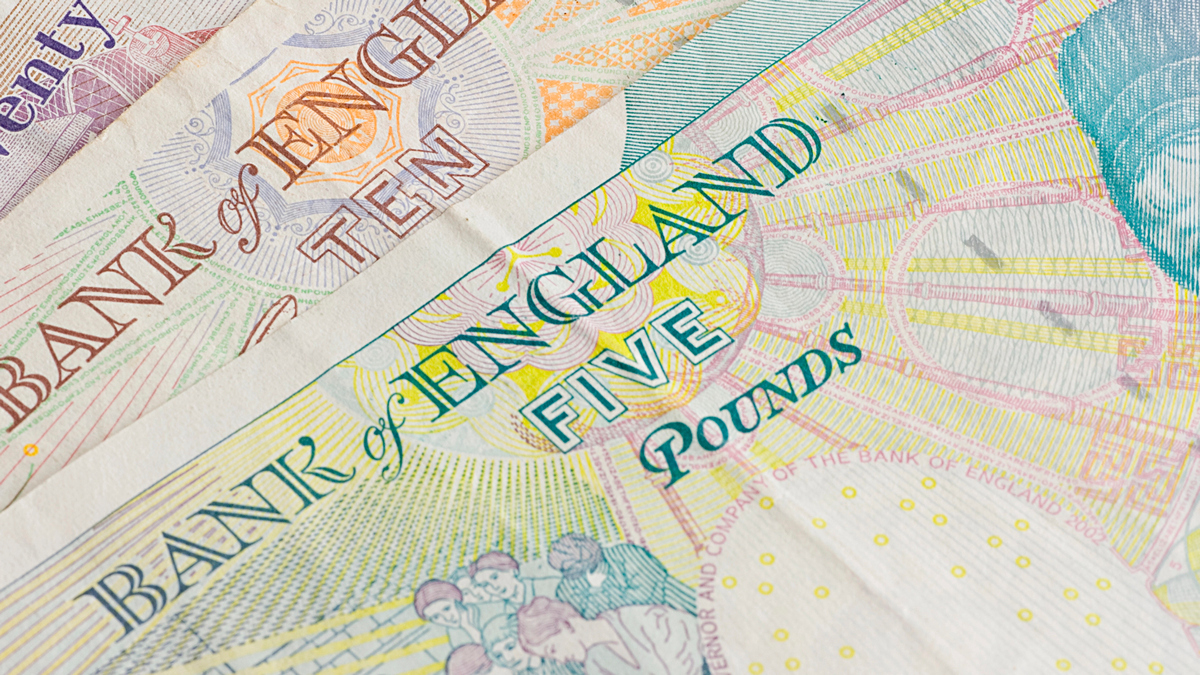
The proposal represents a significant shift in British monetary iconography. For generations, British banknotes have celebrated the nation’s cultural, scientific, and political heritage through portraits of notable figures. The current £5 note features Sir Winston Churchill, the wartime Prime Minister who led Britain through World War II. The £10 note displays Jane Austen, the beloved author whose novels including “Pride and Prejudice” and “Sense and Sensibility” remain literary classics. The £20 note honors the painter J.M.W. Turner, while the £50 note celebrates computing pioneer Alan Turing. Moving away from this tradition would signal a fundamental reimagining of national identity on currency.
The selection of animals under consideration reflects the diverse wildlife found across the British Isles. The European hedgehog, a beloved garden visitor facing population decline in recent decades, has emerged as a strong candidate. Hedgehogs hold a special place in British culture, featured prominently in children’s literature from Beatrix Potter’s Mrs. Tiggy-Winkle to modern conservation campaigns. Similarly, the common frog represents Britain’s wetland ecosystems and has become a symbol of environmental awareness, particularly as amphibian populations face threats from habitat loss and disease. The inclusion of dolphins acknowledges Britain’s rich marine heritage and the coastal waters that have shaped the island nation’s history and economy.
This potential redesign comes at an interesting time for British currency. The transition from paper to polymer banknotes, completed with the new £50 note in 2021, already represented a major modernization effort. Polymer notes are more durable, lasting approximately 2.5 times longer than their paper predecessors, and include advanced security features that make counterfeiting significantly more difficult. Introducing wildlife imagery would build upon this modernization by potentially appealing to younger generations and aligning Britain with growing global environmental consciousness. Several countries worldwide already feature native wildlife on their currency, including Australia with its distinctive polymer notes showcasing the platypus, wombat, and various bird species.
Environmental advocates have cautiously welcomed the proposal, seeing it as an opportunity to raise awareness about biodiversity and conservation challenges facing British wildlife. The hedgehog population in Britain has declined by approximately 50% since the turn of the millennium, dropping from an estimated 30 million in the 1950s to fewer than one million today. Featuring threatened species on currency could serve as a daily reminder of conservation priorities and potentially encourage public support for habitat protection initiatives. However, some traditionalists have expressed concern about abandoning the celebration of human achievement and historical significance that banknote portraits have long provided.
The Bank of England’s decision-making process for banknote design is typically lengthy and consultative. When selecting human figures for currency, the bank has historically sought individuals who have made lasting contributions to British society and whose legacy is largely uncontroversial. This criterion has sometimes proved challenging, as public figures inevitably attract varying opinions. Wildlife imagery could potentially sidestep such debates while still conveying meaningful messages about British identity, natural heritage, and environmental stewardship. The bank has indicated that any final decision will consider public input and broader cultural factors.
Whether frogs, hedgehogs, or dolphins ultimately appear in British wallets remains to be seen, but the proposal has already sparked significant public discussion about what symbols best represent modern Britain. As climate change and biodiversity loss increasingly dominate global conversations, the choice to potentially feature wildlife on currency reflects broader societal shifts in values and priorities. The Bank of England’s announcement suggests that even the most traditional institutions are reconsidering how they communicate national identity in an era of environmental awareness and changing cultural attitudes. Whatever decision emerges from this process, it will undoubtedly influence how both British citizens and the world perceive the United Kingdom for decades to come.