Ukraine’s Anti-Corruption Bureau Raids State Financial Monitoring Service in Fortification Fraud Investigation
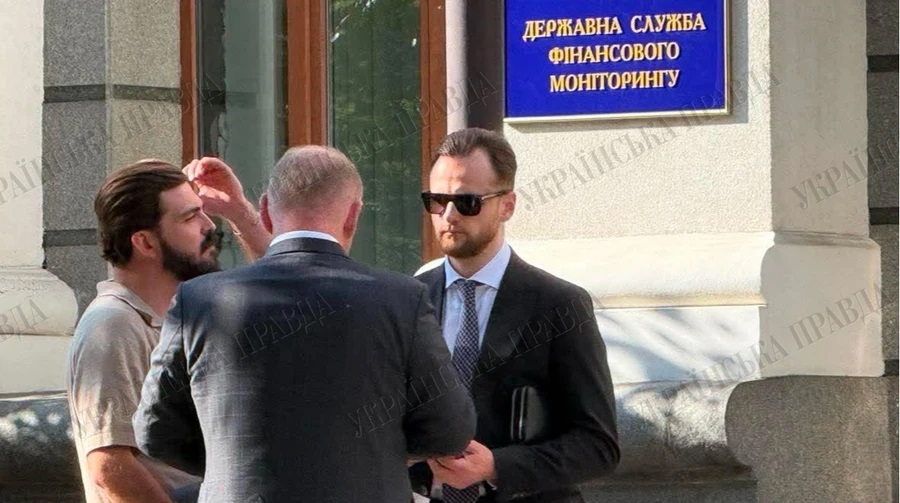
Ukraine’s National Anti-Corruption Bureau (NABU) has conducted searches at the State Financial Monitoring Service (SFMS) in a significant development related to an ongoing investigation into alleged fraud in the construction of defensive fortifications in the Poltava region. The investigative actions are reportedly connected to a case examining potential embezzlement and misappropriation of funds allocated for building military defensive structures during the tenure of former Poltava Regional Military Administration head Filippo Pronin.
The raid on the State Financial Monitoring Service, which serves as Ukraine’s primary financial intelligence unit responsible for combating money laundering and terrorist financing, signals a widening scope of the investigation. NABU investigators are believed to be seeking financial transaction records and intelligence that could help trace the flow of funds allegedly diverted from the fortification construction project. The SFMS typically monitors suspicious financial activities and maintains databases that would be crucial for tracking any potential money laundering schemes connected to defense contracts.
The fortification scandal in Poltava Oblast has become one of the most prominent corruption cases since Russia’s full-scale invasion began in February 2022. Defense fortifications have become critically important along various sections of the front line, and the Ukrainian government has allocated billions of hryvnias for their construction. These defensive structures, which include trenches, anti-tank obstacles, concrete bunkers, and dragon’s teeth barriers, are considered essential for slowing potential Russian advances and protecting Ukrainian military positions. Any misappropriation of funds designated for such critical infrastructure is treated with extreme seriousness by Ukrainian law enforcement.
Filippo Pronin served as the head of the Poltava Regional Military Administration during a critical period of the war. Regional military administrations were granted expanded powers following the declaration of martial law, including significant authority over defense-related contracts and expenditures. The position carries substantial responsibility for organizing regional defense efforts, managing evacuations, and overseeing the construction of protective infrastructure. Questions about how fortification contracts were awarded and whether the constructed defenses met required specifications have been central to the investigation.
Ukraine’s anti-corruption efforts have intensified since the beginning of the full-scale Russian invasion, despite the challenges of fighting a war simultaneously. Western partners, particularly the European Union and the United States, have emphasized the importance of combating corruption as a condition for continued financial and military support. The European Union specifically identified judicial reform and anti-corruption measures as key requirements for Ukraine’s EU membership candidacy, which was granted in June 2022. NABU, established in 2015 as part of post-Maidan reforms, has been at the forefront of these efforts, investigating high-profile cases involving government officials, oligarchs, and military procurement irregularities.
The investigation into fortification construction fraud is not isolated to Poltava. Similar probes have been launched in other regions, including Kharkiv and Odesa oblasts, where questions have been raised about the quality and cost of defensive structures. In some cases, investigators have alleged that contractors delivered substandard materials, failed to complete promised work, or charged inflated prices. These allegations have led to multiple arrests and dismissals of regional officials across Ukraine, demonstrating the government’s stated commitment to accountability even during wartime.
The State Financial Monitoring Service’s involvement in the case highlights the complex financial networks that investigators believe may have been used to obscure the movement of allegedly stolen funds. Modern corruption schemes often involve multiple layers of shell companies, foreign accounts, and cryptocurrency transactions to hide illicit proceeds. The SFMS, with its access to financial intelligence from banks and other institutions, plays a crucial role in unraveling such schemes. The fact that NABU is conducting searches at the agency suggests investigators may be looking for evidence of how funds were potentially laundered or whether proper suspicious activity reports were filed and acted upon.
As the investigation continues, the case serves as a test of Ukraine’s ability to maintain rule of law and combat internal corruption while defending against external aggression. The outcome will be closely watched by Ukraine’s international partners, who have provided tens of billions of dollars in aid and want assurance that funds are being used appropriately. For Ukrainian citizens, the case represents both the persistent challenge of corruption in public institutions and the hope that accountability mechanisms are functioning even under the most difficult circumstances.